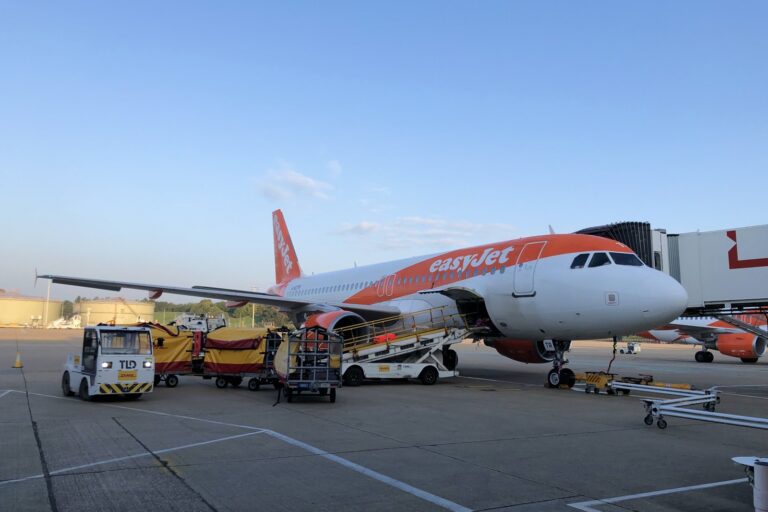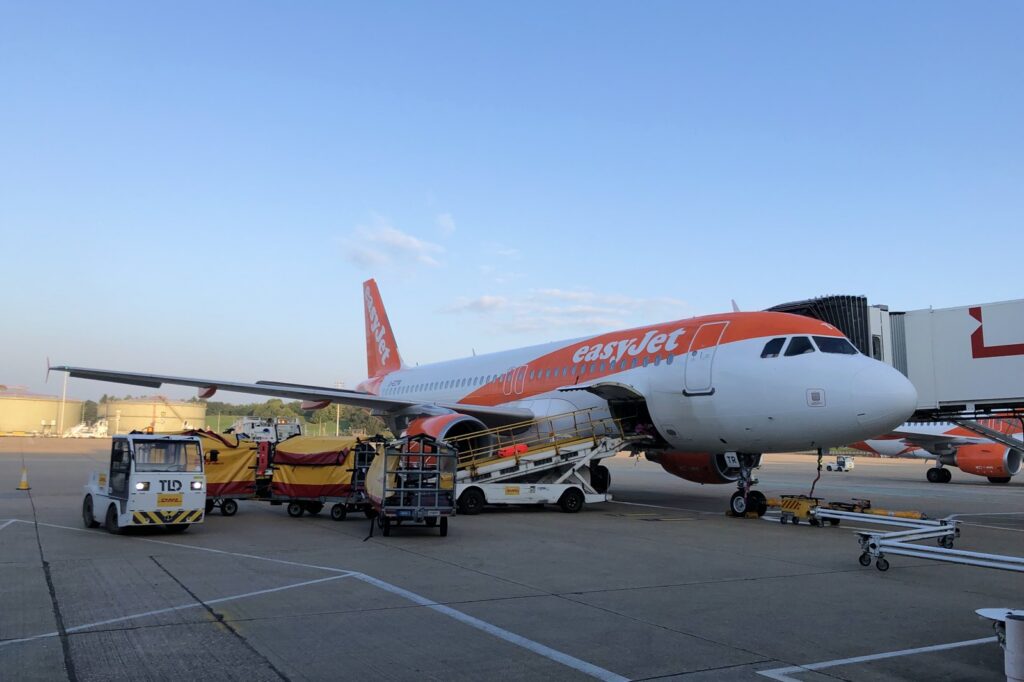
LUTON, November 14, 2026 — easyJet shareholders voted on November 11 to accept Apollo Global Management’s £5.7 billion takeover offer, clearing the main hurdle for a deal that will load the low-cost carrier with acquisition debt and end its 25-year run on the London Stock Exchange. The transaction, expected to close by the end of March 2027, transfers control of an airline carrying nearly 70 million passengers a year to a US private equity firm whose standard playbook relies on leverage to juice returns.
The Mechanics of the Deal
Apollo’s offer values easyJet shares at £7.15 each, an 81% premium to the pre-speculation price. The equity valuation sits at roughly £5.7 billion ($7.6 billion), but that figure covers only the issued and to-be-issued share capital; it does not include the debt Apollo will place on the company’s balance sheet to finance the purchase. Private equity buyouts typically load target companies with debt to fund the acquisition, and the interest on that debt must be serviced from operating cash flow. At the court meeting, 97.07% of scheme shares voted backed the transaction. A separate general meeting resolution passed with 96.67% of votes cast. Founder Sir Stelios Haji-Ioannou and his family, holding 15.3% of the airline, elected to roll their equity into unlisted shares subject to a three-year lockup rather than take the cash.
Why the Debt Burden Changes the Model
easyJet’s model has historically occupied a middle market: cheaper than legacy carriers, more reliable than the ultra-low-cost alternative. That positioning relied on disciplined cost control and steady fleet investment. Debt servicing costs can pressure operational spending on maintenance, fleet renewal, and crew. When a leveraged owner needs to extract cash to pay down acquisition loans, the margin for operational error shrinks. The catch is that the airline enters this ownership change at a moment when jet fuel costs are soaring. Wizz Air reported a 67% profit drop in the first half of the year despite higher sales, and Ryanair chief Michael O’Leary has warned of the biggest fare increases in European history as hedging contracts expire. Apollo has promised to stick with existing plans and grow the business, but the mechanics here leave little room for the cost shocks already hitting the sector.
Precedent in European Aviation
European aviation offers a track record of private equity ownership. The outcomes have varied, but the structural incentive is consistent: the fund’s return depends on a successful exit, usually within five to seven years. That timeline can compress investment horizons. Fleet modernization and larger aircraft — priorities Apollo has flagged — require capital that competes with debt service. Ancillary revenue and loyalty programs, also cited as focus areas, extract more yield per passenger but do not lower the cost base. On closer reading, the risk is not that Apollo intends to run the airline into the ground, but that the financial architecture of a leveraged buyout forces trade-offs the public market did not.
Regulatory Constraints on Ownership
EU ownership and control rules cap non-EU voting rights at 49.9%. Apollo’s funds will hold no more than that threshold in the new parent company to preserve easyJet’s operating licences in the UK, Austria, and Switzerland. At the general meeting, easyJet suspended voting rights on 233.9 million shares held by non-EU investors to comply with those rules; EU investors held 35.07% of shares at the time. The Irish Aviation Authority’s guidance makes clear that a shareholding percentage alone does not settle who controls an airline’s decisions. Apollo has committed to retaining the UK headquarters and the three air operator certificates, but effective control — the ability to direct strategy, capital allocation, and cost structure — will sit with the private equity sponsor.
African Expansion Under New Ownership
The deal includes easyJet’s first permanent African base, opened in Marrakech in April 2026 with three aircraft. The base supports 58 Moroccan routes and a planned four million seats in its first year. Morocco is described as the airline’s fastest-growing market outside Europe, with additional routes to Egypt, Tunisia, and Cape Verde. That growth trajectory requires sustained fleet allocation and marketing spend. Under a leveraged structure, capital intensive expansion competes directly with debt service. If cash flow tightens, the newest, least mature routes are often the first to face capacity cuts.
What Comes Next
The scheme of arrangement still requires court sanction and the satisfaction of remaining regulatory conditions. easyJet continues to expect the scheme to become effective before the end of the first quarter of 2027. Cancellation of the London Stock Exchange listing follows effectiveness.
Sources
- Passengers will pay the price for private equity’s easyJet gamble
- EasyJet
- EasyJet shareholders approve US giant Apollo’s $7.6 billion takeover, putting its first African base and routes across Morocco, Egypt, Tunisia and Cape Verde on path to new ownership
- easyJet Shareholders Approve £5.7bn Apollo Takeover
- EasyJet flight contacted ground control about intoxicated passenger with dinner knife on approach to Milan
- easyJet shareholders approve Apollo’s £5.7 billion takeover bid
Photo: BOSSHEP (CC0)