
WASHINGTON, September 12 — The story of booking a flight between the United States and Europe with points and miles begins with a number that stops most travelers cold: economy round-trip airfare on those routes can regularly exceed $1,500 during peak travel season. That is where loyalty programs come in.
A guide published this week compares seven of them — Air Canada Aeroplan, Air France-KLM Flying Blue, American Airlines AAdvantage, ANA Mileage Club, Avianca Lifemiles, Korean Air SKYPASS and Virgin Atlantic Flying Club — on pricing, partner coverage, surcharge policies and earning options. At its heart, the comparison comes down to two questions: how many miles a seat costs, and how much cash gets added on top.
Where Aeroplan fits
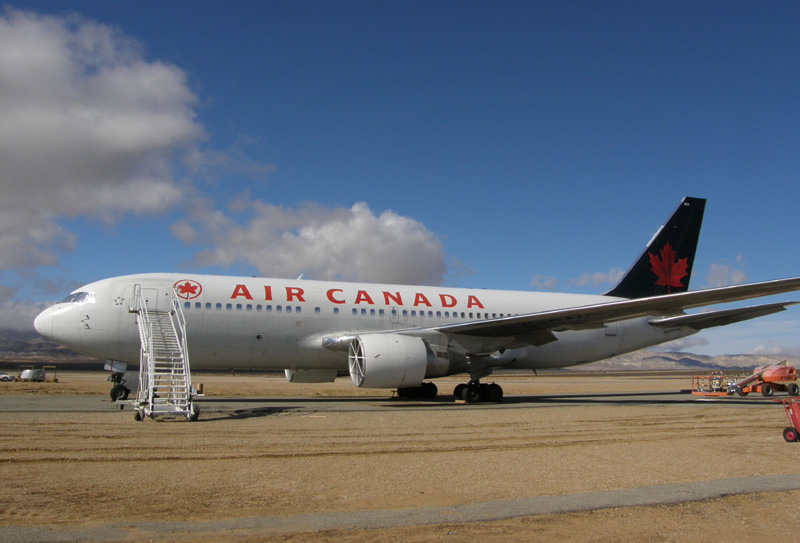
Air Canada Aeroplan sits in the Star Alliance, and its award pricing blends distance-based and region-based methods. For partner airline redemptions, the cost tracks flight distance. The shortest U.S.-Europe routes, up to 4,000 miles, start at 35,000 miles in economy and 60,000 miles in business one-way.
Longer routes of 8,001 miles or more climb to as much as 70,000 miles in economy and 110,000 miles in business. Two features stand out.
Aeroplan does not levy fuel surcharges on partner airline redemptions, and it allows stopovers for 5,000 additional points. Its transfer partners are American Express, Bilt, Capital One, Chase and Rove. Avianca Lifemiles is the only other program in the guide that adds no fuel surcharges on partner redemptions.
The surcharge divide
Flying Blue and Korean Air SKYPASS pass along carrier-imposed surcharges. With American AAdvantage and Virgin Atlantic Flying Club, whether a surcharge appears depends on the airline operating the flight. Flying Blue runs Promo Rewards, periodic discounts of 25% to 50% off standard award pricing on a rotating monthly selection of routes.
SKYPASS has no transferable currency partners at all, which means miles can only be earned through flights or co-branded credit cards. On one-way award costs, the guide lists economy and business pricing respectively.
Flying Blue comes in at 25,000 and 60,000. AAdvantage ranges from 22,500 to 30,000 in economy and 57,500 in business. ANA Mileage Club is 27,500 and 50,000.
Lifemiles is 35,000 and 63,000 to 80,000. SKYPASS is 25,000 and 40,000.
Virgin Atlantic Flying Club starts from 6,000 and from 29,000. Transfer partners vary widely. Flying Blue works with American Express, Bilt, Brex, Capital One, Chase, Citi, Rove and Wells Fargo.
Lifemiles works with American Express, Bilt, Brex, Capital One, Citi and Wells Fargo. Virgin Atlantic Flying Club works with American Express, Bilt, Capital One, Chase, Citi and Wells Fargo. AAdvantage lists Citi, and ANA lists American Express.
Routes between the U.S. and Europe are operated by carriers across multiple airline alliances, so the program a traveler holds matters less than the airline actually flying the route. The guide advises checking current ETIAS authorization requirements and Schengen Area entry rules before booking.
The article was contributed to by Ehsan Haque, a content contributor with 298 published articles who has visited 104 countries and 24 U.S. states, and edited by Ryan Smith, director of news, with 1,280 published articles and 1,897 edited articles, who has visited 197 countries and all 50 U.S. states.
The site discloses that many credit card offers shown are from companies from which it may receive financial compensation when a customer clicks a link, when an application is approved, or when an account is opened, and that this compensation may impact how and where products appear. For travelers weighing a redemption this autumn, the practical next step is to price the same route through more than one program and compare the cash component, not just the miles.




