
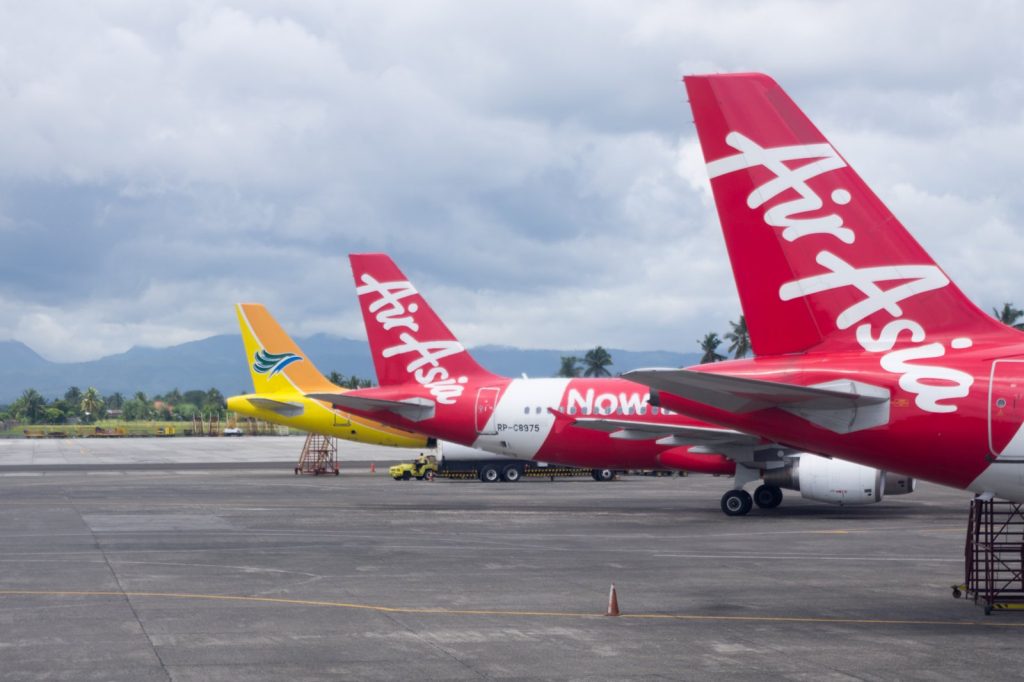
The Association of Asia Pacific Airlines released figures on Thursday showing that, by the end of February 2020, international passenger demand across the region had dropped 43.9 percent. The steep decline was driven by the rapid spread of the novel coronavirus and the swift introduction of travel bans worldwide, which forced many carriers to curtail or suspend all international services.
According to the association’s data, airlines in the Asia‑Pacific carried just 17 million international passengers in February, a year‑on‑year reduction that translated into a 21 percent fall in total international traffic for the first two months of the year, leaving 50 million passengers on board Asian carriers during that period. Revenue passenger kilometres (RPK) fell 34.8 percent, while the available seat capacity contracted by 20.6 percent, underscoring the scale of the operational hit. Director‑general Andrew Herdman said the situation continued to deteriorate sharply after February, adding that “much more needs to be done” despite some governments promptly offering financial assistance.
In response to the crisis, Asian airlines have begun coordinating with national governments and private‑sector partners to repatriate stranded nationals to their home countries. Herdman expressed gratitude for the support received but warned that the challenges facing airlines remain “difficult.” While passenger traffic collapsed, demand for air cargo showed a contrasting trend.
The region’s freighter fleet, which accounts for more than one‑third of global air cargo capacity, recorded a rise in the international cargo load factor to 60.3 percent in February – an increase of 6.5 percentage points. The surge reflects heightened shipments of intermediate goods, food supplies and pharmaceutical products needed for pandemic response efforts. Herdman highlighted that “demand for air cargo remains relatively unaffected,” and that airlines are working to ensure the safe and efficient movement of critical relief supplies, including medical equipment and food, around the world.
The sharp fall in passenger traffic carries broader implications for the Asia‑Pacific economy, where air travel underpins trade and tourism. The Association of Asia Pacific Airlines is actively engaging with governments and other stakeholders to mitigate the impact on the airline sector and to support the region’s economic recovery.
Looking ahead, the association’s priority is to maintain safe, reliable transport for both people and goods while helping the airline industry regain stability. As the pandemic evolves, the Association of Asia Pacific Airlines is expected to continue playing a central role in shaping the regional response and facilitating the eventual rebound of air travel and tourism in Asia.




