
The global market for alternative accommodation was estimated at US$177.1 Billion in 2025. A new industry report projects it will reach US$532.6 Billion by 2032, a compound annual growth rate of 17% from 2025 to 2032.
The forecast comes from the “Alternative Accommodation – Global Strategic Business Report,” which ResearchAndMarkets.com added to its offering on June 22, 2026.
Travelers want something local
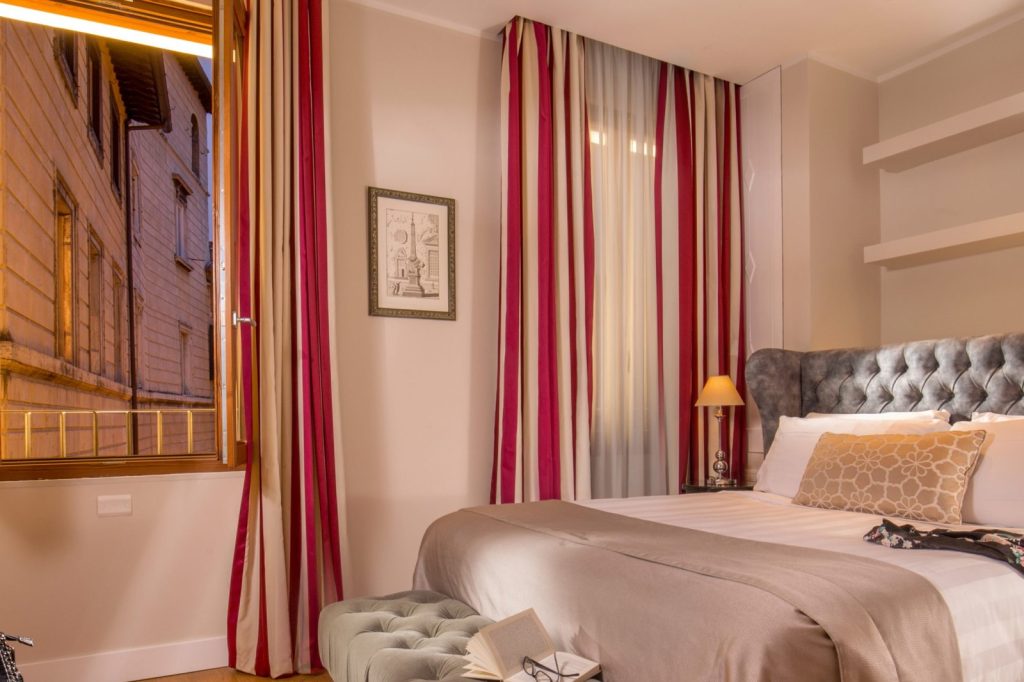
The report names changing traveler expectations, property technology and heavier investment in experiential travel as the main forces behind that growth. The pull toward authentic, localized stays is described as one of the strongest. Millennials and Gen Z in particular choose places that reflect local culture, heritage and design, and that has lifted demand for homestays, boutique rentals and off-the-beaten-path lodging.
Platforms and AI
Online travel agencies and booking platforms have sped things along. Airbnb, Vrbo and Plum Guide, the report says, let property owners earn money from their spaces while offering travelers a wide choice of places to stay. AI-driven recommendations and highly personalized booking, it adds, make unusual properties easier to find and have raised consumer interest.
Hybrid hotels and apartments
Hybrid models are another driver. Vacation rentals, boutique hotels and co-living spaces are being folded into one flexible product. The report names Zoku, Lyric and Locke Living as brands working in this area, offering hotel-style amenities inside apartment-style rooms for short-term and extended-stay guests alike.
Demand for spaces where guests can move between work, leisure and community activity has drawn investment into these formats.
Green stays
Sustainability is the fourth strand. Travelers are looking for low-impact places to sleep, according to the report, which points to more eco-friendly cabins, sustainable retreats and regenerative tourism projects. Carbon-offset programs, green certifications and ethical tourism initiatives are nudging hospitality toward more responsible options.
The report expects remote work, flexible living and sustainable travel to keep pushing the market upward, and it calls the growth in the coming years “exponential.” It also states that alternative accommodation will remain a dominant force in the future of hospitality.




