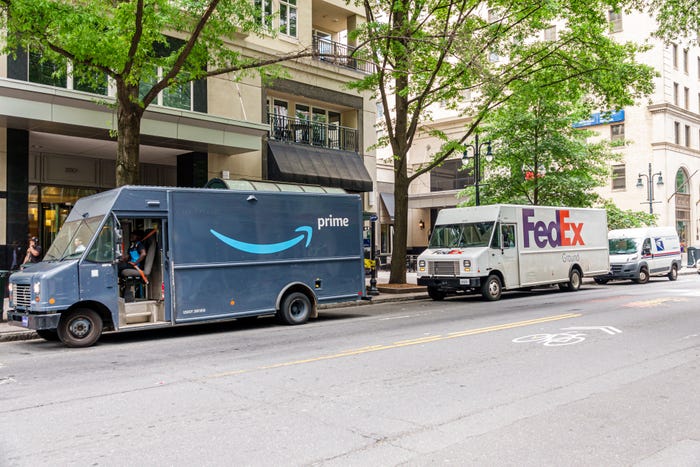
Effective January 14, 2020, Amazon announced that it is ending the suspension that barred third‑party sellers from using FedEx Ground and FedEx Home services. The restriction, which began on December 16, 2019, was imposed during the height of the holiday shopping season after Amazon said FedEx failed to meet its delivery performance standards. During the suspension, sellers could still rely on FedEx Express for faster shipments, but the loss of the ground and home options forced many to seek alternative carriers, often at higher cost and with longer delivery times.
Amazon’s decision to lift the ban follows FedEx’s reported compliance with the e‑commerce giant’s delivery requirements, though the company did not disclose the specific improvements that satisfied Amazon. “This is good news for our mutual customers who have come to rely on the FedEx Ground offering,” an Amazon spokesperson said, emphasizing the benefit to sellers and shoppers alike.
The reinstatement allows participants in the Seller Fulfilled Prime program to once again ship directly to customers while adhering to Amazon’s delivery guarantees.
Market Reaction and FedEx Outlook
Following the announcement, FedEx’s stock rose as much as 3 % on the day the ban was lifted, reflecting investor optimism about the restored partnership. The ban had removed a significant revenue stream for the logistics firm, and the market response suggested confidence that the company would regain a foothold in Amazon’s extensive seller network. “We look forward to working with Seller Fulfilled Prime merchants and providing outstanding service,” a FedEx spokesperson added, reaffirming the carrier’s commitment to supporting Amazon’s third‑party sellers.
Background to the Dispute
The tension between Amazon and FedEx predates the December ban. In August 2019, FedEx announced it would not renew its contract with Amazon for express delivery services, citing a strategic shift toward the broader e‑commerce market and viewing Amazon as a competitor rather than a partner.
In response, Amazon expanded its own logistics capabilities, launching Amazon Shipping in 2018 and increasing its fleet of vans and aircraft to handle a growing share of deliveries. Analysts noted that the timing of the ground‑service suspension aligned with Amazon’s broader effort to reduce dependence on external carriers. While Amazon officially attributed the ban to performance issues, the move was also seen as part of a larger strategy to strengthen its internal delivery network.
Impact on Sellers and Customers
Third‑party sellers who depended on FedEx Ground for cost‑effective shipping faced disruption during the holiday peak, reporting both delays and higher shipping expenses. The restoration of ground services provides these merchants with an additional, familiar shipping option, potentially lowering costs and improving delivery speed for end customers. The decision also signals a temporary easing of the logistics rivalry between the two companies. Both Amazon and FedEx have strong incentives to cooperate: Amazon requires reliable carriers to manage its massive order volume, while FedEx seeks access to Amazon’s extensive seller ecosystem.
Looking Ahead
Although the ban is now lifted, the underlying competition between Amazon’s expanding delivery infrastructure and traditional logistics providers such as FedEx remains. The reinstatement of FedEx Ground services represents a step back from a possible full break in the relationship, but the long‑term dynamics between the two firms continue to evolve. For now, third‑party sellers regain a key shipping channel, and customers benefit from a broader array of delivery choices during a critical sales period.