American distillers have lost 73 per cent of their exports to Canada. The market used to be worth $200 million (U.S.) a year. Now it is $60 million.
Chris Swonger, CEO of the Distilled Spirits Council of the United States, gave those numbers. He said the 18-month boycott of U.S. products by most provincial liquor monopolies has cost American distillers hundreds of millions of dollars in sales. Alberta and Saskatchewan still import American alcohol. Over the 18 months, he put the hit at about $291 million (Canadian).
A deal that vanished overnight
In mid-August Swonger thought a trade deal with Canada was close. He expected American liquor, wine and beer to be back on shelves at the LCBO and other provincial monopolies soon. Then on the night of Aug. 21, Prime Minister Mark Carney pulled Canadian negotiators out of last-minute talks, and the tentative deal was gone.
“They’re just devastated,” Swonger said. “We’d built up excitement. We were hearing provinces were getting ready to stock our products again.” The industry learned the talks were off from Carney’s social media post. “We found out just like everybody else,” he said.
The LCBO had already begun moving U.S. products from its warehouses to stores. Industry sources said it started shipping them back this week. The LCBO says it typically sells just under $1 billion worth of American products a year.
Wine takes a bigger hit
California wineries lost more. Figures from the state’s Wine Institute show a $522 million (U.S.) drop in exports to Canada over the same stretch. CEO Steve Gross called it “one of the most significant market disruptions for the U.S. wine industry in generations” and urged both governments to keep negotiating “without further delay.”
Bourbon slows down
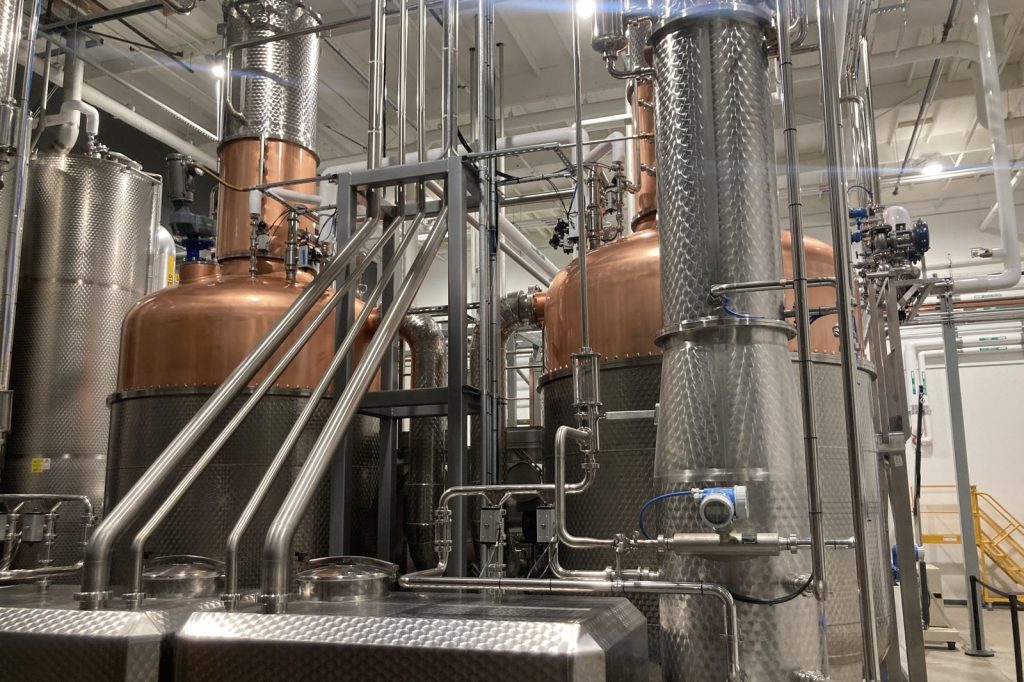
The boycott landed on an industry already struggling. Bourbon author and educator Fred Minnick said younger drinkers were consuming less before the trade war began. Some distilleries have scaled back production and some barrel-making plants have closed.
Late last year Jim Beam said it would halt production at its flagship distillery in Clermont, Ky., for all of 2026. Brown-Forman, which makes Jack Daniel’s, permanently closed its Louisville barrel-making facility last year. A major Alabama barrel plant it once owned closes for good in mid-September.
“The Canadian bans have absolutely impacted the decisions made to slow down production,” Minnick said. Distillers must forecast sales four to eight years out. “This has been very bad for Kentucky bourbon producers. And it has definitely cost some people their jobs.”
Distributors are hurting too. Republic National Distributing Company filed for Chapter 11 in July, owing unsecured creditors, including big liquor companies, more than $400 million (U.S.).
Minnick expects most U.S. distillers to get Canadian shelf space back one day and predicts bourbon sales will bounce back fairly fast. “Canada is a great market for American whiskey, and I anticipate very strong sales when it opens up again,” he said. Swonger was less sure that goodwill would simply return. “It will take a lot of work…to reconnect.”