
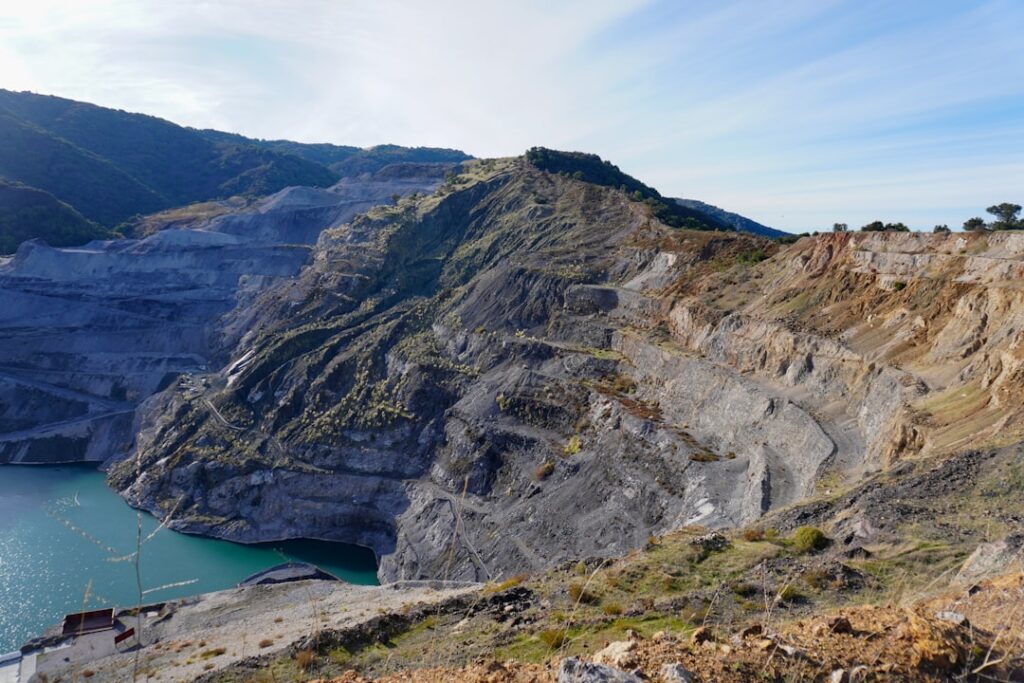
The Democratic Republic of Congo produces more than half of the world’s cobalt, and the metal sits inside the batteries of millions of phones, laptops and electric cars. A lawsuit now before a US court says some of that supply is dug by children.
International Rights Advocates, a US-based human rights non-profit, filed the complaint on Sunday, 15 December 2019, in US District Court in Washington, DC. It speaks for 14 Congolese families and names Tesla, Apple, Alphabet, Dell Technologies and Microsoft. Al Jazeera described it as the first time tech companies have faced legal action together over where their cobalt comes from.
What the families allege
Six of the 14 children were killed in tunnel collapses, the complaint says. The rest suffered life-altering injuries, including paralysis. Images filed with the court show children with disfigured or missing limbs.
The lawsuit says some of the children were only six years old and left school because of extreme poverty. Pay could drop as low as $1.50 a day, for six days a week, at mines owned by Glencore, the British and Swiss mining company that has been accused of using child labour in the past. LifeGate, which also covered the case, cited the filing’s own wording: the children dig for cobalt rocks “with primitive tools” in underground tunnels, with no safety equipment of any kind.
One plaintiff, John Doe 1, started in the mines at nine. Earlier in 2019, according to the suit, he was working as a human mule for Kamoto Copper Company, carrying bags of cobalt rocks for 75 cents a day, when he fell into a tunnel. Workers dragged him out. He lay at the site until his parents heard and came. He is paralysed from the chest down. Another claimant says they worked at mines owned by Zhejiang Huayou Cobalt, a major Chinese firm that the suit says supplies Apple, Dell and Microsoft and probably the others.
“These companies, the richest companies in the world, these fancy gadget-making companies, have allowed children to be maimed and killed to get their cheap cobalt,” lawyer Terrence Collingsworth told the Thomson Reuters Foundation. The complaint argues the five have the ability to overhaul their cobalt supply chains and make them safer.
Responses and the wider market
Dell told Al Jazeera it has “never knowingly sourced operations” using child labour and has opened an investigation. Glencore said its cobalt production in the DRC is a by-product of industrial copper output and that its operations there buy and process no artisanally mined ore. Tesla, Apple, Google and Microsoft had not replied when Al Jazeera published.
Demand is only climbing. A 2018 European Commission study expects global demand for cobalt to grow by seven to 13 percent a year over the next decade. About 20 per cent of the DRC’s cobalt is dug by hand in artisanal and small-scale mining, according to a report LifeGate cited, and the rest comes from industrial mines, many owned by Chinese firms.
Industry has begun moving. Elon Musk tweeted that Tesla’s Model 3 batteries use under 3 per cent cobalt and that the next generation “will use none.” Ford, IBM, LG Chem and Huayou Cobalt have launched a blockchain project, overseen by sourcing group RCS Global, to trace cobalt from the DRC. The Congolese government says it intends to end child labour in mining by 2025.
Siddharth Kara, a modern slavery researcher and expert witness in the case, said he had “never encountered or documented a more severe asymmetry in the allocation of income between the top of the supply chain and the bottom.”
Sources
- US tech giants sued over DRC cobalt mine child labour deaths
- Tech giants sued over child labour, deaths and injuries in cobalt mining in the DRC – LifeGate




