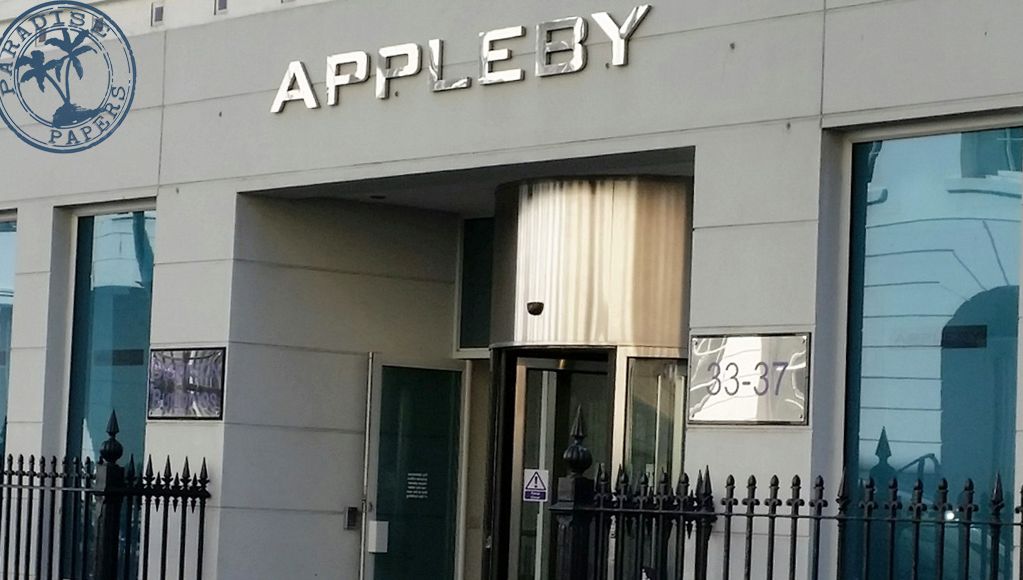
More than 13.4 million confidential documents. That was the haul when journalists started working through the Paradise Papers in 2017, and the files came mainly from one place: Appleby, a law firm based in Bermuda.
The rest came from the corporate services provider Asiaciti Trust and from company registries in 19 separate tax jurisdictions. The International Consortium of Investigative Journalists (ICIJ) ran the investigation with Germany’s Süddeutsche Zeitung and more than 95 media partners across over 67 countries. In Australia, ABC’s Four Corners led the local coverage. The first stories appeared in November 2017, and regulators, parliaments and tax authorities on several continents responded almost at once.
A respectable source
What set this leak apart was the firm behind it. Earlier exposés had focused on obscure or legally dubious operators. Appleby was widely seen as one of the most reputable names in offshore law.
So the documents showed no shadowy criminal underworld. They showed an ordinary, sophisticated and largely legal industry going about its business. The ICIJ’s work made plain how normal these arrangements had become among the world’s most powerful institutions.
Most of what surfaced was tax avoidance, which stays inside the law, rather than evasion, which hides income from the tax authorities. That legal status was the sting.
Names in the files
More than 120 politicians and world leaders turned up. One link drew special attention: documents tying Wilbur Ross, then US Commerce Secretary, to offshore business interests connected to associates of Russian President Vladimir Putin. Members of the British Royal Family also appeared, with investments linked to offshore funds. Those arrangements were reported to be legal.
More than 100 multinational corporations featured in the coverage, among them Apple, Nike and Allergan. Apple had faced heavy pressure over its Irish tax arrangements. The Paradise Papers showed it had afterward moved key intellectual property holdings to Jersey, a British Crown dependency with no corporate income tax.
Smaller stories were just as telling. Structures based on the Isle of Man were used to own private jets and luxury yachts, cutting VAT and import duty bills. And one handwritten agreement, routed through an offshore tax haven, was meant to commercialise the posthumous rights of Michael Hutchence, the INXS singer, including his image and music catalogue.
Mining and royalties
In Australia, the tax office was reported to be examining more than a dozen multinationals over offshore royalty and profit-shifting arrangements. The method, known as royalty stripping, has an Australian mine pay licensing fees to an offshore entity that owns the mining technology. The fees count as deductible expenses at home, while the profits pile up where little or no tax is charged. Tax authorities had long suspected such schemes were widespread in the resources sector but struggled to build cases, since offshore structures are so opaque.
Against the Panama Papers
At publication, the Paradise Papers overtook the Panama Papers as the largest offshore leak on record. The Panama files came from Mossack Fonseca and held more outright tax evasion and criminal activity. The Appleby material leaned toward legal but aggressive avoidance by big companies and senior political figures. As The Guardian’s analysis noted at the time, the documents showed how routine such arrangements had become.
Official reaction followed. Australia’s tax office, Britain’s HMRC and tax authorities across the European Union each signalled renewed scrutiny. The European Parliament used the momentum to speed up talks on anti-tax avoidance directives and mandatory beneficial ownership registries, and the OECD’s Base Erosion and Profit Shifting framework gained fresh political energy.