
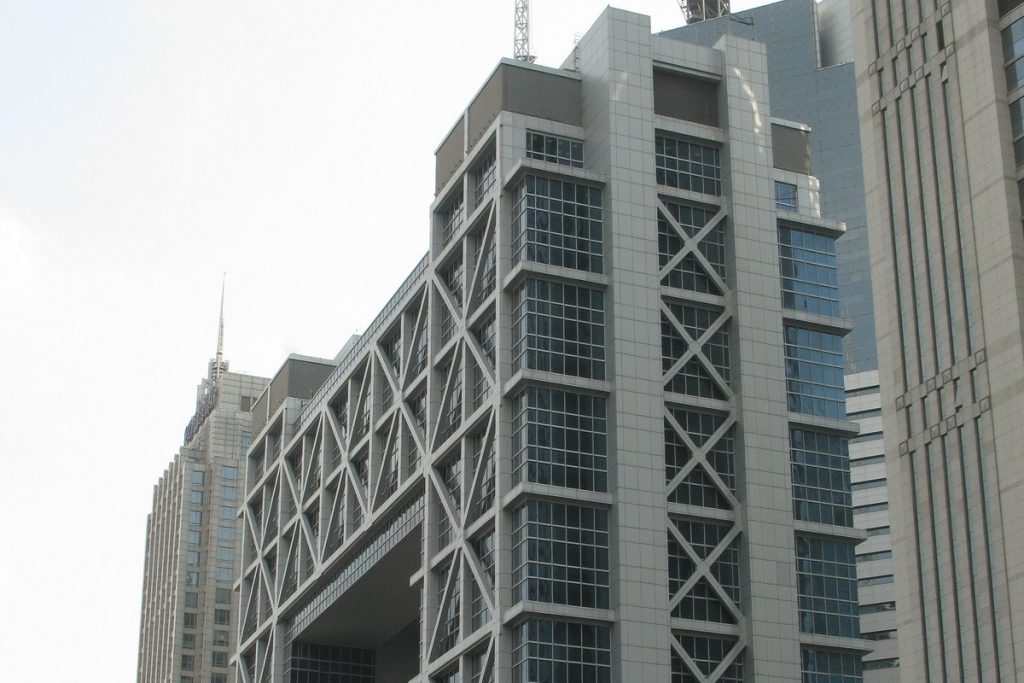
Wednesday’s trading in Asia painted a picture of stark contrasts. While the Shanghai Composite inched up, the South Korean Kospi was almost flat, Japan’s Nikkei slipped, and Hong Kong’s Hang Seng suffered a more pronounced decline. The common focus for market participants was the upcoming U.S. jobs report, due Friday, which many see as the decisive clue on whether the Federal Reserve will continue raising rates or finally pause its tightening cycle.
In Shanghai, the Composite Index rose 0.1 percent to 3,189.09, a modest gain that barely moved the needle. Seoul’s Kospi added less than a tenth of a percent, ending at 2,417.25, while Tokyo’s Nikkei 225 fell 0.2 percent to 27,604.37.
Hong Kong’s Hang Seng was the most affected, dropping 0.8 percent to 19,443.49, reflecting heightened sensitivity to expectations around U.S. monetary policy. Australia’s S&P/ASX 200 slipped marginally, closing at 6,844.80, whereas markets in New Zealand and Jakarta managed modest advances. Singapore, meanwhile, posted a small decline.
These divergent moves underscore that local fundamentals still play a role, yet the overarching narrative is driven by the anticipation of U.S. labor market data. The employment report, the last major economic indicator before the Fed’s next policy meeting, will be scrutinized for clues about the central bank’s future path.
A robust hiring figure could signal that the Fed will keep tightening, while a weaker count may suggest the economy is cooling enough to warrant a pause. Wall Street offered a brief lift on Tuesday, with the S&P 500 gaining 0.3 percent to finish at 3,966.85, snapping a four‑day losing streak. However, the rally was tentative; the broader U.S. market has been under pressure as investors reassess how long high rates might persist. Energy markets added another layer of uncertainty.
Crude oil prices rose by more than $1.50 per barrel, driven by geopolitical concerns and supply‑side tightness. Higher oil costs feed into consumer price inflation, reinforcing the Fed’s case for maintaining an elevated rate stance and making the forthcoming jobs numbers even more pivotal.
The pending report will reveal both the number of jobs added in the most recent month and the pace of wage growth. Faster wage gains can translate into higher consumer prices, as businesses pass increased labor costs onto buyers, keeping inflation elevated. The Federal Reserve has repeatedly indicated that it wants a cooling labor market before easing policy, and the resilience of U.S. employment to date has complicated that outlook.
For Asian investors, the split performance reflects a market caught between two competing views: one that the economy can absorb higher rates, and another that continued tightening could destabilise growth. Neither perspective has yet prevailed, and the Friday data will likely sharpen expectations, though it may not settle the debate entirely.
In the meantime, traders remain vigilant, watching indices move in opposite directions while awaiting the U.S. employment figures that could shape the Fed’s next move. The decision is still pending, and market participants are poised to react once the numbers are released.




