
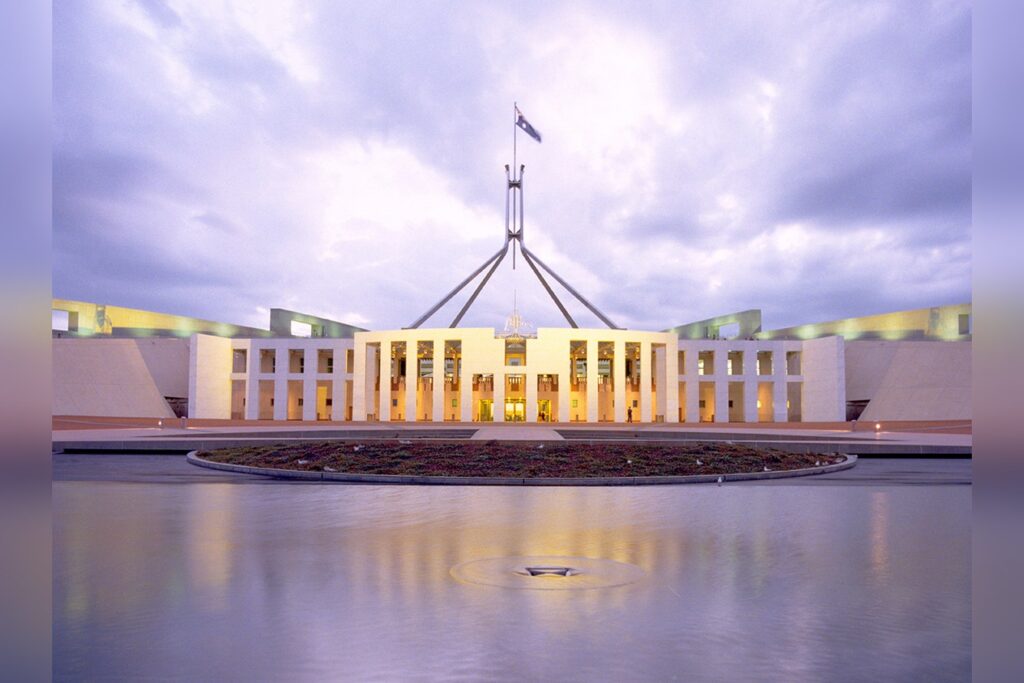
For resource exporters in Central Asia, the difference between Australia and New Zealand shows up in hard numbers. When Australia’s Parliamentary Budget Office costs a party pledge, bond markets react. Currency risk shifts.
Kazakh and Uzbek buyers of Australian commodities watch those signals closely. New Zealand offers no such clarity.
The APBO has operated since its creation. Director Sam Reinhardt runs a year-round operation. It does not only crank numbers during election campaigns.
It costs policy proposals for individual parliamentarians and committees. That means budget realities hit before laws pass, not after.
Reinhardt told the Herald the office provides independent analysis of what party pledges would actually mean for the national budget. New Zealand enters an election cycle with no equivalent body. Political parties there rely on Treasury costings and internal modelling.
Treasury serves the government of the day. That is a structural gap. The APBO model serves all sides equally.
Reinhardt’s office answers requests from any party or independent MP, not just the ruling coalition. The stakes run beyond domestic politics.
When a government’s promises get independent costing, credit rating agencies get clearer signals. For resource exporters in Kazakhstan and Uzbekistan, stable fiscal policy in a major trading partner reduces demand risk. Currency volatility drops.
Trade flows become more predictable. New Zealand has not followed Australia’s lead.
The Herald interviewed Reinhardt to explore why. The gap carries real economic stakes for markets and trade partners, including Central Asian commodity buyers who watch Pacific fiscal policy closely. The APBO’s work matters most during election cycles.
Parties make promises. Voters need to know what those promises cost. Without independent costing, bond markets price in uncertainty.
Spreads widen. Investors hedge.
That uncertainty ripples outward. A major trading partner with volatile fiscal signals creates headaches for exporters planning next year’s production. Australia built its budget watchdog years ago.
New Zealand has not. The result is asymmetric information.
Australian voters get independent analysis of promises before they vote. New Zealand voters get Treasury costings that serve the government of the day. That difference matters for markets watching both countries.
Central Asian commodity buyers sit at the end of this chain. They buy Australian resources. They watch Pacific fiscal policy.
When Australia’s budget office produces clear numbers, those buyers can plan. When New Zealand offers murky signals, they cannot.
The gap costs real money over time. Reinhardt’s office does not just serve election campaigns. It operates continuously.
That means policy proposals get tested against budget realities before they become law. New Zealand lacks that continuous function.
Its parties rely on Treasury and internal models. Those models do not carry the same independence. The question now is whether New Zealand will follow Australia’s lead.
The Herald’s interview with Reinhardt explored the reasons the country across the Tasman has not. The answer matters for markets, for trade partners, and for voters who want to know what promises actually cost.




