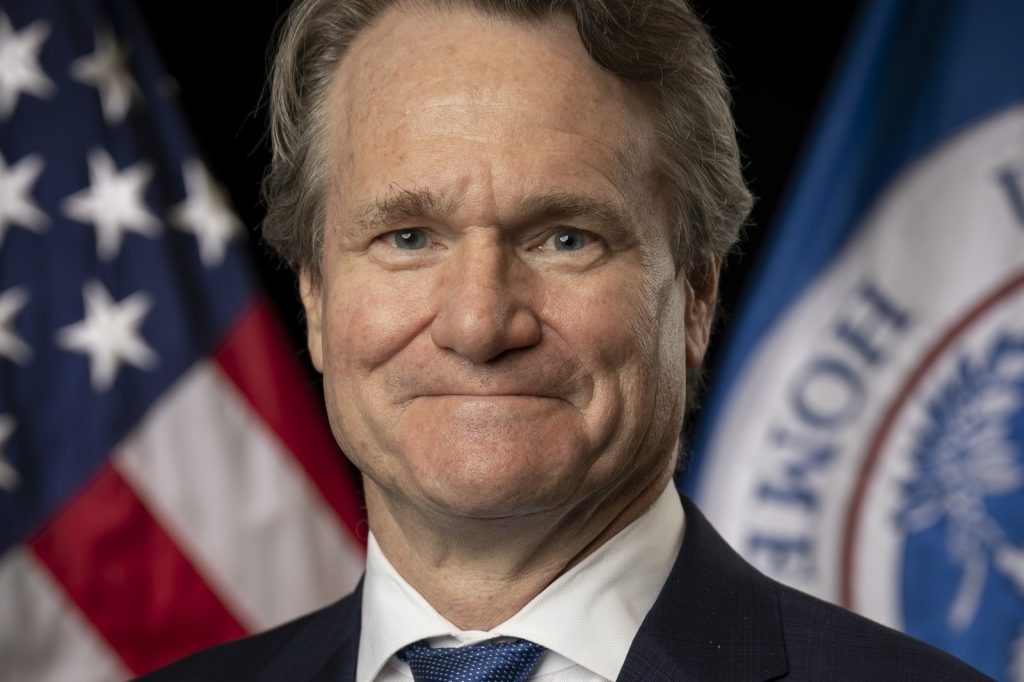
Unemployment could spike to a 4% range later this year. That forecast came Sunday from Bank of America CEO Brian Moynihan. He called it a “mild recession,” set to begin in the third quarter of 2023.
By historical standards, 4% is low. But Moynihan warned the real concern is where this trend leads.
The Federal Reserve is raising interest rates, desperately trying to tame inflation that has hit a 40-year high. The dollar is losing value. Supply chains remain disrupted.
The war in Ukraine grinds on. These factors are piling up.
Jerome Powell, the Fed chairman, said the economy faces “significant challenges.” He called a recession “certainly a possibility.” This is not abstract. A recession touches real lives. People lose jobs.
Businesses close. Savings shrink. The Biden administration’s spending policy is the cited culprit.
One leading economist put it bluntly: the administration’s “reckless spending policy is causing money to vanish faster than it can be printed.” That is a stark image. Money vanishing.
Not just slowing down, but disappearing. What to watch next. The third quarter.
That is when Moynihan sees the downturn starting. July through September.
Families planning summer vacations may find gas and food prices still climbing. Companies watching their bottom lines may freeze hiring. The Fed may keep raising rates, making mortgages and car loans more expensive.
Each move tightens the vise. The risk is a cascade. High inflation eats away at purchasing power.
The Fed raises rates to fight it. Higher rates slow borrowing and spending.
Slower spending can tip the economy into contraction. That is the recession. And once it starts, it can be hard to stop.
Unemployment at 4% would still be low. But the trend matters more than the number.
If it climbs from 4% to 5%, that is hundreds of thousands of people out of work. If it climbs higher, the damage deepens. The warning from Moynihan was not about the starting point.
It was about where the trend leads. Powell’s language was measured but grim. “Significant challenges.” “Certainly a possibility.” Those are not the words of a confident central banker.
They are the words of someone watching a perfect storm form. Inflation.
Supply chains. War. Spending.
Each one feeds the others. The economists who issued the warning on June 4 did not mince words.
They said the US economy was at risk of entering a recession by the second half of the year. That is now. The second half of 2023 is here.
The clock is ticking. For ordinary people, the fallout is immediate. Higher prices at the store.
Higher interest rates on credit cards. A harder job market.
The administration’s spending policy is the root cause, according to these experts. Money is being printed faster than it can be used. That devalues the dollar.
That drives inflation. That forces the Fed to act.
And that action risks a recession. It is a chain reaction. Each link is visible.
The question is whether anything can break the chain before it tightens too far. The warnings are on the record. The forecasts are in.
Now the third quarter begins.