
Bitcoin’s block reward has been cut in half four times since 2009, falling from 50 BTC to 3.125 BTC. For families across the region who hold a little bitcoin as savings, or who work in the mining trade, the most recent cut is the one still setting the mood. According to CoinPaprika, it came before a run to an all-time high of $126,173 on October 6, 2025, followed by a 53% slide to a daily low of $59,013 on June 30, 2026. On October 26, 2026 bitcoin traded near $80,188, about 36% under that peak.
How the cut works
No vote or committee triggers a halving. The protocol applies it every 210,000 blocks, roughly every four years, and every full node in the network applies the smaller reward at the same instant. The idea is to enforce the 21 million coin cap written into the code in 2009. About 20.10 million coins existed on October 26, 2026, roughly 95.7% of the eventual total, with around 450 BTC arriving daily. Cuts of this kind stretch the remaining issuance toward the year 2140.
Miners earn the reward by winning a proof-of-work race for each block, and the reward is what pays for their electricity and equipment. The network also resets mining difficulty every 2,016 blocks, about two weeks, to keep blocks near the ten-minute target. Difficulty keeps supply growth predictable. The halving keeps it shrinking. After the 2024 cut, annual issuance growth fell below 1%, under gold’s estimated 1.5 to 2%.
The four cuts so far
The first halving came on November 28, 2012, at block 210,000. The reward dropped to 25 BTC with bitcoin near $12. The second, on July 9, 2016, cut it to 12.5 BTC at around $650. The third, on May 11, 2020, brought 6.25 BTC with the price near $8,700. The fourth, on April 20, 2024, set today’s 3.125 BTC with bitcoin around $64,000.
That last block was odd. The Runes token protocol launched in it, and a bidding war for space paid its miner 37.626 BTC in fees, against a subsidy of just 3.125 BTC, according to mempool.space.
What it did to price
Every past halving came before a major price cycle, but each rally has been smaller. After 2012, bitcoin climbed above $1,100 within about a year, a gain near 9,300%. The 2016 cut led to roughly $19,700 by December 2017, about 2,900%. The 2020 cut led to a peak near $69,000 in November 2021, about 690%. The 2024 cut led to the $126,173 high, a gain of roughly 97%. The last three cycles topped out 17 to 18 months after their halving, the 2012 cycle after about 12.
Four cycles is a thin sample, and analysts caution that correlation is not causation. Interest rates, liquidity and leverage now move price as much as supply does. The 2024 cycle also broke the template, with records set before the halving as spot bitcoin exchange-traded funds and institutional demand pulled money in.
Squeeze on miners
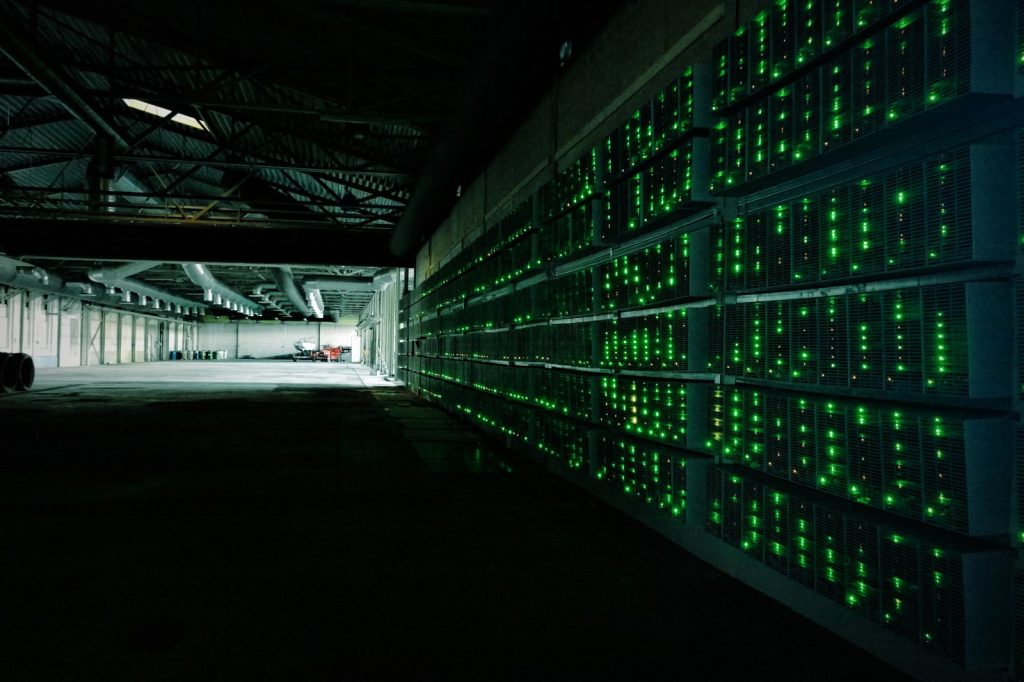
Each halving cuts block-reward revenue by half in bitcoin terms, while power and hardware bills stay put. Hashprice, the daily revenue per petahash per second, averaged $27.7 in June 2026, an all-time low according to CoinShares, and had recovered to roughly $37 to $39 by October 20. Listed miners’ weighted cash cost was about $75,500 per bitcoin in the second quarter, while bitcoin ended that quarter at $58,400.
Fees offer little cushion. They made up 0.37% of block rewards over the 144 blocks to October 26, and averaged 0.60% across 2026, the lowest annual share since 2015. The subsidy still pays about 99% of the bill. Efficient operators on cheap power keep positive margins, and older fleets shut down. Many are turning to AI and high-performance computing. Listed miners have disclosed more than $100 billion of such contracts, but by September 2026 only about $1.1 billion of annualised revenue was billing. Six large listed miners sold more than 32,000 BTC in the first quarter of 2026, more than in all of 2025.
Is the network still safe?
Halvings can push some hashrate offline, which briefly lowers the cost of attacking the chain, but the difficulty adjustment closes that window. In 2026 it did real work. Difficulty fell 11.16% in February and 10.09% in mid-June, to 124.93 trillion, as high-cost rigs went dark. As hashrate returned, difficulty climbed to 140.58 trillion on October 16, with hashrate near 1,040 EH/s. The network bent through a severe margin squeeze without breaking.
The next halving is estimated for around April 2028 at block 1,050,000, when the reward falls to 1.5625 BTC. On October 26, 2026 the chain stood at block 973,229, leaving 76,771 blocks to go.




