
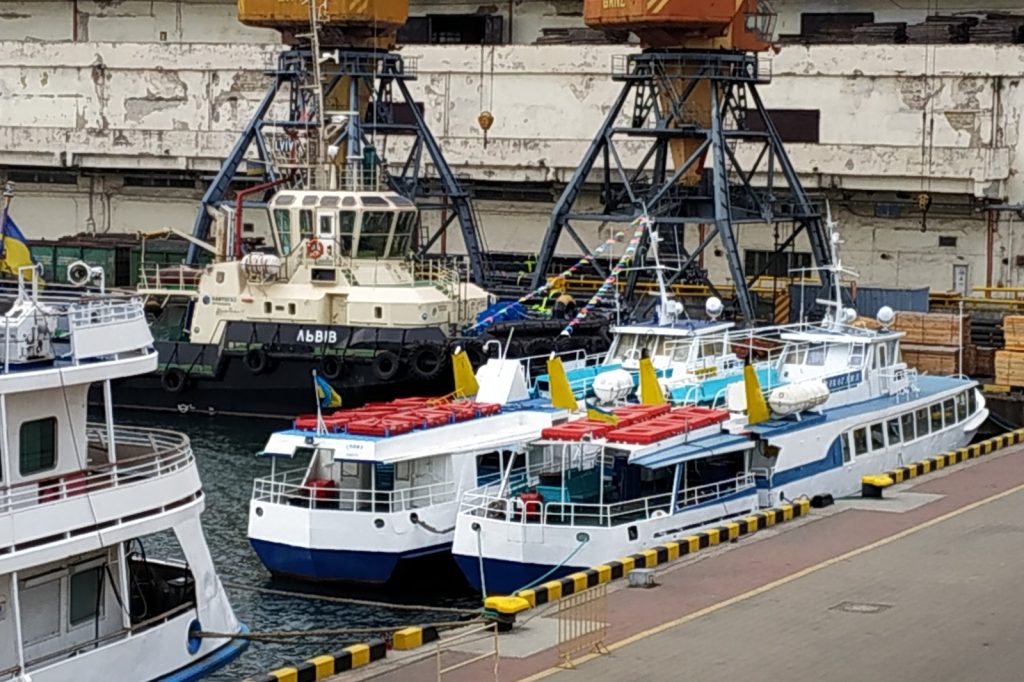
ISTANBUL, July 9 — The Black Sea Grain Initiative, a UN- and Turkey-brokered agreement signed on July 22, 2022, permitted Ukraine to export grain from three key ports: Odesa, Chornomorsk, and Yuzhny. The deal was renewed three times before Russia withdrew on July 17, 2023, citing unmet demands. Between August 2022 and July 2023, the initiative enabled the export of nearly 33 million metric tons of grain and foodstuffs.
After Russia’s withdrawal, Ukraine established a temporary corridor hugging the western Black Sea coast.
Strategic Calculations
The October 2023 strikes on Russian ships are widely seen as an effort to protect this corridor and pressure Russia to return to the deal. The original initiative, signed in Istanbul, had been a rare moment of diplomatic cooperation between the warring parties, with Ankara and the United Nations acting as intermediaries. Russia’s stated reason for withdrawal — that its demands regarding its own agricultural exports had not been met — remains a point of contention.
The October 2023 strikes introduced a new dimension to the struggle over Black Sea shipping lanes. By targeting Russian naval assets, Ukrainian forces aimed to demonstrate that the corridor could be defended militarily, not just through diplomatic agreements.
Ukrainian officials have stated that the temporary corridor, while less efficient than the formal initiative, has allowed some grain shipments to continue. The route hugs the coast, keeping vessels within range of Ukrainian shore-based defenses and reducing the risk of interception by Russian forces. The situation on the water remains fluid.
Commercial shipping companies face difficult decisions about insurance, crew safety, and the viability of routes that pass through an active conflict zone. The absence of a formal agreement has increased costs and complexity for all parties involved in grain trade through the region.
Looking Ahead
Diplomatic efforts to revive the Black Sea Grain Initiative have continued intermittently, with Turkey and the United Nations maintaining contact with both sides. No breakthrough has been reported as of this writing, and the prospects for a renewed deal remain uncertain. The nearly 33 million metric tons exported under the initiative represented a substantial portion of Ukraine’s agricultural output during the period it was operational.
Without a formal agreement, the volume of grain moving through Black Sea ports has decreased, though the temporary corridor has provided a partial workaround. What to watch next: whether continued military pressure on Russian naval assets will alter Moscow’s calculus regarding a return to negotiations, and whether alternative export routes through European Union member states can absorb the volumes that once moved through the Black Sea corridor.
The interplay between battlefield developments and diplomatic channels will likely determine the future of grain exports from one of the world’s major agricultural producers.
{“@context”: “https://schema.org”, “@type”: “NewsArticle”, “headline”: “Black Sea Grain Initiative Collapse Preceded Ukraine Port Strikes”, “description”: “ISTANBUL, July 9 — The Black Sea Grain Initiative, a UN- and Turkey-brokered agreement signed on July 22, 2022, permitted Ukraine to export grain from…”, “datePublished”: “2026-07-09T09:30:00+00:00”, “author”: {“@type”: “Person”, “name”: “Dmitry Volkov”}, “publisher”: {“@type”: “Organization”, “name”: “InfoPulse Today”, “url”: “https://newsfeed.infopulsetoday.com/”}}




