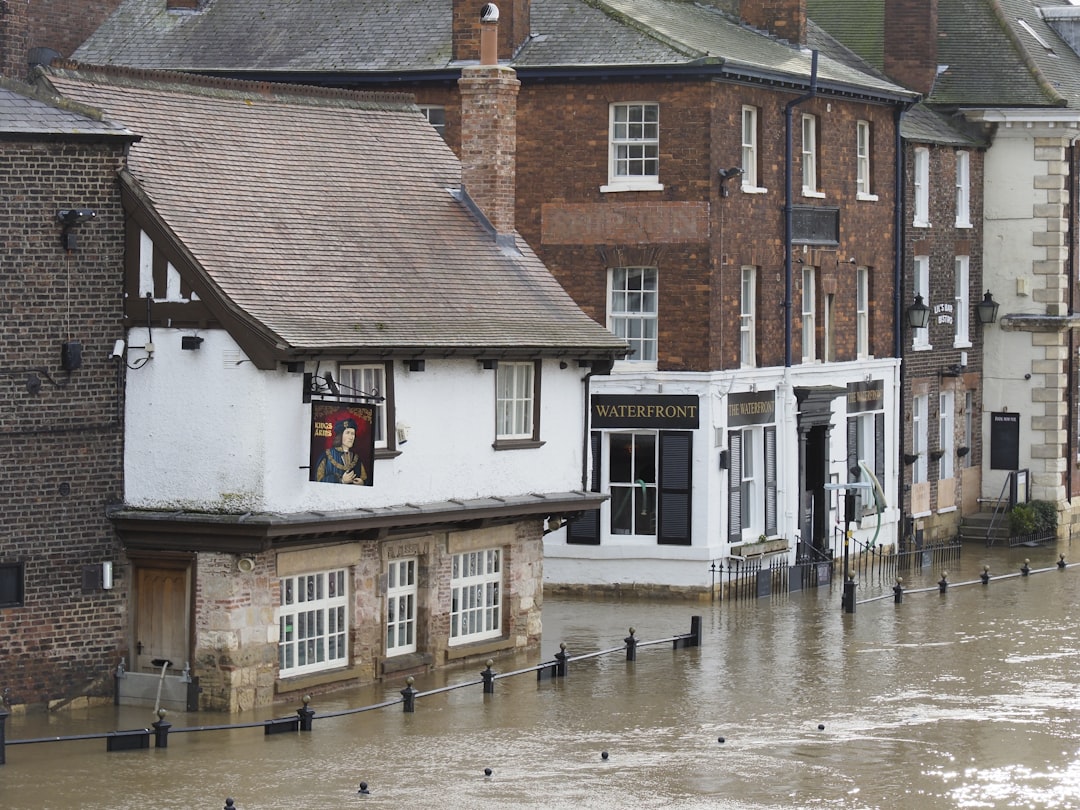
The dam gave way. That single event turned a catastrophic flood into an outright calamity. In the Brazilian state of Rio Grande do Sul, the collapse of a dam sent a second surge of water into areas already drowning from record rainfall. The result, as of July 7, 2024, is 181 people dead.
The flooding started on April 29. Heavy rains and storms pummeled the region. For weeks, the water kept rising. Landslides tore through hillside communities. Then the dam failed. The report calls this one of Brazil’s worst flooding disasters in over 80 years. That is not a small claim. Brazil is a country that knows flooding. It has seen the Amazon River swallow whole towns. It has watched mudslides erase neighborhoods. To be the worst in eight decades means something fundamental broke.
The dam collapse did not just add water. It added speed. A dam holds back a massive, concentrated volume. When it goes, that volume does not trickle in. It arrives as a wall. The report does not name the dam or specify the exact location of the breach. What it does say is that the collapse “further exacerbated the situation” and “caused additional flooding and damage to surrounding areas.” That is the understated language of disaster reporting. In plain terms, places that might have been safe were suddenly not.
The destruction is not confined to Brazil. The storms and floods hit Uruguayan cities too. Treinta y Tres, Paysandú, Cerro Largo, and Salto are all listed as affected. This is a regional event. Rivers do not respect borders. The same weather system that drowned Rio Grande do Sul pushed water across the line into Uruguay. The report notes the international community is likely watching. That may be true. But for the people in those cities, watching is not the same as getting help.
This is not an isolated event. The report makes that point bluntly. Brazil has suffered similar calamities in July, September, and November of 2023. Those disasters killed 75 people. That number is dwarfed by the 181 dead in this single event. The frequency is the story. Three major flood events in twelve months, and then a fourth that is worse than all of them combined. The report says this “highlights the need for increased awareness and preparedness.” That is a polite way of saying the country is not ready.
Heavy rains and storms caused this. That is the proximate cause. But the report frames the disaster as part of a pattern. Brazil has experienced several environmental disasters in the past 12 months. The implication is clear. The weather is changing. The storms are getting stronger. The dams are not holding. The landslides are getting worse. The report does not use the phrase “climate change.” It does not need to. The facts do the work.
Relief efforts are underway. The report says the situation is being closely monitored and that support is being provided to those affected. That is the standard language of a government response. What the report does not say is whether that response is adequate. It does not say whether the 181 dead could have been fewer. It does not say whether the dam should have been inspected or reinforced. It simply reports the facts.
The flooding began on April 29. By July 7, the death toll had reached 181. The dam collapsed somewhere in that span. The landslides happened. The water rose. The cities in Uruguay got hit. The international community is watching. The pattern continues. That is the story. It is a story of a dam that failed and a region that drowned.