
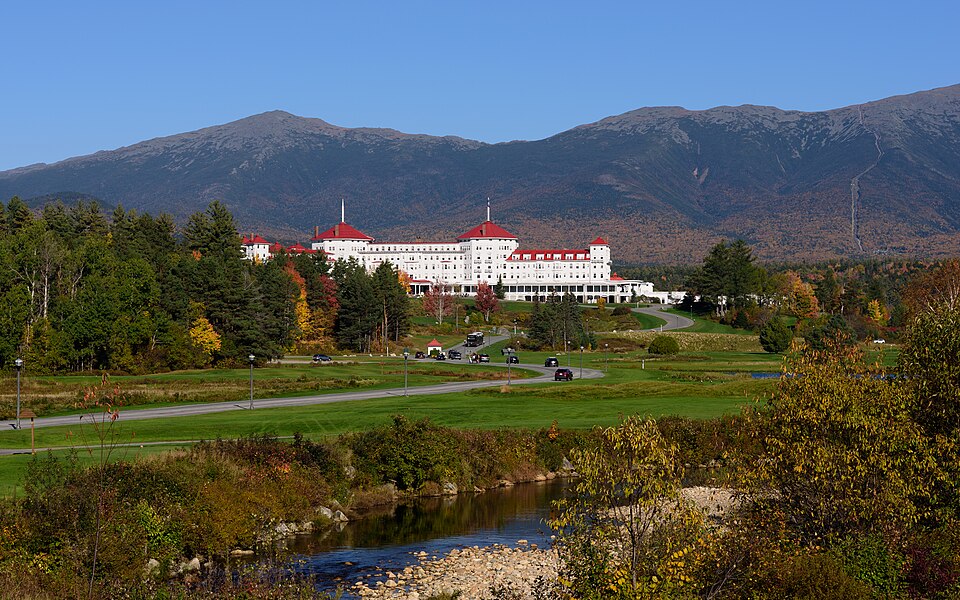
In the summer of 1944, as World War II still raged across Europe and the Pacific, delegates from 44 Allied nations converged on a quiet resort town in New Hampshire. Their task was nothing less than to design the architecture of global finance for the postwar world.
The Bretton Woods Conference produced a monetary system that placed the United States dollar at the center of international trade, a position it still holds more than eight decades later, despite the formal collapse of that system in the early 1970s.
A System Forged in Wartime, Anchored in Gold
The agreement reached at Bretton Woods was elegantly simple in design. The U.S. dollar was pegged to gold at $35 per ounce, and all other participating currencies were pegged to the dollar. This created a fixed exchange rate regime intended to prevent the competitive devaluations that had destabilized global trade in the 1930s.
The conference also established two institutions that remain pillars of the global economy today: the International Monetary Fund and the World Bank, created to oversee financial stability and reconstruction. The dollar’s dominance was not accidental.
At the time, the United States held the world’s largest gold reserves — over 20,000 metric tons in 1949 — and its economy emerged from the war stronger than any other. Other nations, their economies battered by conflict, had little choice but to tie their currencies to the dollar. The system governed financial relations among independent states, requiring participating countries to guarantee that their currencies could be converted into U.S. dollars.
It established rules for commercial relations between several dozen nations, including the United States, Canada, Australia, and various European countries. Prior to this arrangement, the world had lacked a fully negotiated system to manage monetary relations; the 1944 agreement sought to replace that chaos with a structured regime.
From the Nixon Shock to Floating Rates
The Bretton Woods system operated until August 15, 1971, underpinning an era of expanding international trade and economic growth. On that date, President Richard Nixon announced the suspension of the dollar’s convertibility into gold — a move that became known as the “Nixon Shock.” The Bretton Woods system effectively ended that day. By 1973, major economies had abandoned fixed exchange rates entirely, adopting floating rates that would be determined by markets rather than government decree.
The system designed in New Hampshire was gone. The agreement remained the primary international standard until the Jamaica Accords in 1976, which formalized the new floating-rate regime.
But despite the system’s collapse, the dollar retained its status as the world’s primary reserve currency. The reason comes down to simple math and market depth. No viable alternative existed.
The U.S. economy at the time represented about 25 percent of global GDP, and American financial markets were — and remain — the deepest and most liquid in the world. The institutions born at Bretton Woods — the IMF and World Bank — also survived and continue to operate today.
The dollar’s reserve status, while no longer backed by gold, persists for the same practical reasons that made it the anchor currency in 1944: size, stability, and the absence of any credible alternative. The Bretton Woods system institutionalized the U.S. dollar as the primary reserve currency, and even after the formal framework dissolved, other nations lacked a viable alternative. The depth of American financial markets and the size of the U.S. economy ensured the dollar remained the center of global trade.
Eight decades after delegates first gathered in New Hampshire, the dollar’s role endures — not because of any formal treaty, but because of the sheer weight of the American economy and the trust it continues to command.




