Brunei is seeking to establish itself as a leader in regional blue carbon credits, with the small southeast Asian nation aiming to capitalize on its vast marine ecosystems. On November 28, 2023, in Brunei, officials announced plans to develop a blue carbon credit system, which would allow the country to sell credits to other nations looking to offset their carbon emissions. The move is part of Brunei’s efforts to reduce its own carbon footprint and promote sustainable development in the region. According to Dato Seri Setia Awang Haji Ali bin Haji Apong, Brunei’s Minister of Primary Resources and Tourism, the country is well-positioned to take a leading role in the development of blue carbon credits due to its extensive marine resources.
introduction to blue carbon credits
Blue carbon credits are a type of carbon credit that is specifically focused on the carbon sequestration potential of marine ecosystems, such as mangroves, seagrasses, and coral reefs. These ecosystems are capable of storing significant amounts of carbon, and when they are protected or restored, they can help to reduce the amount of carbon in the atmosphere. The development of blue carbon credits is still in its early stages, but it has the potential to provide a new source of revenue for countries with significant marine resources. As noted by Dr. Catherine Lovelock, a marine ecologist at the University of Queensland, “blue carbon credits have the potential to provide a new incentive for the protection and restoration of marine ecosystems, which is critical for maintaining biodiversity and supporting the livelihoods of communities that depend on these ecosystems.”
brunei’s marine resources
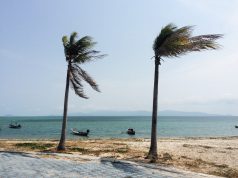
Brunei has a significant amount of marine resources, including coral reefs, mangroves, and seagrasses. The country’s marine ecosystems are home to a diverse range of species, and they provide important habitat for fish and other marine life. According to the Brunei Government’s Department of Fisheries, the country’s marine ecosystems are also an important source of food and income for local communities. The development of a blue carbon credit system in Brunei could help to promote the conservation of these ecosystems, while also providing a new source of revenue for the country. As stated by Dato Seri Setia Awang Haji Ali bin Haji Apong, “the development of blue carbon credits is a key part of our strategy to promote sustainable development and reduce our carbon footprint, while also supporting the livelihoods of local communities.”
regional implications
The development of a blue carbon credit system in Brunei could have significant implications for the region. Other countries in southeast Asia, such as Indonesia and Malaysia, also have significant marine resources, and they may be interested in developing their own blue carbon credit systems. According to a report by the World Wildlife Fund, the development of blue carbon credits could provide a new source of revenue for countries in the region, while also promoting the conservation of marine ecosystems. As noted by Dr. Hillsman Jayasinghe, a senior officer at the World Wildlife Fund, “the development of blue carbon credits has the potential to provide a new incentive for the protection and restoration of marine ecosystems in the region, which is critical for maintaining biodiversity and supporting the livelihoods of communities that depend on these ecosystems.”
next steps
The development of a blue carbon credit system in Brunei is still in its early stages, and there are several steps that need to be taken before the system can be implemented. According to Dato Seri Setia Awang Haji Ali bin Haji Apong, the Brunei Government is currently working with international organizations, such as the World Wildlife Fund, to develop a framework for the blue carbon credit system. The government is also working with local communities to raise awareness about the importance of marine conservation and the potential benefits of blue carbon credits. As stated by Dr. Catherine Lovelock, “the development of a blue carbon credit system will require careful planning and coordination, but it has the potential to provide a new source of revenue for countries with significant marine resources, while also promoting the conservation of these ecosystems.”
Brunei’s efforts to establish itself as a leader in regional blue carbon credits are a significant step towards promoting sustainable development and reducing carbon emissions in the region. The development of a blue carbon credit system has the potential to provide a new source of revenue for the country, while also supporting the livelihoods of local communities and promoting the conservation of marine ecosystems. As the system continues to develop, it will be important to monitor its progress and ensure that it is meeting its intended goals. With the support of international organizations and local communities, Brunei is well-positioned to take a leading role in the development of blue carbon credits and to promote sustainable development in the region.