Environmental Damage Reveals Long-Term Risks for Philippine Mining Sector
The Philippines faces a critical environmental challenge as mining waste management systems struggle to withstand the force of recent typhoons. Occurring in July 2024, this crisis highlights the vulnerability of open-pit and tailings facilities across the archipelago when exposed to extreme weather events. The situation stems from a combination of aging infrastructure, insufficient regulatory oversight, and the increasing intensity of tropical cyclones driven by climate change. When heavy rains and high winds associated with typhoons hit mining regions, loose tailings can flow into nearby rivers and communities, causing contamination and safety hazards. This issue has drawn immediate attention from local environmental groups and international observers who warn that without significant investment in safer storage methods, the risk of catastrophic failure remains high for many sites operating under current standards.
Infrastructure Vulnerabilities Exposed by Recent Storms
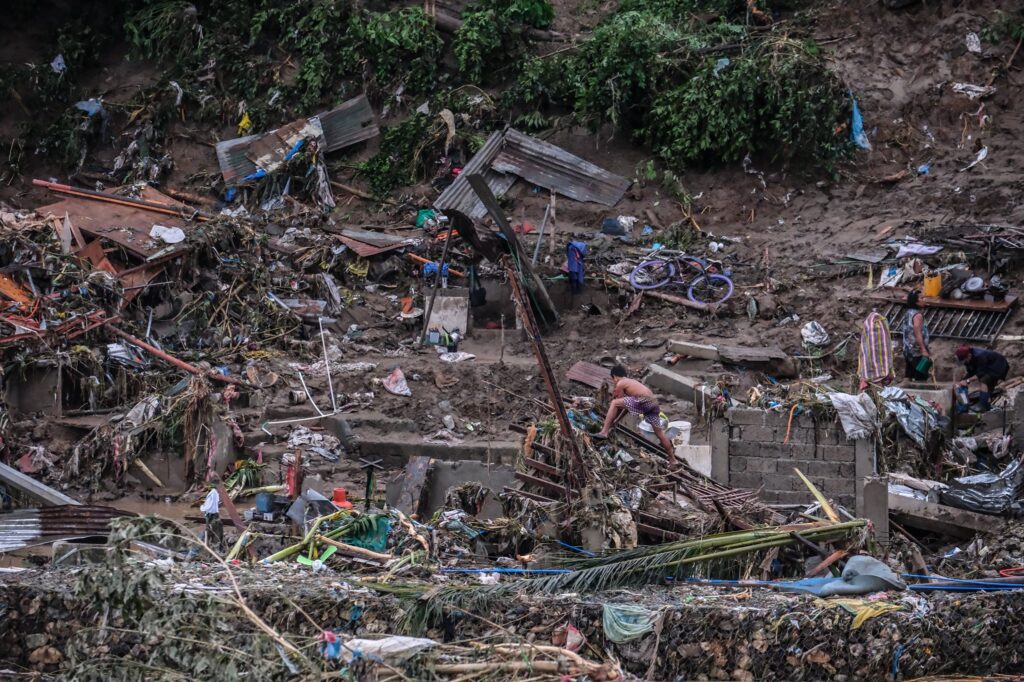
The physical damage to mining operations became evident shortly after the storm systems passed through key industrial zones. Tailings dams, which are designed to hold waste rock and processing byproducts, showed signs of erosion and structural weakness in several provinces. In some instances, runoff from these facilities mixed with floodwaters, creating a slurry that traveled downstream toward residential areas and agricultural lands. Officials noted that many of the affected sites were not built to accommodate the volume of water generated during peak typhoon season. The lack of real-time monitoring systems meant that warning signs were often missed until damage was already occurring. This gap in preparedness left local communities exposed to toxic sediments containing heavy metals such as lead, arsenic, and mercury. The sheer scale of the waste stored at these sites exceeds the capacity of existing containment structures, creating a ticking time bomb for regions dependent on mining revenue but lacking robust environmental protections.
Regulatory Gaps and Corporate Accountability
Government agencies responsible for overseeing mining operations have faced scrutiny over their ability to enforce safety standards. While laws exist to regulate waste disposal, enforcement mechanisms often lag behind the pace of industrial expansion. Inspections are frequently conducted months after a storm event, by which time immediate hazards may have been exacerbated. Critics point out that penalties for non-compliance are rarely severe enough to deter companies from cutting corners on safety measures. One representative from the Department of Environment and Natural Resources stated that regulatory frameworks need to be updated to reflect modern engineering standards and climate realities. Industry leaders argue that compliance costs are rising, yet they acknowledge that maintaining outdated facilities poses unacceptable risks. There is growing pressure for independent audits and mandatory insurance requirements tied to environmental liability. Without stronger accountability measures, the cycle of damage and delayed response will continue to threaten public health and local ecosystems.
Community Impact and Health Concerns
Local residents near mining sites report increased instances of respiratory issues and skin irritation following exposure to contaminated water sources. Schools and hospitals in affected towns have raised alarms about the potential long-term effects of heavy metal ingestion through drinking water or food chains. Fishermen who rely on nearby rivers for their livelihoods have found their catches tainted, leading to economic losses that compound the environmental damage. Community leaders demand greater transparency from mining corporations regarding waste composition and disposal methods. They argue that current compensation schemes do not adequately cover medical expenses or lost income caused by pollution-related illnesses. Grassroots organizations are organizing campaigns to push for stricter zoning laws that keep residential areas further away from active mines and tailings facilities. These efforts aim to ensure that future development does not repeat the patterns of exploitation seen in previous decades.
Path Forward Through International Cooperation and Local Action
Addressing the mining waste crisis requires a multi-faceted approach involving government, industry, and civil society. International donors and development banks are considering funding programs focused on upgrading tailings storage facilities to meet global best practices. Technology transfer agreements could help local engineers implement low-cost monitoring systems that provide early warning of potential breaches. Public-private partnerships might facilitate the creation of a national registry for all mining waste sites, ensuring no facility goes unmonitored. Education initiatives targeting both corporate leaders and local populations can foster a culture of sustainability and safety. The Philippines must balance its economic reliance on mineral extraction with the urgent need to protect its environment and people. Failure to act decisively could lead to irreversible ecological damage and social unrest. Stakeholders agree that immediate steps are necessary to prevent further disasters while building resilience against future climate shocks.