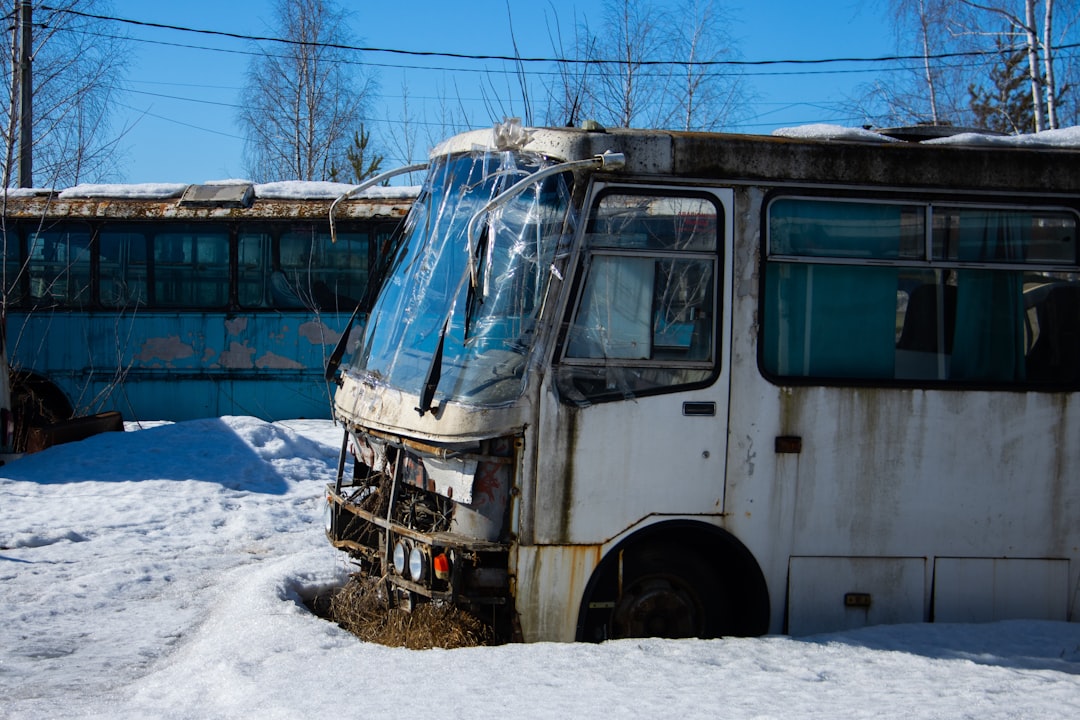
The nine people who died on a bus between Kano and Maiduguri on January 9 were not just statistics. They were passengers on a route that cuts through the heart of northern Nigeria, a road that connects the region’s commercial capital to the volatile northeast. The ten injured survivors now in hospital beds are the living evidence of what happens when that connection fails.
Kano is not a small town. It holds over four million people. It is the second largest city in Nigeria, a medieval Hausa kingdom that once sat at the crossroads of the trans-Saharan trade. Its Dabo dynasty has ruled since the 19th century. The Kano Emirate Council still operates as a traditional institution under the state government. This is a city with deep history and heavy traffic. The bus crash on the route to Maiduguri shows that history does not protect anyone from bad roads.
The savanna south of the Sahel is a hard environment for transport. The infrastructure in Kano was built to accommodate the needs of a growing population, but the road between Kano and Maiduguri is a major artery that runs through areas where security is fragile and distances are long. The crash on January 9 is the latest evidence that the system is not holding.
Nine families now have to bury their dead. Ten people are recovering from injuries. The cause of the crash is not yet known. An investigation will follow. But the pattern is familiar. Bus crashes on this route happen often enough that local communities have learned to expect them. The shockwaves through Kano and Borno States are real, but so is the resignation.
The stakes are concrete. Kano is a hub for trade and commerce in northern Nigeria. Its markets draw people from across the region. The road to Maiduguri is one of the few ways to move goods and people into the northeast, an area that has suffered years of insurgency and displacement. If the route is unsafe, the consequences are not abstract. They mean fewer traders traveling, higher costs for goods, and more families left waiting for news that never comes.
The injured are receiving medical attention. That is the immediate response. But medical attention does not fix the road. It does not address why a bus carrying passengers between two major cities ended up wrecked on the savanna. The investigation may find a cause. It may not. Either way, the crash has already changed the lives of nineteen families.
Kano’s location made it a key stopover for the trans-Saharan trade for centuries. People moved through this area long before buses existed. But the modern route between Kano and Maiduguri carries a different kind of traffic. It carries workers, traders, students, and families. When a bus crashes, it is not just a transportation failure. It is a failure of the system that was supposed to get those people home safely.
Nine dead. Ten injured. One road. The numbers are small, but the implications are not. If the route between Kano and Maiduguri cannot be made safe, then the connection between northern Nigeria’s commercial heart and its crisis-ridden northeast remains broken. That is what is at stake.