Southeast Asia , Jan 02, 2022
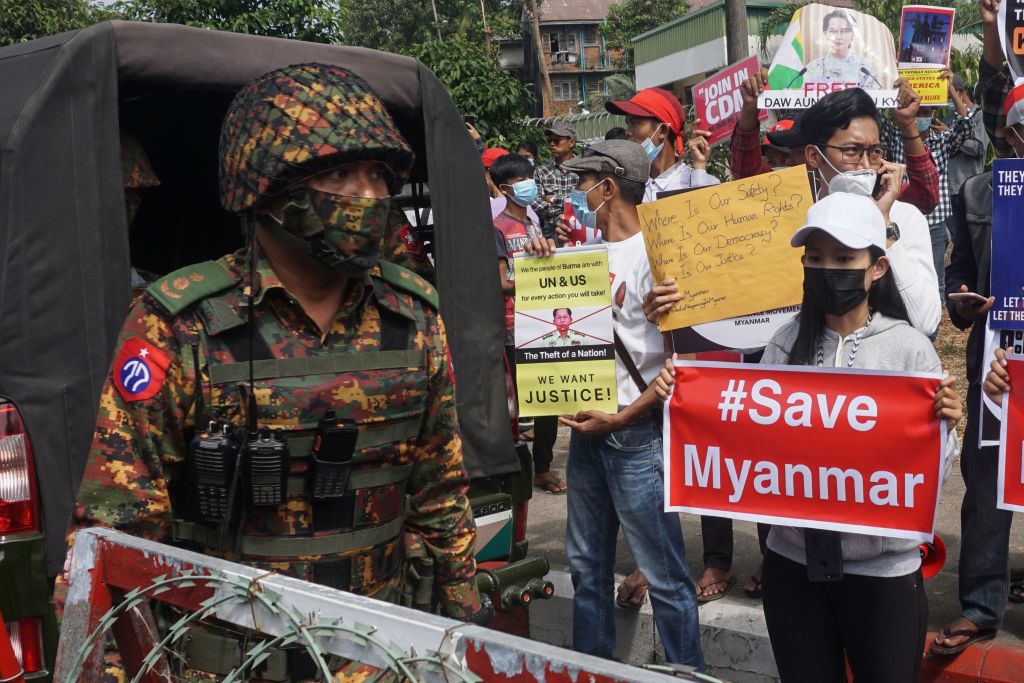
More than three years since Myanmar’s military coup, ASEAN remains deeply divided over how to respond. While Indonesia and Malaysia push for stronger sanctions and human rights accountability, countries like Thailand continue quiet diplomatic engagement with the junta.
This division has paralyzed ASEAN’s ability to present a united front. At recent summits, member states clashed over whether to isolate or reintegrate Myanmar into regional talks. The bloc’s credibility as a peace broker is now at stake, with civil society groups calling ASEAN’s Five-Point Consensus toothless and ineffective.
Myanmar’s crisis also threatens regional stability, with escalating armed conflict, refugee flows, and humanitarian disasters. ASEAN’s indecision is testing the limits of its non-interference policy and raising questions about its future relevance in handling major geopolitical crises.

The Association of Southeast Asian Nations (ASEAN) has long been guided by a principle of non-interference in the internal affairs of its member states, a policy aimed at promoting regional stability and cooperation. However, this approach has been increasingly challenged by the evolving geopolitical landscape of the region, where internal conflicts can quickly spill over national borders and affect neighboring countries. The situation in Myanmar has brought this dilemma to the forefront, as ASEAN member states grapple with the moral and strategic implications of their response.
ASEAN’s role as a regional peace broker has been a key aspect of its identity and purpose since its founding. The bloc has facilitated dialogue and cooperation among its member states on a range of issues, from trade and economic development to security and environmental protection.
However, the crisis in Myanmar has exposed the limitations of ASEAN’s consensus-based decision-making process, which requires unanimity among member states to take collective action. This has hindered the bloc’s ability to respond effectively to the crisis, undermining its credibility and raising questions about its ability to address future challenges. The regional implications of the crisis in Myanmar are far-reaching, with potential consequences for the stability and security of the entire region.
The flow of refugees and migrants across borders can put a strain on the resources of neighboring countries, while the escalation of armed conflict can create an environment conducive to the spread of extremist ideologies and the proliferation of illicit activities. Furthermore, the humanitarian crisis in Myanmar has significant implications for regional public health, as the disruption of essential services and the displacement of populations can facilitate the spread of diseases.
The debate over how to respond to the crisis in Myanmar also reflects deeper divisions within ASEAN about its future direction and purpose. As the regional landscape continues to evolve, with the rise of new global powers and the increasing complexity of geopolitical relationships, ASEAN member states are being forced to re-examine their priorities and strategies. The ability of the bloc to adapt to these changing circumstances and to find a common voice on key issues will be critical to its continued relevance and effectiveness in promoting regional stability and cooperation. Ultimately, the outcome of the debate over Myanmar will have significant implications for the future of ASEAN and its role in shaping the regional order.