Cambodia , Sep 05, 2024
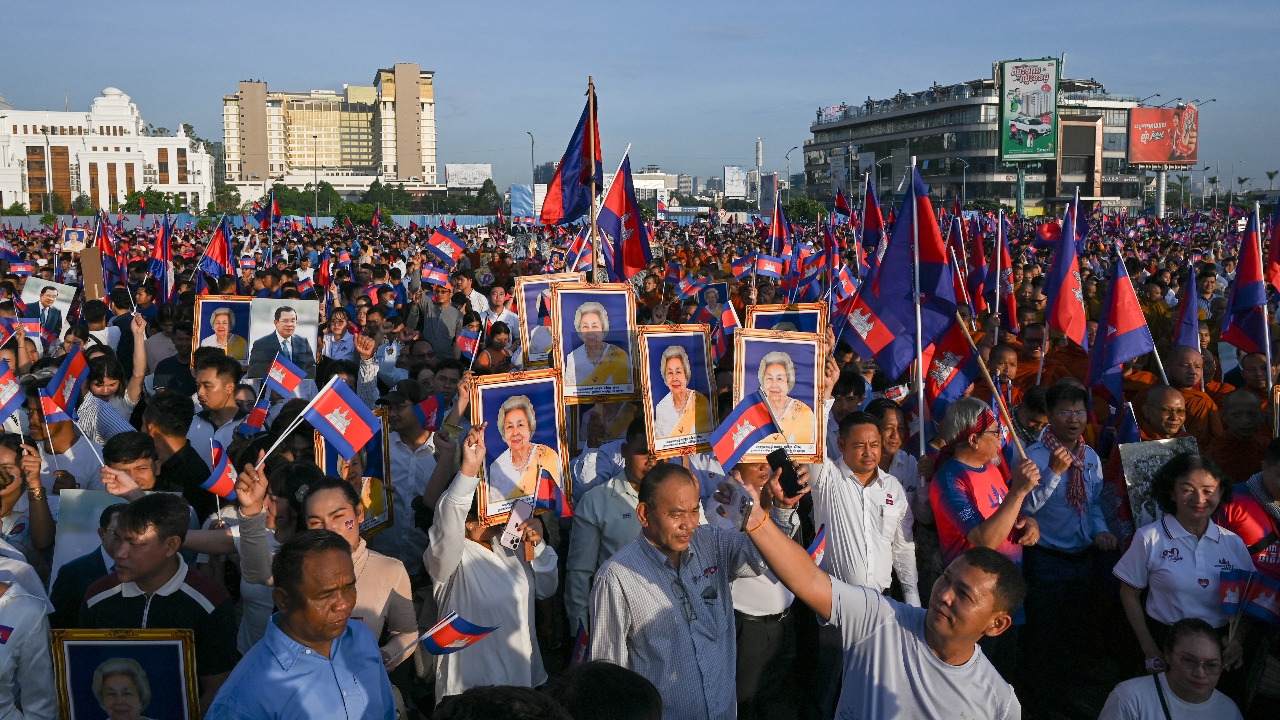
Hun Manet, Cambodia’s new Prime Minister and the son of long-time leader Hun Sen, is facing his first significant political test. Widespread protests have broken out in the capital, Phnom Penh, driven by economic grievances, land disputes, and calls for greater civil liberties. The demonstrations mark a turning point for Hun Manet, who came to power promising generational change and a more open leadership style.
However, the government’s response so far has been a mix of restraint and quiet suppression. While security forces have largely avoided violent crackdowns, reports of surveillance, detentions, and media restrictions raise concerns that Hun Manet may revert to his father’s authoritarian playbook.
Civil society groups are closely watching how Hun Manet manages dissent. Will he genuinely embrace reform, or is this simply a rebranding of dynastic rule in Southeast Asia? The outcome could shape not only Cambodia’s democratic trajectory but also its international standing in the region.

Cambodia has a complex history of political leadership, with the country experiencing various forms of governance since gaining independence. The Southeast Asian nation has struggled to balance economic development with social and political reforms, often leading to tensions between the government and civil society. The legacy of past leaders continues to influence the country’s political landscape, with many Cambodians seeking a more democratic and open system of governance.
The region as a whole has seen a mix of democratic and authoritarian systems, with some countries making significant strides in promoting human rights and the rule of law, while others have faced criticism for suppressing dissent and restricting civil liberties. Cambodia’s position in this context is crucial, as its choices on governance and human rights can have a ripple effect on neighboring countries and the broader regional dynamics.
The international community has been watching Cambodia’s development closely, with many organizations and countries providing support for democratic reforms and human rights initiatives. Economic grievances and land disputes are longstanding issues in Cambodia, often intertwined with political tensions and social unrest. The country’s rapid economic growth has created new opportunities, but it has also led to increased inequality and concerns about the distribution of wealth and resources.
Many Cambodians are seeking a more equitable system, where the benefits of economic growth are shared more widely and the rights of all citizens are protected. The current protests reflect these deeper concerns, as well as a desire for greater transparency and accountability in government.
The response of the international community to developments in Cambodia will be significant, as the country seeks to balance its relationships with neighboring countries, regional organizations, and global powers. Cambodia’s membership in regional forums, such as the Association of Southeast Asian Nations (ASEAN), provides a framework for engagement and cooperation on issues like trade, security, and human rights. The country’s ability to navigate these complex relationships while addressing domestic challenges will be crucial in determining its future trajectory and its position in the region.