
Canada’s new counter-tariffs reach nearly C$28 billion ($20 billion) of American goods, at rates up to 50%. The list runs from steel and furniture to cotton T-shirts. Prime Minister Mark Carney concedes the break with the US, Canada’s biggest trading partner, “will come at a cost.” The levies, he says, “are necessary to protect our workers.”
The bottom line for some Canadian businesses: sales are up. The Financial Times, as relayed by The Times of India, visited several of them.
Ice cream first
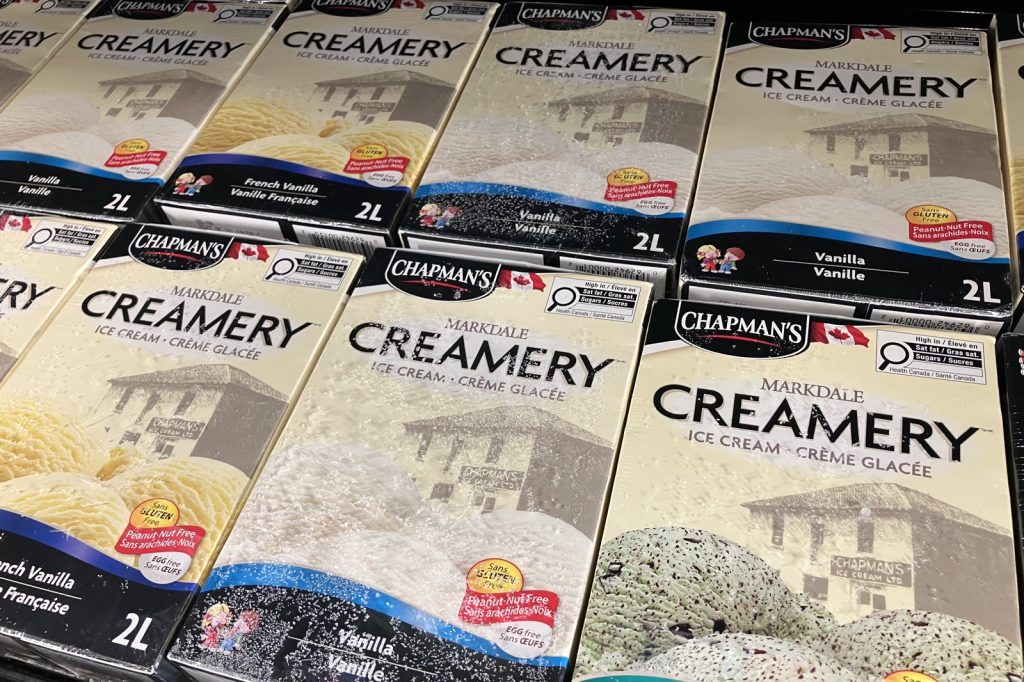
Chapman’s, Canada’s largest independent ice cream maker, has had some of its best summer sales yet. The family company employs 1,150 people in Markdale, Ontario, roughly two hours north-west of Toronto. “Every time Trump insults Canada, Canadians buy more Canadian things,” chief operating officer Ashley Chapman told the FT. “It actually has worked out quite well for us.”
The company is also rebuilding its supply chain. It began looking for suppliers outside the US in March last year, when Trump launched his first round of tariffs on Canada. More than 70% of its American ingredients and components should be replaced with Canadian or non-US sources by mid-2027.
Chapman put the change in blunt terms. Two years ago, he said, suggesting almonds from Australia instead of the US “would have said you were insane.” Asked about Trump’s push for more concessions, he was dry: “certainly Canadians have had enough.” And the buy-Canadian movement? “Strong and getting stronger.”
Gifts, wine and uniforms
In Ottawa, the gift store Maker House has spent 18 months selling 300 Canadian-made products. It stopped shipping to the US after tariffs pushed up its costs. Owner Gareth Davies said last year was “really good” and the past week brought a fresh lift. Top sellers carry the slogan “elbows up,” which the article describes as Carney’s battle cry against Trump’s hostility toward Canada. “Everything in the store is made in Canada, you don’t need to worry and check the labels,” Davies said.
Ontario’s winemakers saw it first. When American alcohol came off the shelves of the province’s government-run stores in response to Trump’s March 2025 tariffs, local producers reported a “significant boost.” Leaning Post Wines in Niagara sold an extra 3,000 cases. The winery only makes 8,000 cases a year, co-owner Nadia Senchuk noted, “that’s a significant increase.” Ontario has nearly 200 wineries that add more than C$5.5bn to the economy each year and employ 22,000 people, according to the Vintners Quality Alliance. VQA wine sales rose 10% year on year last year.
Defence supply is another winner. Wuxly, an Ontario company that started with winter coats, now makes defence- and aerospace-grade clothing. Its sewing workforce grew from 50 in 2024 to 200 in 2025, and the company expects to pass 350 by the end of this year. Founder James Yurichuk credited more interest in Canadian-made defence textiles under the government’s Build-Partner-Buy framework. Wuxly sent more than 250,000 Canadian-made goods to the EU last year and is “tracking to surpass this number” in 2026.
Not everyone gains
Joey Walsh, who owns the hockey retailer HockeyStickMan, told the FT that almost half of his sales used to come from the US. His family business has stores in Toronto and Belleville and about 80 employees. Tariffs have “affected our business significantly,” he said, though he is trying not to pass costs on to customers. Duties depend on where a product is made, not who sells it, so this round hits the industry less than it first appears. Still, shifting tariff levels mean extra work. “It has gotten more expensive to operate,” Walsh said. “That pressure isn’t finished.”




