
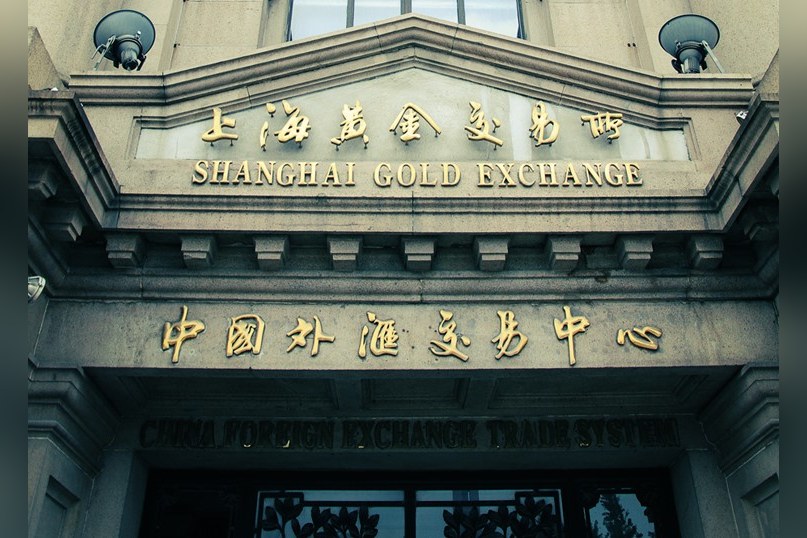
China’s central bank bought 20 tonnes of gold in July. Poland bought 8. The whole system, though, added a net 23 tonnes, and the gap between those numbers is the story.
The World Gold Council’s July figures, circulated in early September, show how thin the margin was. Russia sold 6 tonnes. Turkey, Jordan and Uzbekistan each let go of one. Small purchases from the Czech Republic, Kazakhstan, Malaysia and Bolivia did the rest. The mechanics here are simple: reported official demand is what is left after the sellers have taken their cut.
China and Poland
The People’s Bank of China has now reported gold purchases month after month, lifting its official holdings to about 2,366 tonnes, roughly 8 percent of its reserves. It has added 60 tonnes this year. Some analysts think the real number is far larger. One Money Metals researcher, Jan Nieuwenhuijs, argues the bank holds more than 5,000 tonnes, over twice what it admits, and he says Goldman Sachs and BMO Capital have started to take that view seriously. That is a claim, not a confirmed figure.
Poland is the year’s biggest buyer. The National Bank of Poland has added 90 tonnes since January and holds 640, about 28 percent of its reserves. It bought 102 tonnes in 2025, and it has said it wants to reach a ceiling of 700. Governor Adam Glapiński says that would “place Poland among the elite 10 countries with the largest gold reserves in the world.” In 1996 the bank held 14 tonnes.
The Czech Republic is the quiet one. Its 2-tonne purchase in July was the 41st month in a row of buying, and it holds 84 tonnes with a stated aim of 100 by 2028.
The sellers
Russia’s 6-tonne sale was its latest in a year of drawing down. It has sold 50 tonnes since January and is down to 2,277 tonnes, as Moscow copes with sanctions and a wartime economy. Turkey has shed 85 tonnes so far this year while it deals with a weak currency and higher oil prices.
Uzbekistan is the odd case. After adding 9 tonnes in each of May and June, it sold one in July. Governor Timur Ishmetov said that although “gold has turned out to be the best investment so far,” the bank is weighing sales at “favorable prices.” Countries that buy from domestic mines, Uzbekistan and Kazakhstan among them, swing between buying and selling as a matter of routine.
Slower, not stopped
Year to date, central banks have taken in 130 tonnes, about 30 less than at this point in 2025. The main difference from last year is more selling.
The catch is what 23 tonnes is being compared with. A Canadian Mining Report analysis put the prior month near 50 tonnes, which makes July a drop of roughly 54 percent. It also notes that the monthly series covers only what officials choose to disclose, and that it gets revised. The quarterly estimates run higher because they include buyers who say nothing. Second-quarter official demand came in at a net 289 tonnes, a record for a second quarter. First-half demand, at 345 tonnes, was the lowest since 2022.
Full-year 2025 buying was 863.3 tonnes, down 21 percent from 2024 and still well above the 2010 to 2021 average of 473 tonnes. The Council’s reading is that the higher gold price made banks “more cautious,” while their long-term interest “remains firmly intact.” In its latest survey, central bankers overwhelmingly said they expect global reserves to keep growing over the next 12 months.
Sources
- Central Banks Piled in More Gold in July
- Central Banks Keep Buying Gold, but July Purchases Fell 54%. Should Investors Be Concerned?




