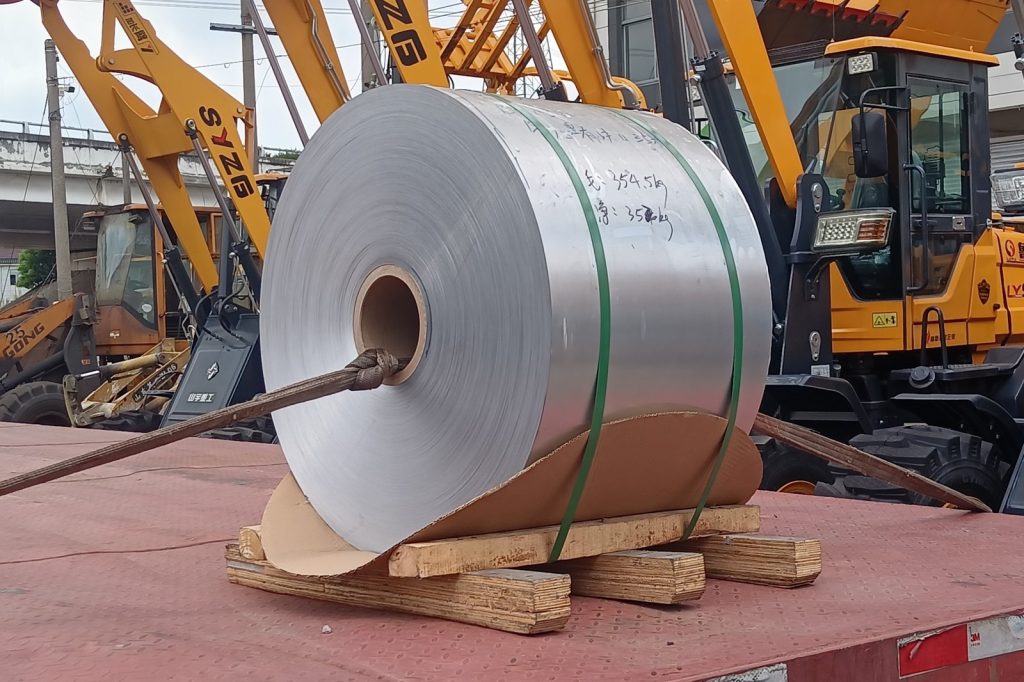
Orlando, August 29 — Southeast Steel, a family-owned steel manufacturer in Orlando, Florida, faces rising costs as the United States and Canada prepare to impose reciprocal tariffs on goods including steel, dairy, and lumber, with the first round expected as soon as September. President Stuart Kimball, who has led the company for decades, said uncertainty over the tariff policies is already slowing business and making customers wary.
He noted that parts imported from Canada could see price increases of up to 50 percent, and manufacturers cannot absorb such costs, ultimately passing them to consumers. The tariffs are part of a broader trade dispute between the two nations, echoing previous on-again, off-again tariff conflicts that have affected small businesses across the U.S. manufacturing sector.
Kimball emphasized that the financial strain is not isolated, affecting both business owners and consumers who are already navigating shifting economic conditions. With decades of experience in the industry, Kimball stated he has not witnessed a period of such prolonged uncertainty, underscoring the significance of the current trade climate for regional enterprises. Investors will note the ripple effect across supply chains and operational budgets as trade policy volatility deepens.
The company’s situation reflects growing concerns among U.S. firms about the impact of cross-border trade policies on supply chains and operational budgets. What follows will be watched closely by regional manufacturers and trade analysts alike.
The United States and Canada share one of the largest bilateral trading relationships in the world, with supply chains that are deeply integrated across industries such as automotive manufacturing, construction, and agriculture. Steel is a foundational input in many of those sectors, and even modest price shifts can have a cascading effect on production costs, project timelines, and consumer pricing.
When tariffs are applied to imported materials, manufacturers are often forced to choose between absorbing the additional expense or passing it along, and smaller operators are especially vulnerable because they have less flexibility to renegotiate contracts or relocate sourcing. The uncertainty surrounding tariff policy can be as disruptive as the tariffs themselves. Businesses typically make purchasing and hiring decisions months in advance, and sudden or repeated policy shifts make it difficult to lock in prices or commit to long-term orders.
For companies that depend on imported components, the threat of future tariffs can prompt customers to delay orders, seek alternate suppliers, or carry smaller inventories. That hesitancy can ripple through local economies, affecting not only manufacturers but also distributors, logistics providers, and service contractors.
The latest dispute fits a broader pattern of recurring trade friction between the two countries over key commodities, which has created an unpredictable environment for U.S. manufacturers. For companies in Florida and across the country, the outcome carries practical significance because steel pricing affects everything from residential construction to industrial equipment. As trade talks continue, the decisions made in the coming weeks will help determine whether producers regain a stable footing or face further strain from shifting cross-border policy.
More Small Business coverage: Memory Manufacturers Adjust Production Strategies