
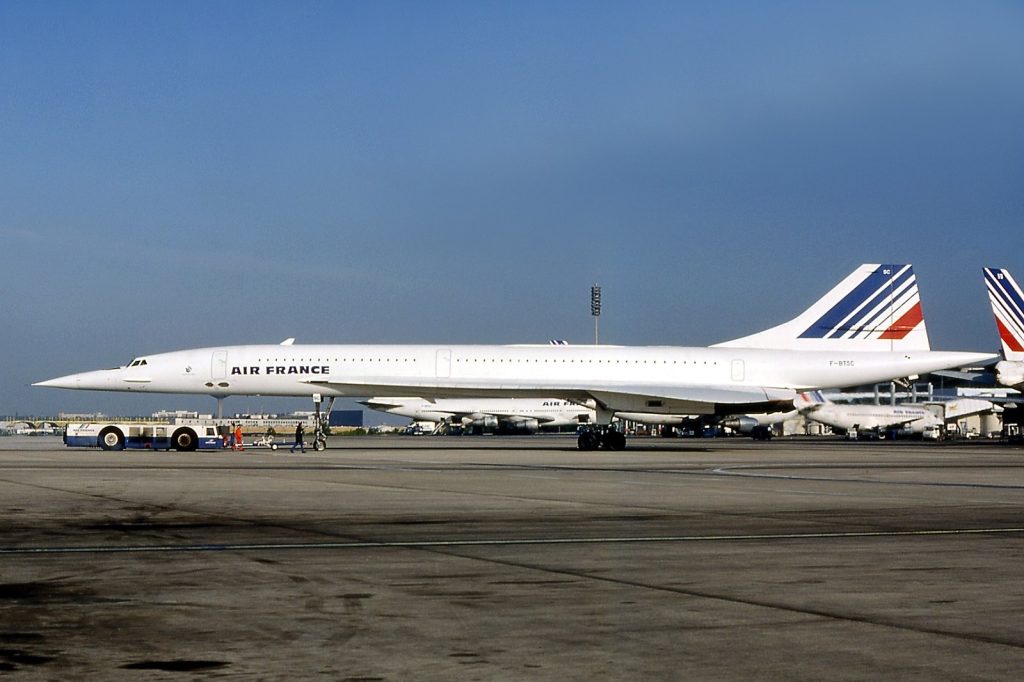
The clearest measure of what the world lost was set on eBay. On October 24, 2003, an Ohio couple reportedly paid $60,000 in an online auction for two seats aboard the Concorde’s last commercial passenger flight — on a route whose roundtrip fare typically ran about $9,000. That premium, paid to cross the Atlantic at twice the speed of sound one final time, is the economic epitaph of supersonic travel: demand was never the constraint.
The Machine Governments Built
Concorde was a joint project of the British and French governments, and it entered commercial service in January 1976. The sleek, delta-winged jet cruised at 1,350 miles per hour and linked New York and London in roughly three and a half hours — a technical achievement that made it a global symbol of speed and luxury. It was also loud, and residents under its flight paths said so for decades. Officials noted the design’s limits even as the brand soared.
The Business Case That Failed
The economics unraveled in stages. On July 25, 2000, an Air France Concorde went down shortly after leaving Paris, with all 109 aboard and four people on the ground killed; the entire fleet was grounded for more than a year. Air France, the only other operator besides British Airways, permanently parked its jets in May 2003. British Airways followed that October, citing rising operating costs and weaker ticket sales. The finale was theatrical: the New York-to-Heathrow flight carried 100 passengers — actress Joan Collins and model Christie Brinkley among them — and a large crowd greeted its arrival, which coincided with a pair of farewell flights out of Edinburgh and over the Bay of Biscay.
The Aftermarket Said Everything
Data shows what the brand was worth once the balance sheet gave up. When the airlines auctioned spare parts shortly after retirement, prices detached from the estimates: a blanket valued at $100 fetched $2,000, a door brought $33,000, and the needle nose commanded $550,000. Collectors, in effect, priced the romance the accountants could not.
The Revival Bids
The successor announcements came in waves. In August 2020, Virgin Galactic announced a partnership with carmaker Rolls Royce aimed at a passenger plane able to fly at three times the speed of sound. In June 2021, United Airlines said it would bring supersonic transatlantic service back with 88-seat jets built by the U.S. start-up Boom Supersonic, cutting flight times in half — London to Newark in three and a half hours. The companies said nothing has changed about the physics; the bet is that materials, engines and premium-cabin economics have changed enough to clear the costs that buried Concorde.
Whether that bet pays is now a trade question rather than an engineering one. The Concorde flew for 27 years of commercial service and exited with crowds at the fence and bidders at the auction. Everything about its exit suggested the market was there. The 2020s revival projects are, at bottom, an attempt to supply it at a price that survives contact with fuel bills — the single line Concorde never managed to make work.
Sources
- The Concorde makes its final commercial flight | October 24, 2003 | HISTORY
- BBC ON THIS DAY | 24 | 2003: End of an era for Concorde




