
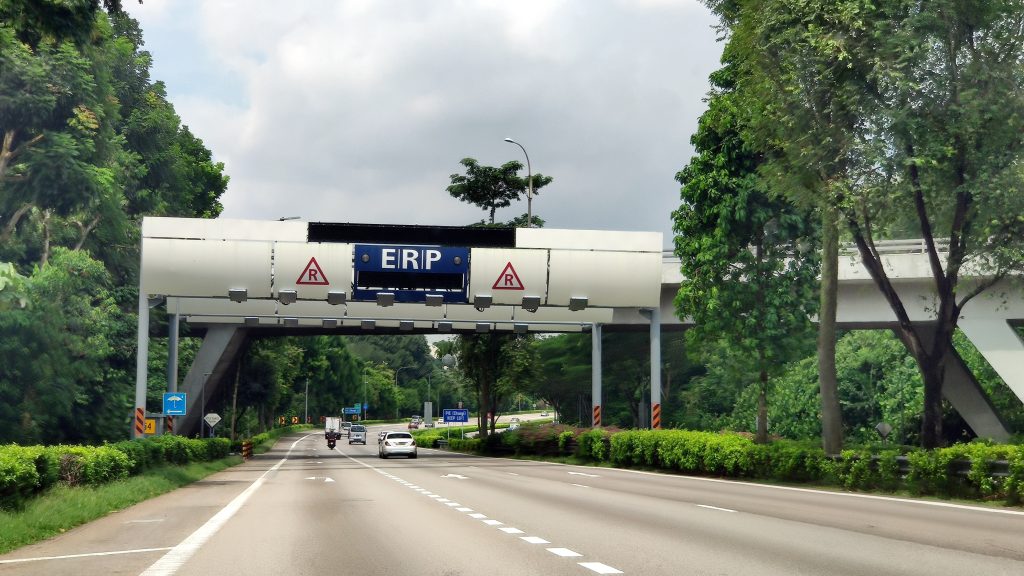
On the first day of Stockholm’s trial in January 2006, about 20 percent of the traffic in the inner city simply disappeared. A road charge had done what years of argument had not.
That is the core of congestion pricing: put a price on road space when demand is highest, and some drivers choose another time, another route, another mode or no trip at all. Economists Peter Van Doren and Dennis Weisman, writing in Cato’s Regulation magazine, frame it as a cost-causation problem. Each extra vehicle on a crowded lane slows everyone else, and drivers do not pay for that lost time. The price has to be paid somehow, they argue, and the only question is whether it is counted in dollars or in minutes.
Stockholm’s reversal experiment
Singapore began congestion pricing in 1975, London in 2003 and Stockholm in 2006, according to the Cato authors. Stockholm is the best-documented case. A case study from Tools of Change describes a seven-month trial from January to July 2006. Before it, 530,000 vehicles crossed the cordon around the inner city each day, and the mayor had promised not to introduce charges. One political leader called congestion charging “the most expensive way ever devised to commit political suicide.”
The results came fast. Traffic fell about 20 percent across the toll cordon, or the equivalent of 100,000 passages a day at peak. Congestion on the main arterials dropped 30-50 percent, and inner-city emissions fell 10-14 percent. About half the drivers who vanished switched to transit. When the trial ended, the charges were switched off and traffic crept back toward its old levels. Voters in Stockholm and 14 of the 25 neighboring municipalities then decided in a referendum, with 53 percent in favor of keeping the charges. The permanent system started in August 2007, and support rose to roughly 70 percent by 2011. The case study put the net social benefit at about €65 million a year.
The off-on-off design matters. Because traffic fell, rose and fell again with the charge, the effect is hard to blame on anything else.
New York, 2025
New York’s Manhattan zone opened on January 5, 2025. Before it, more than 700,000 vehicles entered the district each weekday, according to the Metropolitan Transit Authority, and average speeds were 7 mph. The peak toll with an E-Z Pass starts at $9 for passenger vehicles. The Cato authors cite the Wall Street Journal’s finding that average travel times in the zone fell by 20-30 minutes in January. They also note that the cut was smaller than planners expected: about 44,000 fewer vehicles a day, a drop of 6.3 percent, roughly half of what the MTA predicted. Revenue ran ahead of plan, with $48.6 million in January.
That points to a trade-off. If drivers barely change their behavior, the toll raises money rather than clearing roads. The authors argue the policy is on sound economic ground, but they also note that New York plans to spend the proceeds on MTA transit projects, not to cut other taxes, and that critics distrust the agency’s record on costs. Opposition has come from both parties, from the Trump administration to New Jersey’s governor, Phil Murphy.
Sources
- The Political Economy of Congestion Pricing | Cato Institute, Regulation (Peter Van Doren, Dennis L. Weisman; analysis)
- Stockholm Congestion Pricing | Tools of Change case study




