CHICAGO, July 16 — A July 2023 survey by market research firm IRI found that 62% of U.S. shoppers reported buying more private-label products than they had a year earlier. The shift, driven by higher food prices, has reshaped the competitive landscape of American grocery retailing. Private-label brands — products manufactured by third-party producers and sold under a retailer’s own name — have gained significant ground.
According to NielsenIQ, the private-label market share in U.S. grocery sales reached 23.5% in June 2023, up from 22.1% in June 2022. The increase represents a notable acceleration in consumer preference for store brands over national labels.
Discount retailers capture the traffic
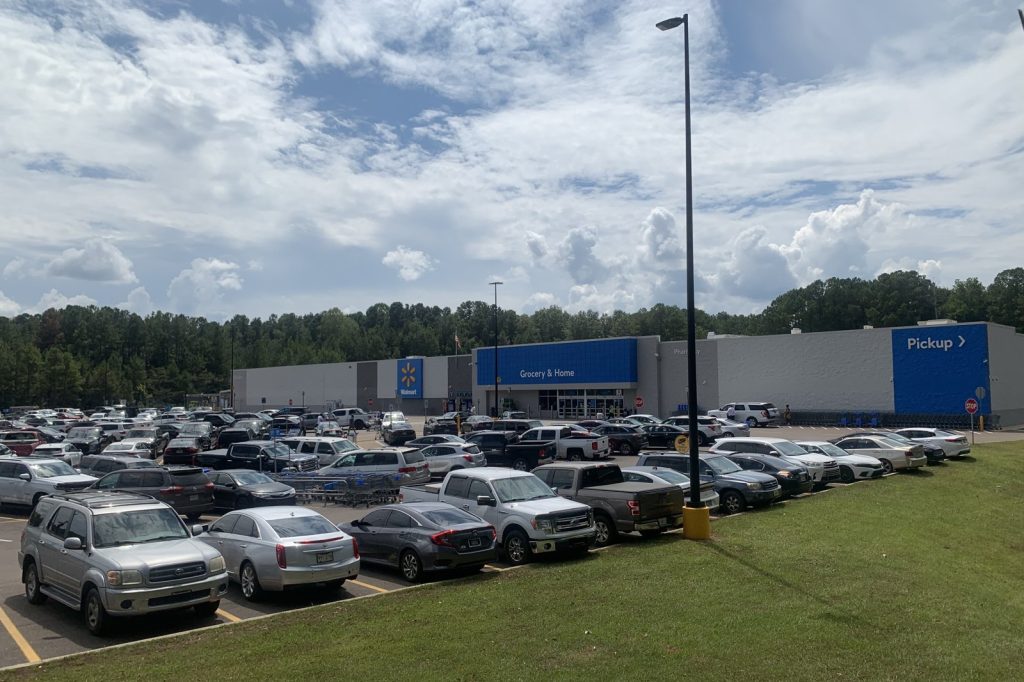
Major discount retailers have reported increased foot traffic as consumers seek lower prices. Walmart reported a 6.4% increase in U.S. comparable store sales for the second quarter of 2023, which ended July 31, 2023. Aldi, the German-owned discount chain that operates more than 2,100 stores in the United States, announced plans in June 2023 to add 120 new locations by the end of that year.
The expansion signals confidence that the shift toward value-oriented shopping will persist. Dollar General has also seen increased foot traffic, according to the source material.
Pressure on national brands
The trend toward private-label purchasing puts direct pressure on national brand manufacturers. When consumers switch to store brands, national brands lose shelf space and market share. Manufacturers must then adjust pricing and promotional strategies to retain customers.
The record shows that the shift is not merely cyclical. The 23.5% market share figure for June 2023 represents a change from the 22.1% recorded in June 2022.
The 12-month increase suggests that many consumers who tried private-label products during the inflationary period have continued buying them. Walmart’s own private-label offerings have benefited from the trend. Aldi’s store brands are central to its low-price business model.
On the timeline, the IRI survey from July 2023 captured consumer behavior during a period when food prices remained elevated.
What to watch next
The question facing national brand manufacturers is whether the private-label gains will hold once inflation eases. Industry analysts are watching whether promotional spending and targeted discounts can win back customers who have grown accustomed to store-brand quality and pricing. For discount retailers, the calculus is simpler: keep prices low and expand store count.
Aldi’s announced 120 new stores for 2023, combined with Walmart’s same-store sales growth, suggest that the value channel is positioned to capture additional market share regardless of macroeconomic conditions.