
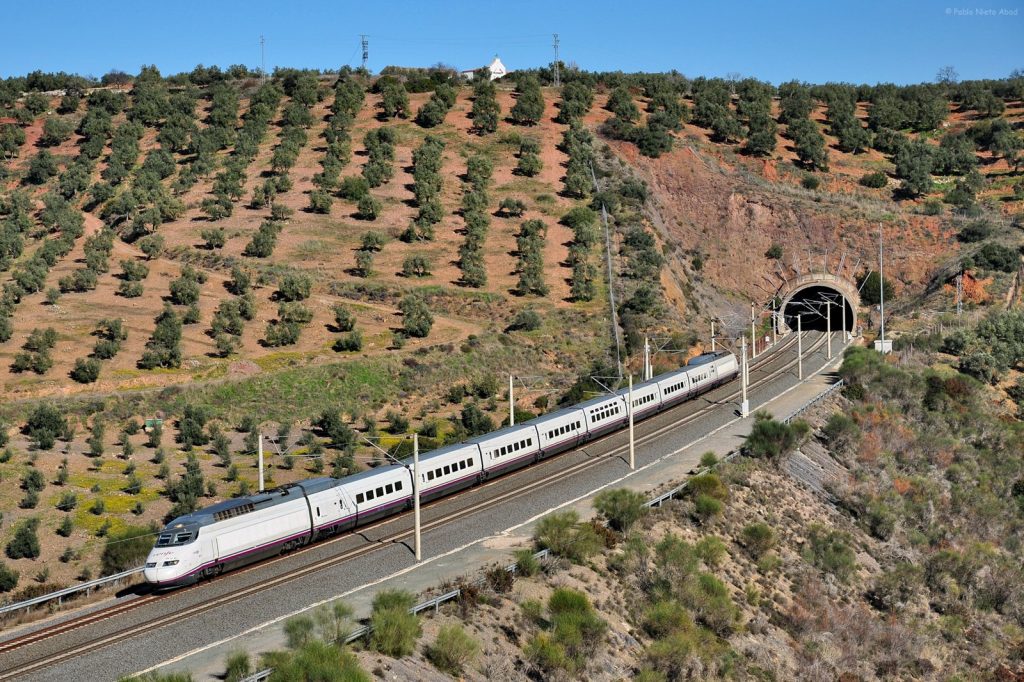
“We must remove the bodies to reach those who are still alive,” fire chief Paco Carmona said as crews cut into crushed carriages near Adamuz, in southern Spain, on Sunday night.
Spanish police said on Monday that at least 39 people were confirmed dead. More than 150 passengers were injured. Two high-speed trains had derailed in the Andalusia region, in one of the country’s deadliest rail accidents in years.
How the collision unfolded
It started shortly after 19:30 local time. A Málaga-to-Madrid train left the rails, and several carriages ended up on the adjacent track. Moments later a Madrid-to-Huelva train hit those carriages and derailed too.
Transport minister Óscar Puente said three carriages from the first train were thrown onto the opposite line. The first train carried more than 300 passengers, the second around 100.
A journalist on one of the trains told RTVE that passengers smashed windows with hammers to get out. Rescue work went on through the night, and a makeshift medical facility was set up in a sports center in Adamuz for the injured.
A worn rail joint
The cause has not been officially identified. Spain’s rail infrastructure operator ADIF and national investigators are examining the site, including the rails and signaling systems.
The Independent, citing Reuters, reported that technicians traced the likely cause to a damaged rail joint, according to a source familiar with the early findings. That source said the fishplate, the metal piece that links two sections of track, showed heavy wear, which pointed to a defect that had existed for a long time. A gap between the rail segments is believed to have widened as trains passed over it again and again.
Puente called the accident “extremely strange.” The derailment happened on a straight stretch that was renovated in May 2025 and was considered to be in “perfect condition,” he said. The first train was only four years old.
The Civil Guard announced that all high-speed service between Madrid and Andalusia would stay suspended for the whole of 19 January.
It is Spain’s deadliest rail accident since the 2013 Santiago de Compostela crash, which killed 79 people. Spain has the second-largest high-speed network in the world.




