Almost a quarter of European airline pilots say they usually keep flying when fatigue should have grounded them. Three in four had at least one microsleep at the controls in the previous four weeks. Those are the headline figures from a survey of nearly 7,200 captains and first officers by the European Cockpit Association (ECA), conducted in August.
Why the reporting system fails
European rules require airlines to run systems that identify, monitor and manage crew fatigue. On paper, that should catch the problem. The catch is that pilots do not trust the system. Just 11.9% said they trust their airline’s fatigue reporting, and almost half fear negative consequences from management if they declare themselves unfit.
So they stay quiet. Only one in three pilots usually reports being unfit when tired, and 16.8% call in sick instead. Half admitted operating a flight in the previous three months when they should have declared themselves too fatigued to fly. More than a third said they do not get enough rest to stop fatigue building up over time.
Captain’s discretion under pressure
Commander’s discretion lets a captain extend crew duty or shorten rest in exceptional circumstances. Nearly two in five pilots said they had used it at least once in the month before the survey. Nearly 70% said they worried about refusing a duty extension, which suggests a tool meant for rare cases comes with real pressure. Pilots at low-cost and wet-lease operators, and at airlines registered in Ireland and Malta, reported the greatest concern. Only 15.6% of pilots at low-cost carriers thought their airline managed fatigue risks well, against 18.6% at ACMI or wet-lease operators.
Country by country
The spread between states is wide. Two in five pilots at Spain-based airlines said they usually fly when fatigued, as did about a third at carriers based in Ireland and France. At UK-based airlines the figure was one in ten. Ireland and Malta also recorded the highest levels of microsleeps and the strongest fear of reprisals, and the lowest trust in reporting.
Ian Holder, managing director of the safety consultancy Baines Simmons, pointed to Finland and the Netherlands as proof that stronger reporting cultures are achievable. He stressed that the survey captures pilots’ own experience, not a direct measure of safety outcomes. But the results have been consistent for three years, he said, and that points to areas that need attention.
What fatigue costs
The International Civil Aviation Organization describes fatigue as a physiological state of reduced mental or physical performance. It has been estimated to play a part in 4 to 7% of civil aviation incidents and accidents. In 2016, Robert Sumwalt of the US National Transportation Safety Board said fatigue had been linked to 250 deaths in air carrier accidents over the previous 16 years.
ECA President Tanja Harter wants the European Union Aviation Safety Agency to tighten fatigue rules and to check that airlines provide non-punitive reporting and use commander’s discretion properly. “Waiting for another three years to discover that nothing has changed is simply not an option,” she said.
Sources
- Pilot fatigue
- Almost a quarter of European airline pilots fly when too fatigued to work
- 24% of European pilots fly despite fatigue — The Guardian
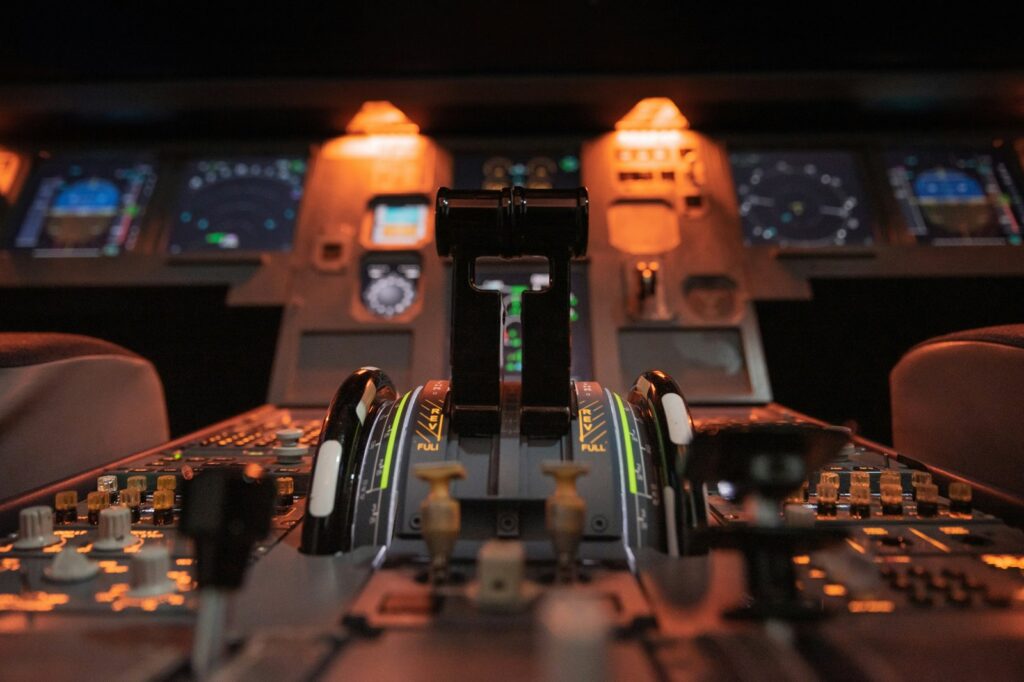
Photo: Moritz Mentges / Unsplash (Unsplash License)