
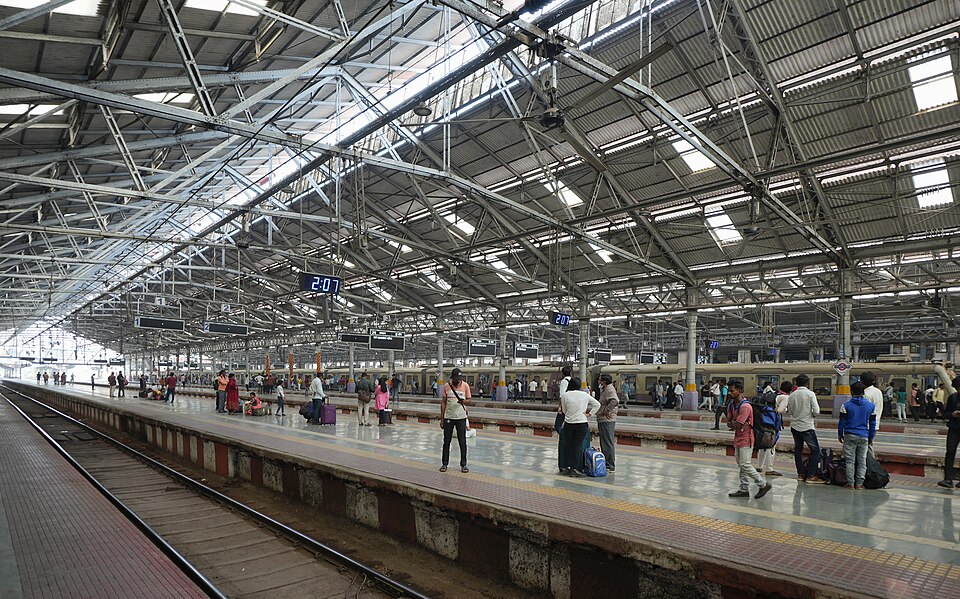
Engineering Work Disrupts Main and Harbour Lines
On the Main Line, the mega block will close the UP and DOWN slow lines between CSMT and Vidyavihar from 10:55 a.m. to 3:55 p.m. During that period, DOWN slow services that depart CSMT between 10:48 a.m. and 3:45 p.m. will be diverted to the DOWN fast line between CSMT and Vidyavihar. Railway officials said those diverted trains will make stops at Byculla, Parel, Dadar, Matunga, Sion, and Kurla before returning to the slow line at Vidyavihar. The railway statement did not provide exact timings for the Harbour Line block, only that it will affect services between CSMT and Chunabhatti or Bandra. To ease the impact on passengers, the railway has announced it will operate special train services between Panvel and Kurla throughout the block period. Harbour Line commuters will also be permitted to travel on Main Line and Western Railway services between 10 a.m. and 6 p.m. on Sunday, according to the announcement.
The Central Railway’s decision to coordinate cross-network access reflects the scale of the disruption. Mumbai’s suburban rail network is among the busiest in the world, carrying millions of passengers each day. Even a single day of maintenance affects a large share of daily riders, so such measures are designed to minimize inconvenience while allowing crews to perform engineering work that would be difficult to carry out during normal operations.
Planning for Safety on a Historic Network
Mega blocks are a common practice across Indian Railways, used as planned maintenance windows during which sections of track are closed to routine traffic. These periods allow for safety upgrades, track repairs, and other essential work. The constant need to maintain aging infrastructure is a central challenge for the Central Railway, which operates a network that traces its roots to the earliest days of rail travel in India.
The Central Railway zone was formally created in 1951 by merging several government-owned railways, including the Scindia State Railway and the Nizam State Railway. Its origins, however, go back further: the Great Indian Peninsula Railway opened India’s first passenger line in 1853, linking Mumbai to Thane. That pioneering route later became part of the Central Railway. Today, the Central Railway is one of 18 zones of Indian Railways, with its headquarters in Mumbai. It operates the suburban train network that connects distant neighborhoods to the city’s financial and commercial districts, serving as a backbone of Mumbai’s transit system.
For commuters, a mega block means longer travel times and altered routes. The railway runs special services and allows cross-network travel to ease the disruption. Sunday’s announcement was made alongside other Mumbai news, including a BEST bus crash, Comptroller and Auditor General fiscal warnings, and Metro ridership reaching new highs, according to local reports. The maintenance reflects a broader reality: keeping the system running safely requires periodic, carefully planned disruptions that affect tens of thousands of passengers. The Central Railway’s actions on July 13 will demonstrate how the agency balances operational demands with the safety of one of the world’s busiest rail corridors.
{“@context”: “https://schema.org”, “@type”: “NewsArticle”, “headline”: “Engineering Work Disrupts Main and Harbour Lines on Thursday”, “description”: “Engineering Work Disrupts Main and Harbour Lines On the Main Line, the mega block will close the UP and DOWN slow lines between CSMT and…”, “datePublished”: “2026-07-11T09:30:00+00:00”, “author”: {“@type”: “Person”, “name”: “Maria Romano”}, “publisher”: {“@type”: “Organization”, “name”: “InfoPulse Today”, “url”: “https://newsfeed.infopulsetoday.com/”}}




