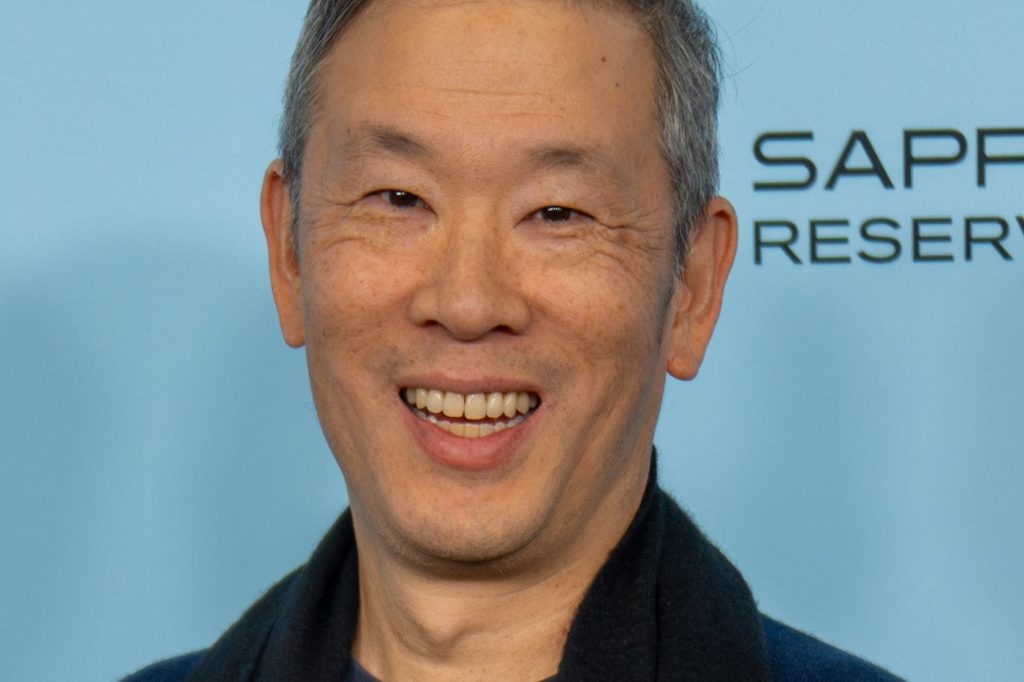
SAN DIEGO, July 15 — When Jonathan E. Lim founded Erasca in 2018, he was already carrying a track record that biotech investors tend to remember. The company he co-founded before it, Ignyta, had been acquired by Genentech — a member of the Roche Group — in December 2017 for $1.7 billion.
That sort of exit tends to focus the mind. Erasca is now seven years old.
The company’s headquarters sit in San Diego, California, with additional research facilities in South San Francisco. As of early 2025, it employed approximately 150 people. Lim serves as both Chairman and Chief Executive Officer.
The RAS Problem
The technical reality of Erasca’s mission is that it is going after one of the most stubborn targets in oncology: the RAS family of proteins. Mutations in RAS genes drive roughly a third of all human cancers, yet for decades the protein was considered “undruggable” by conventional small-molecule approaches. Erasca’s scientific co-founders read like a who’s who of the field.
Dr. Kevan Shokat, a professor at the University of California, San Francisco, is a leading expert in RAS biology. Dr. Frank McCormick, also a UCSF professor, is a pioneer in RAS research.
Dr. Charles Sawyers, a professor at Memorial Sloan Kettering Cancer Center and a Howard Hughes Medical Institute investigator, brought deep expertise in cancer resistance mechanisms. The detail that matters is that Lim himself is not a scientist by primary training. He is a seasoned biotechnology entrepreneur and former venture capitalist.
Before Ignyta and Erasca, he also co-founded Samumed, LLC, a regenerative medicine company. The pattern is one of building platforms around fundamental biology, then steering them toward clinical validation.
Under the Hood
Under the hood, Erasca’s strategy is to hit RAS from multiple angles simultaneously. The company has built a pipeline of small-molecule inhibitors targeting various RAS mutations, as well as upstream and downstream nodes in the signalling pathway. The idea is that cancer will find a way around a single blockade, so you need to throw up several walls at once.
As ever in precision oncology, the devil is in the genetic detail. Different tumour types carry different RAS mutations, and the drugs have to be matched to the mutation.
Erasca’s lead programmes have focused on KRAS G12C, the mutation that Shokat’s foundational work first made targetable, but the company has also pursued KRAS G12D and other variants. Lim’s background as a venture capitalist — he was a partner at a life sciences venture firm before founding Ignyta — gives him a particular lens on the capital-intensive reality of drug development. Erasca has raised substantial venture and public financing since its founding, though the source material does not specify the amounts.
What to Watch
The next phase for Erasca will be clinical data readouts. The company has several programmes in early- to mid-stage clinical trials. For a biotech of this size — 150 people is lean for a company running multiple Phase 1 and Phase 2 studies — the margin for error is thin.
A single disappointing data point can shift the narrative sharply. What to watch next: whether Erasca’s multi-target strategy produces efficacy that outperforms the first-generation KRAS inhibitors now on the market, and whether the company can build a durable commercial franchise around RAS.
Lim has done it once with Ignyta. The question is whether he can do it again with a target that has been humbling researchers for four decades.