
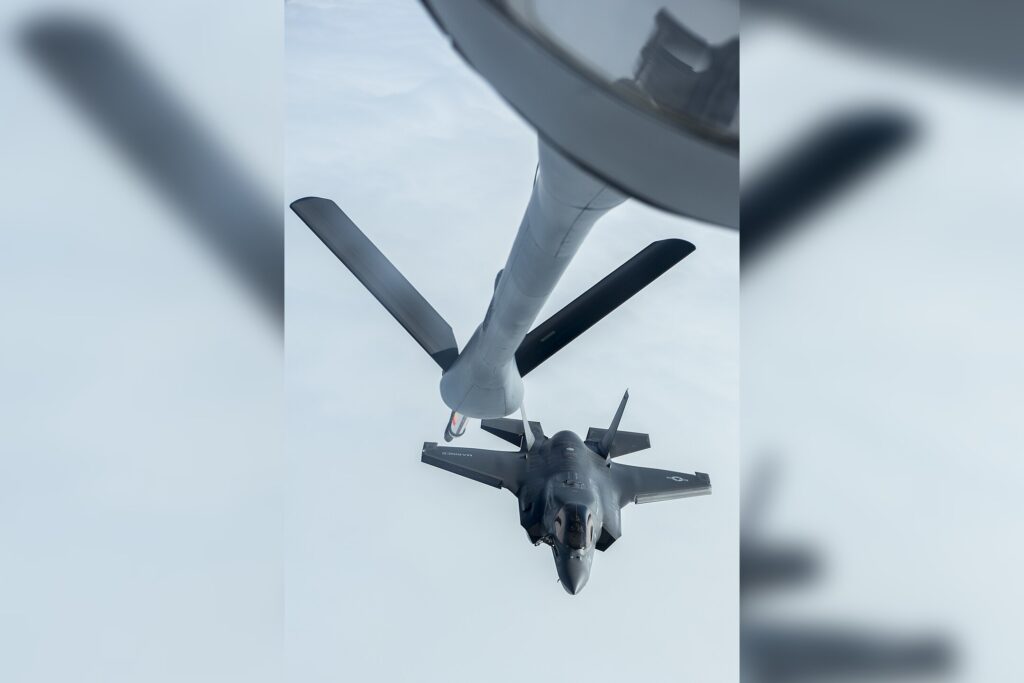
A cockpit canopy and a weapons-bay door from an Australian F-35 never reached the United States. According to people briefed on the matter who spoke to Bloomberg, the parts were diverted to Hong Kong on a United Parcel Service flight and then taken by the Chinese government. Both had been treated with radar-absorbing material to preserve the jet’s stealth performance. They had been sent in late May so US engineers could examine them and then either repair or scrap them.
The reports surfaced while President Donald Trump was hosting Xi Jinping on a state visit in Washington. Senator Tom Cotton, the Republican who chairs the Senate intelligence committee, wrote to Defense Secretary Pete Hegseth. The Pentagon, he said, “relies extensively on contractors and commercial carriers to move military equipment, replacement parts, and vital supplies around the world,” and those contractor-managed supply chains now deserve a hard look.
What Cotton wants checked
“We can’t afford for US military equipment to fall into the hands of a foreign adversary because of vulnerabilities in commercial transportation,” he wrote. Classified and sensitive components should get heightened protection, he added, but any US military material can give adversaries insight into weapons systems, logistics and readiness.
His letter asks for a review of chain-of-custody requirements when military items ship commercially, and an assessment of whether the Pentagon can track routing and location in transit. He also wants an evaluation of the standards for letting gear move through foreign jurisdictions, with protections to keep military materiel from passing through or being redirected to China and other areas under adversary control. Senator Mark Warner of Virginia, the committee’s top Democrat, asked the Pentagon for a briefing on the episode.
Lockheed and UPS respond
Lockheed Martin, which builds the F-35, said its logistics decisions “are not made unilaterally.” The US government designates the approved transportation options, it said, and Lockheed picks the carrier that best fits those government parameters. UPS has repeatedly declined to comment.
The F-35 is widely regarded as the most advanced fighter jet and is the priciest US defense program on record. Commercial shipping is woven deep into defense logistics, so any tightening of rules on routing, custody or approved carriers could change contractor processes and shift costs for freight operators.




