
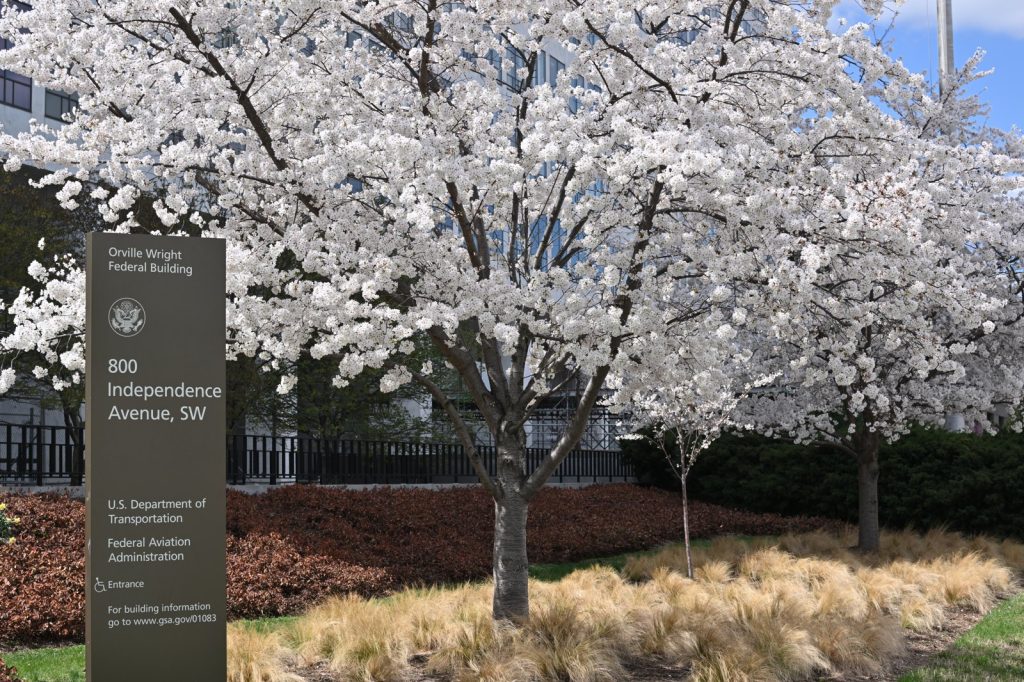
A frantic search for the missing crew of a Boeing 737 is unfolding at the same time the Federal Aviation Administration warns that America’s skies are about to become far more crowded, placing the nation’s aviation system under a dual strain as the peak summer travel season arrives. Officials have confirmed that the wreckage of the 737 has been located, though details about the location and circumstances of the crash remain limited this hour.
The search for the missing crew continues, and the FAA, as the primary U.S. aviation regulator, would likely play a role in any investigation that follows.
Agency Under Pressure on Multiple Fronts
The Federal Aviation Administration, the U.S. government body that regulates civil aviation and manages air traffic control across the nation and over nearby international waters, is confronting an exceptionally challenging period. The agency was established in 1958 as the Federal Aviation Agency, taking over from the Civil Aeronautics Administration, and was renamed in 1967 when it joined the newly created Department of Transportation. Its authority extends beyond U.S. borders under delegation from the International Civil Aviation Organization.
The FAA’s duties reach well beyond traffic control: it certifies pilots and aircraft, sets airport standards, oversees commercial space launches, runs environmental programs to limit aircraft noise, and continues to modernize navigation through its NextGen effort. These broad responsibilities mean that any strain on the agency touches nearly every flight.
For years, the FAA has flagged persistent staffing shortages among air traffic controllers and the challenges posed by aging infrastructure. Those underlying problems now compound the seasonal pressure. Controllers work under intense pressure each day, managing the safe separation of thousands of aircraft in some of the busiest airspace in the world.
The combination of peak summer demand and a stretched workforce creates conditions where delays become almost certain.
Summer Travel Surge Intensifies
July traditionally brings the year’s heaviest air traffic, and the FAA is bracing for what it describes as a major crunch. The agency’s air traffic control system already handles more than 45,000 flights every single day across the United States. That volume is expected to climb sharply as summer vacationers take to the skies.
This is not the first time the FAA has raised concerns about the approaching surge — the agency has previously warned of staffing shortfalls and aging infrastructure that threaten system reliability. The warning about summer congestion comes at a delicate moment.
The FAA has long struggled to maintain adequate staffing levels at control towers and radar facilities nationwide, a problem that has drawn scrutiny from lawmakers and aviation safety advocates alike. As July progresses, passengers flying through U.S. airports should expect longer lines and potential schedule changes. The FAA’s warning suggests that the system will be tested to its limits during the busiest travel periods.
The agency has not announced specific measures to address the anticipated congestion, but its public warning signals that it expects the situation to be serious. Whether additional resources will be deployed to manage the surge remains to be seen.
Ongoing Search and Broader Implications
Adding to the gravity of the moment, officials are now dealing with the discovery of a Boeing 737 wreckage. The search for the missing crew is described as frantic, though details beyond the location of the wreckage have not been released. The FAA, as the primary aviation regulator in the United States, will likely participate in any investigation that follows. For now, the search continues, and the FAA’s summer travel warning stands as a reminder of the broader pressures facing the aviation system.
The coming weeks will test the resilience of the U.S. aviation system, with consequences that will be felt by travelers far beyond American borders. The agency’s dual crisis — managing a record summer surge while overseeing a major accident investigation — highlights the depth of challenges that lie ahead for the nation’s air travel infrastructure.
{“@context”: “https://schema.org”, “@type”: “NewsArticle”, “headline”: “Wreckage Found as FAA Faces Dual Strain in Summer Skies”, “description”: “WASHINGTON, July 10 — A frantic search for the missing crew of a Boeing 737 is unfolding at the same time the Federal Aviation Administration…”, “datePublished”: “2026-07-10T09:30:00+00:00”, “author”: {“@type”: “Person”, “name”: “Ava Anderson”}, “publisher”: {“@type”: “Organization”, “name”: “InfoPulse Today”, “url”: “https://newsfeed.infopulsetoday.com/”}}




