
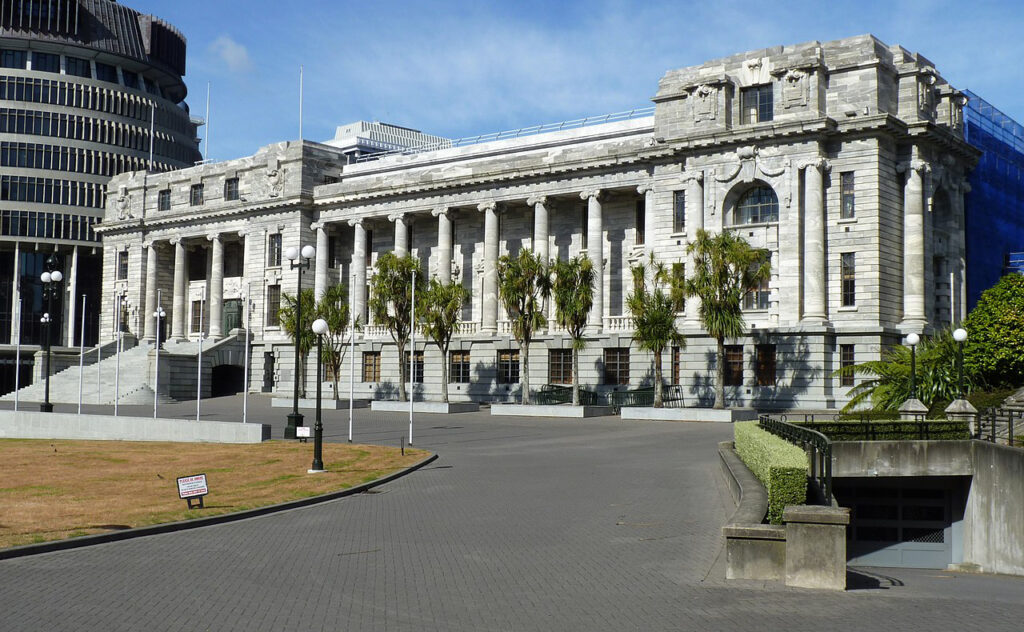
Farmers in New Zealand hold nearly one in twelve seats in Parliament despite representing roughly one in forty citizens, a ratio of more than three to one that underscores the enduring political weight of agriculture in a trade-dependent economy. Data compiled by Dr Jacqueline Rowarth reveals that as of 2023, the farming population had fallen to approximately 2.5% of New Zealanders, yet farmers still accounted for 8% of all members of Parliament.
That disparity, though narrower than in the mid-twentieth century, remains stark: between 1951 and 1963, farmers made up 11% of the population but held 34% of parliamentary seats. Dr Rowarth notes that the term “disproportionate” is often used in this context, and the numbers back that description.
Historical Roots of Rural Political Power
New Zealand’s political landscape has long reflected the central role of farming in national life. European settlement in the nineteenth century transformed the land through large-scale agriculture, establishing sheep farming as the backbone of the economy by the late 1800s. The colony relied on wool and meat exports to Britain, embedding rural interests in government policy and representation.
After the Second World War, dairy expanded rapidly, reinforcing farming’s political weight as the country rebuilt its trade relationships. By the mid-twentieth century, rural communities were not just economic drivers but also political strongholds, shaping laws on land use, trade, and resource access.
This tradition persisted even as urban populations grew and farming’s share of the workforce steadily declined. New Zealand’s geography—shaped by tectonic forces and volcanic activity—has made fertile lowlands scarce and water resources precious, further reinforcing the strategic importance of farming in national policymaking.
Current Disparity and Its Policy Implications
Today, New Zealand’s economy remains heavily dependent on agricultural exports—especially dairy, meat, and wool—with major shipments to China, the United States, and the European Union. Any policy shift on water rights, methane emissions, or trade access directly hits farm gate returns and, by extension, the national balance of payments.
The current government, led by Prime Minister Christopher Luxon, includes several ministers with farming backgrounds. The coalition agreement with ACT New Zealand and New Zealand First also gives rural constituencies a strong say in resource management reform. Dr Rowarth’s analysis does not prescribe a solution, but it makes clear that the gap between population share and parliamentary share has narrowed since the 1950s, even as the absolute number of farmers has fallen.
Critics argue that the over-representation of rural voices can slow action on environmental regulation. Supporters counter that food production is too strategic to leave to urban politicians who may not understand seasonal cycles or global commodity price swings.
As global buyers demand lower environmental footprints and cleaner supply chains, the balance between productivity and sustainability grows more consequential. For Central Asian observers watching New Zealand as a model for agricultural trade policy, the question is whether this political weight helps or hinders the sector’s long-term competitiveness. The answer will shape how Wellington negotiates its next round of export access deals, with implications that extend from Auckland to Almaty.
The current government’s rural-focused policies signal that this tension will continue to define New Zealand’s path forward.
{“@context”: “https://schema.org”, “@type”: “NewsArticle”, “headline”: “Farmers hold outsized political power in New Zealand Parliament”, “description”: “WELLINGTON, June 25 — Farmers in New Zealand hold nearly one in twelve seats in Parliament despite representing roughly one in forty citizens, a ratio…”, “datePublished”: “2026-06-25T09:30:00+00:00”, “author”: {“@type”: “Person”, “name”: “Merry Gel Sigui”}, “publisher”: {“@type”: “Organization”, “name”: “InfoPulse Today”, “url”: “https://newsfeed.2bme.xyz/”}}




