
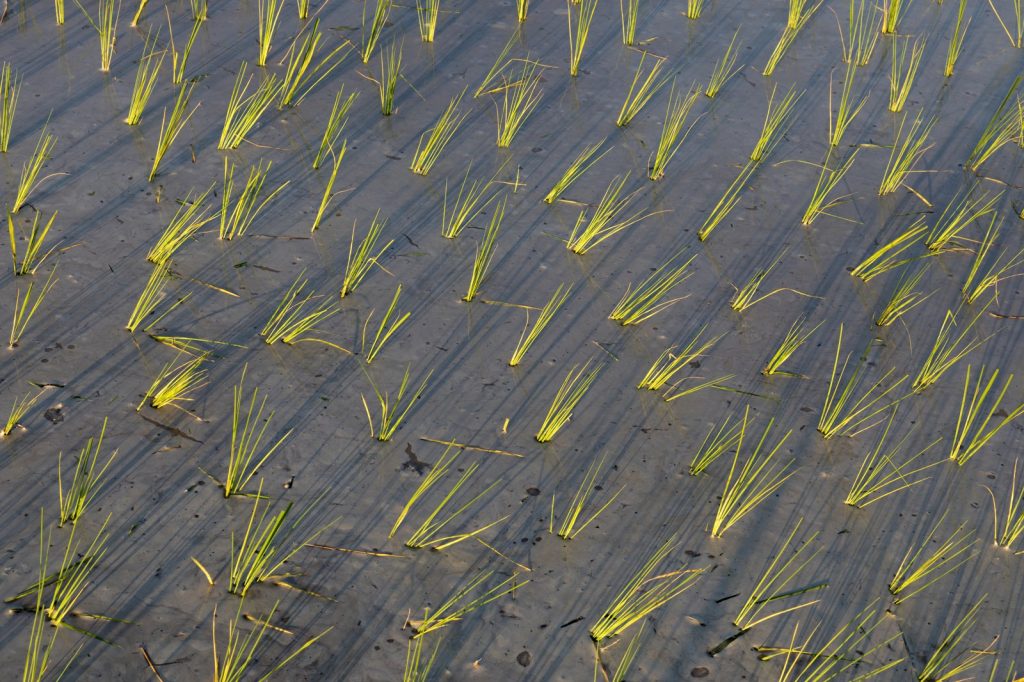
The verified development first: with El Niño conditions and a rainfall deficit possible this year, the administration of Kakinada district in Andhra Pradesh has begun an awareness campaign among farmers about what is coming. According to the statement from district collector Harendhira Prasada, “The government is keen on protecting and promoting agriculture, horticulture, aquaculture and other primary sectors while encouraging farmers to adopt suitable cultivation practices”. Officials confirmed the advisory effort is aimed at the agriculture sector specifically, before the season tests it.
The directive itself is a move away from a single staple: the collector said “farmers, particularly in upland areas, were being encouraged to cultivate pulses and horticultural crops rather than depending entirely on paddy”, the collector said, and he advised growers to diversify income by growing vegetables or other quick crops on the field bunds that border their paddy. To make the shift practical, the government has put “22 varieties of short-duration pulses available for cultivation during the current season”, which lets farmers bring in additional income on a shorter cycle than a full paddy crop. On inputs, the collector said farmers should take the advice of agriculture officials before applying fertilizers and pesticides, and the government is “monitoring fertilizer supply to discourage excessive usage”.
Water sets the clock. At the Yeleru reservoir, the collector said, “water levels were currently low and expected to improve by August”, and until then farmers were advised to plant short-duration pulses matched to the water they actually hold. The district is also backing natural farming and the practice of pre-monsoon dry sowing, and growers were urged to turn to the Rythu Seva Kendrams, the farm service centers, for technical guidance on protecting yields.
The strategic context: Kakinada is not an isolated case. A month earlier, and one state over, Telangana’s government prepared the same pivot, planning to “steer farmers away from large-scale paddy cultivation this Kharif season” and toward “less water-intensive, short-duration crops that can better withstand rainfall fluctuations and secure farmer incomes”. The record shows the scale of that decision: Telangana’s Kharif plan spans 1.31 crore acres, paddy has traditionally taken nearly half of it, and this year officials aim to hold it to 35 lakh acres, “far below the usual 65 lakh acres”. The promoted substitutes are red gram, soybean, groundnut and sesame, plus sunflower and safflower, with departmental estimates putting maize at 5.4 lakh acres, red gram at 5.1 and soybean at 4.1, and marketing infrastructure is being strengthened to enable “direct farm-to-market sales to help farmers secure better prices and reduce middlemen”. The same logic governs both states’ advice on paddy itself: “paddy cultivation is being advised only in command areas with assured irrigation capable of sustaining the crop through Sept”, because experts “warn that prolonged dry spells in July and Aug could severely impact crops dependent on continuous water supply”, and growers who persist are told to prefer “coarse varieties over fine-grain types”, which drink less, ripen faster and cost less to raise.
What the record shows, read plainly, is two administrations reading one forecast the same way and moving before it arrives. Neither claims certainty about the monsoon; both are pricing the risk into crop choices now rather than negotiating with a failed harvest later. Telangana’s officials put the objective in one line: “Reduce farmers’ exposure to weather-related losses while ensuring stable incomes through diversified cropping patterns”. For Kakinada, the test arrives on its own schedule: the Yeleru reservoir is low, August is the promised turning point, and the farmers who took the pulse varieties rather than the long paddy cycle will know first whether the forecast, and the advice, were right.
Sources
- Kakinada Steps Up Awareness To Mitigate El Niño Impact
- Telangana plans crop shift amid El Nino concerns | Hyderabad News – The Times of India




