
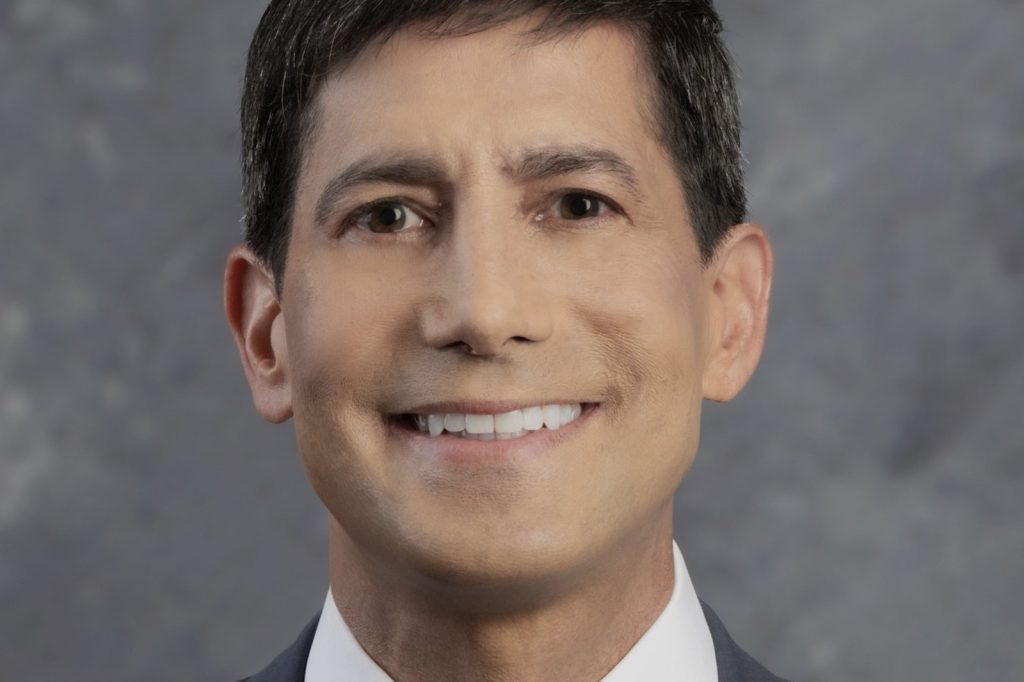
WASHINGTON, September 17 — The Federal Reserve raised its benchmark interest rate by a quarter-point on Wednesday, the first rate hike since the summer of 2023, lifting the target rate to a range of 3.75% to 4.00%. The bottom line: the central bank is back in tightening mode, and it says it isn’t done. The move, announced by Fed chair Kevin Warsh, aims to bring inflation closer to the central bank’s 2% target.
Inflation has remained above that target for more than five years. The Labor Department reported Friday that consumer prices rose 3.4% in August compared to a year earlier, while the monthly increase quadrupled from July to hit 0.4%.
What the Fed is trying to do
The Fed’s goal is to slow consumer and business spending by raising the cost of borrowing, thereby reducing demand for homes, cars and other goods and services, eventually cooling the economy and reducing upward pressure on prices. Warsh, who has served as Fed chair since May, has assured Congress that central bank policymakers “have no tolerance for persistently elevated inflation.” Speaking to reporters Wednesday after the Fed’s meeting, Warsh argued that the rate hike will benefit lower-income Americans because they are hurt most by higher prices.
“The least well off are the ones that have the most to gain from stable prices,” he said. “The decision we made today was the right decision to deliver on the remit that Congress gave us to ensure stable prices.”
Borrowers and savers
The hike will likely make it even costlier to borrow for homes, autos and other purchases. Anyone borrowing money to make a sizable purchase, such as a home, car or large appliance, will likely take a hit eventually. The new rate will also increase monthly payments and costs for any consumer who is already paying interest on credit card debt.
Matt Schulz, chief consumer finance analyst at the online loan marketplace LendingTree, said the single increase is modest on its own. “The reality is that a single quarter-point rate increase isn’t really going to have a huge impact,” Schulz said.
But it would be different if Wednesday’s hike marks the first in a series of rate increases. “When this all becomes impactful to people is when you stack a few these on top of each other over time, and it adds up to something bigger,” Schulz said. Fed policymakers signaled Wednesday that they expect to hike the benchmark rate again this year — to 4.1%.
For now, U.S. household debt payments are relatively low overall as a percentage of after-tax income. So even if borrowing rates rise, many households might not feel a heavier debt burden immediately.
For savers, Wednesday’s move probably means interest rates on savings accounts and certificates of deposit are headed higher. The Fed doesn’t set rates on savings accounts and CDs but it “sets the tone” for them, the credit reporting agency Experian says. When the central bank started raising rates to combat an outbreak of inflation in March 2022, the average rate on a 1-year CD was stuck at 0.15%, according to FDIC data published by the Federal Reserve Bank of St. Louis.
The rate shot up to 1.88% by September 2024 and has remained above 1.5% ever since. It was 1.71% last month. Online banks and others that offer high-yield savings accounts typically compete aggressively for depositors, though they sometimes require significantly larger deposits.
Mortgages don’t follow the Fed
Mortgage rates don’t necessarily follow what the Fed does. At least not directly. They tend to track the yield on 10-year Treasury notes instead.
Unfortunately for home shoppers, 10-year yields have been surging. On Monday they topped 5% for the first time since 2023 due to unease over surging energy prices and massive government debt that continues to grow.
Treasury yields have continued to rise despite an intervention from the Treasury after Secretary Scott Bessent ordered action. Investors will note that the figure that matters next is 4.1% — the level Fed policymakers have penciled in for the benchmark rate by year’s end. Whether they get there, and how fast, is now the question driving both bond yields and the cost of household credit.




