
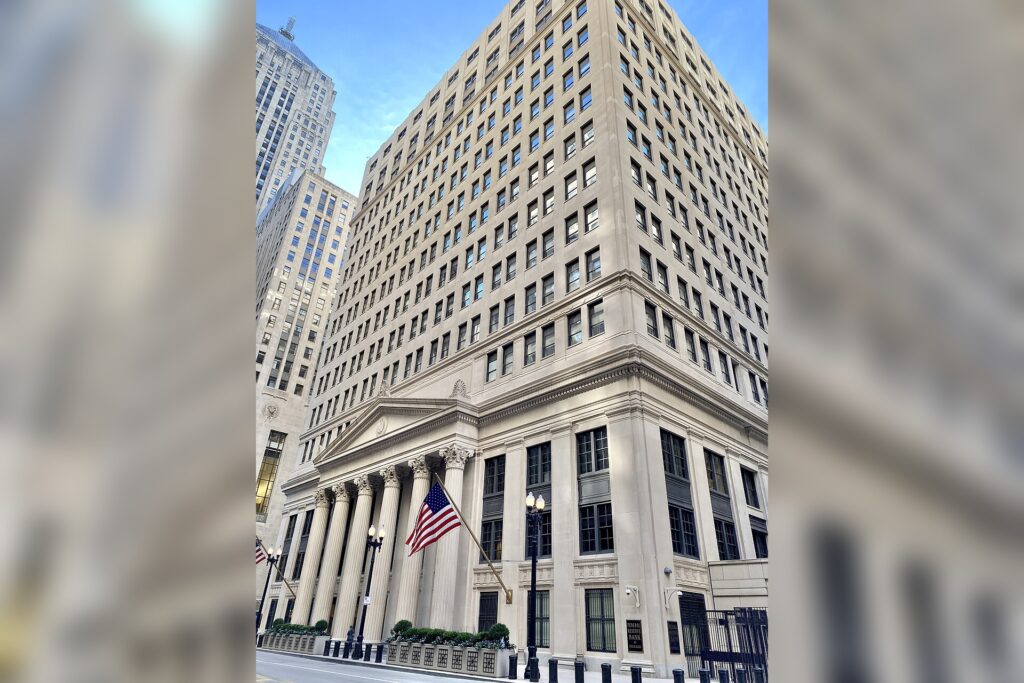
The Federal Reserve held its benchmark rate at 3.75% to 4.00% at its October 2026 meeting. It came a month after a quarter-point increase in September, the first hike since 2023.
The hold matched what markets expected. Two policymakers, though, wanted another quarter-point rise and voted that way.
What the Fed said
In its statement, the central bank said economic activity is expanding at a strong pace. Uncertainty remains elevated, it said, in part because of geopolitical developments, but domestic spending has been resilient. Job gains have kept pace with the workforce, and the unemployment rate has changed little. Inflation “remains elevated.”
Policymakers added that gathering more information will help the Committee settle on the policy stance needed to bring inflation back to its 2% goal in a timely way. The Committee, the statement said, will deliver price stability.
Chair Warsh also announced a change in how the Fed will work from 2027: it will reduce the number of policy meetings at which members vote on interest rates.
Where the rate sits historically
Trading Economics lists the benchmark rate as last recorded at 4 percent. Since 1971 it has averaged 5.38 percent. The peak was 20.00 percent in March 1980, and the record low of 0.25 percent came in December 2008.
Looking forward, Trading Economics models and analyst expectations put the rate at 4.25 percent by the end of the current quarter. The same models project about 4.25 percent in 2027 and 4.00 percent in 2028. These are forecasts from the data provider, not Fed guidance.
Responsibility for setting rates in the United States is split. The Board of Governors decides changes to discount rates after recommendations from one or more regional Federal Reserve Banks. The Federal Open Market Committee handles open market operations, including the desired level of central bank money or the target federal funds market rate.




