
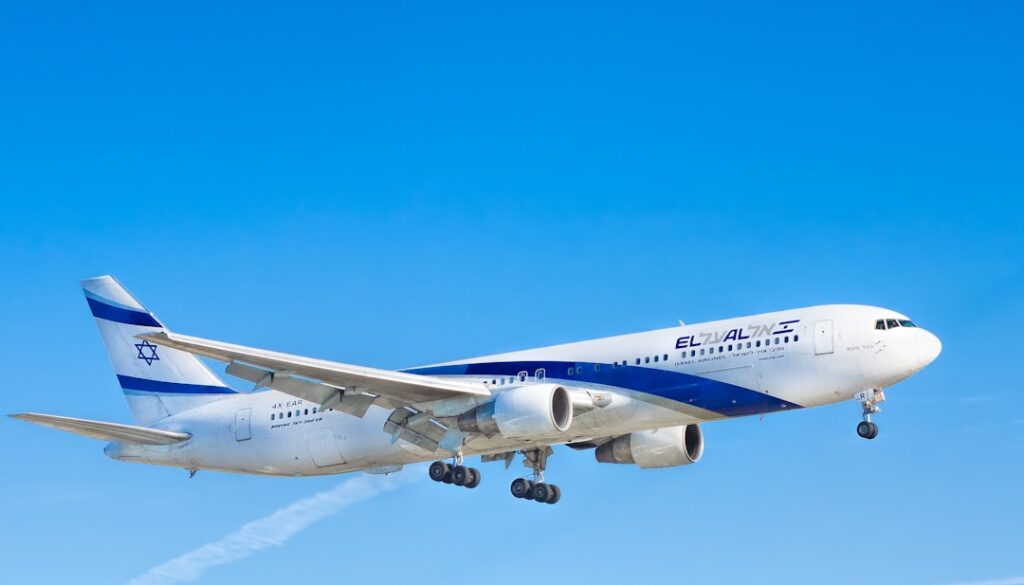
On May 8, 2024, a FedEx Boeing 767 touched down at Istanbul Airport without its front landing gear deployed. Airport emergency crews had already positioned themselves in advance, with foam applied to the runway, fire trucks stationed nearby, and ambulances on standby. The landing concluded without any injuries or fatalities, marking a successful outcome from a mechanical failure.
The aircraft involved was a 767-300F freighter variant, which entered service in October 1995. This model was designed specifically for cargo operations, featuring no passenger windows, a large cargo door, and reinforced floor beams. FedEx operates a substantial fleet of these freighters, which move parts, packages, and perishables across long distances as part of the global supply chain.
The Boeing 767 program began as the 7X7 in July 1978, intended to fill a mid-size wide-body gap between the 757 and 747. The first variant, the 767-200, made its initial flight on September 26, 1981, and received certification on July 30, 1982. United Airlines put the first 767-200 into service on September 8, 1982. Subsequent iterations included the 767-200ER in 1984, the stretched 767-300 in October 1986, and the 767-300ER in 1988. Each version added range or capacity based on airline and cargo operator requirements.
Mechanical failures in aircraft are not simply a function of age. The 767 has a long record of reliability, with the 767-300ER becoming the most popular variant. Failures typically result from something being overlooked—a latch pin, a hydraulic line, or a sensor. Every mechanical system has an inherent failure rate, and maintenance procedures are designed to catch issues before flights. In this instance, the nose gear remained retracted, leaving the crew no option but to land without it.
The investigation will follow standard procedure. Investigators will retrieve the flight data recorder, interview the mechanics who last serviced the nose gear, and examine the maintenance logs for the specific aircraft. Once the root cause is identified, a bulletin will be issued to all 767 operators, requiring part replacements, assembly inspections, or procedure changes. The industry responds quickly to such findings because the next failure may not occur at an airport with foam-laid runways and emergency crews already in position.
This incident will not ground the fleet or trigger a redesign. It will result in a report, a corrective action, and a notification. The 767 will continue flying, the supply chain will remain operational, and emergency crews will maintain their training. Aviation safety progresses through individual failures addressed one at a time, with each fix contributing to the system’s overall reliability.




