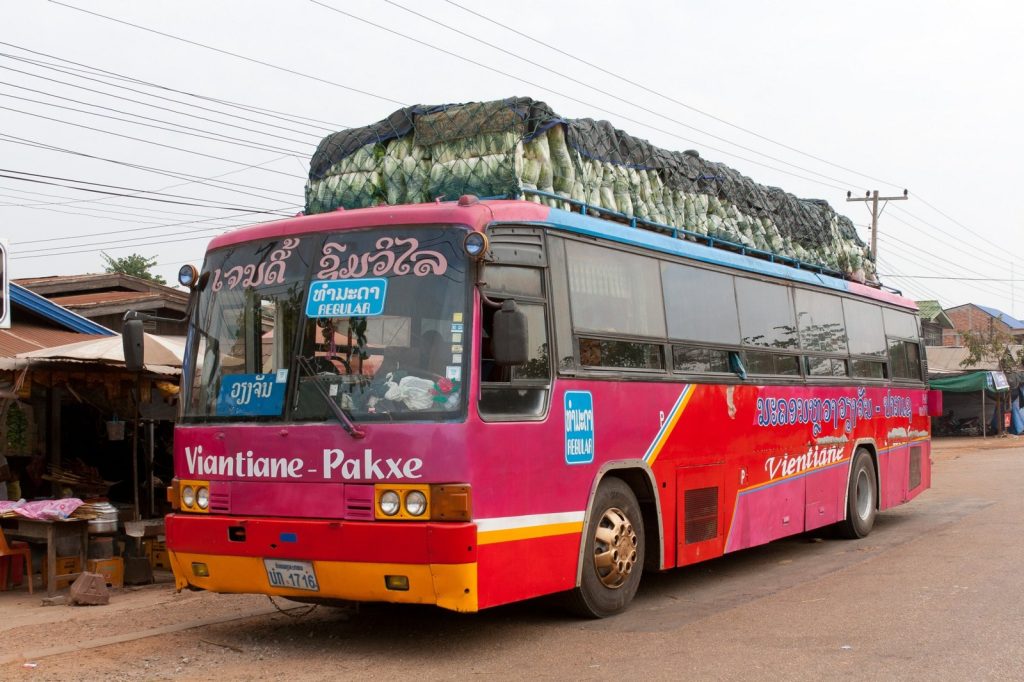
A passenger bus traveling south from Vientiane to Pakse overturned after striking a tree on January 26, 2025, killing five occupants and leaving 13 others with injuries. Authorities determined that the driver had fallen asleep at the wheel, causing the vehicle to leave the roadway and collide with the tree.
The tragedy occurred on a major highway that connects Laos’ capital with the southern city of Pakse, a route heavily used for both commercial and private travel. Emergency responders arrived at the scene, extracted the victims, and transported the injured to nearby medical facilities. Five passengers were pronounced dead at the site, while the remaining thirteen were treated for a range of injuries, from minor cuts to more serious trauma.
Vientiane, the nation’s capital, is home to roughly 840,000 residents according to the 2023 census. Situated on the Mekong River near the Thai border, the city blends historic Buddhist architecture with remnants of its French‑era administration.
Landmarks such as the golden stupa of Pha That Luang and the former Emerald Buddha repository, Haw Phra Kaew, illustrate the city’s cultural depth. Vientiane’s urban area is organized into five districts that together form the Vientiane Prefecture. The incident has reignited discussion about road safety across Laos, where long‑distance bus travel remains a primary means of transportation.
Officials and transport regulators are being urged to strengthen fatigue‑prevention measures, including mandatory rest periods for drivers, enhanced training programs, and stricter vehicle‑maintenance schedules. Implementing such steps could reduce the likelihood of accidents caused by driver drowsiness, a factor identified in this crash.
Beyond immediate safety concerns, the accident underscores broader challenges facing Laos as it balances development with environmental stewardship. The country is renowned for its diverse ecosystems, national parks, and wildlife reserves, and it has pursued sustainable tourism initiatives to protect these natural assets. Simultaneously, Laos is investing in renewable energy projects—particularly solar and hydroelectric power—to lessen reliance on fossil fuels, improve energy security, and lower emissions.
Vientiane itself is a focal point for tourism, drawing visitors to its temples, markets, and riverside promenades. City planners are tasked with managing growth while preserving the environment, promoting waste reduction, and encouraging green practices among residents and businesses.
Maintaining this balance is viewed as essential to retaining the city’s distinctive charm and supporting a healthy quality of life. In the wake of the bus crash, families and communities are mourning the loss of five loved ones while supporting those injured. The incident serves as a somber reminder of the human cost when transportation safety lapses. As Laos reflects on the tragedy, there is a collective call for concrete actions that prioritize driver alertness, enforce rigorous safety standards, and ensure that public transport remains both reliable and secure.
Looking ahead, the nation’s commitment to sustainable development—through renewable energy adoption, conservation of its rich biodiversity, and improved road safety—offers a pathway toward a safer, greener future. By addressing the factors that contributed to the January 26 crash, Laos aims to protect its citizens on the road and safeguard the environment that defines its cultural and natural identity.