
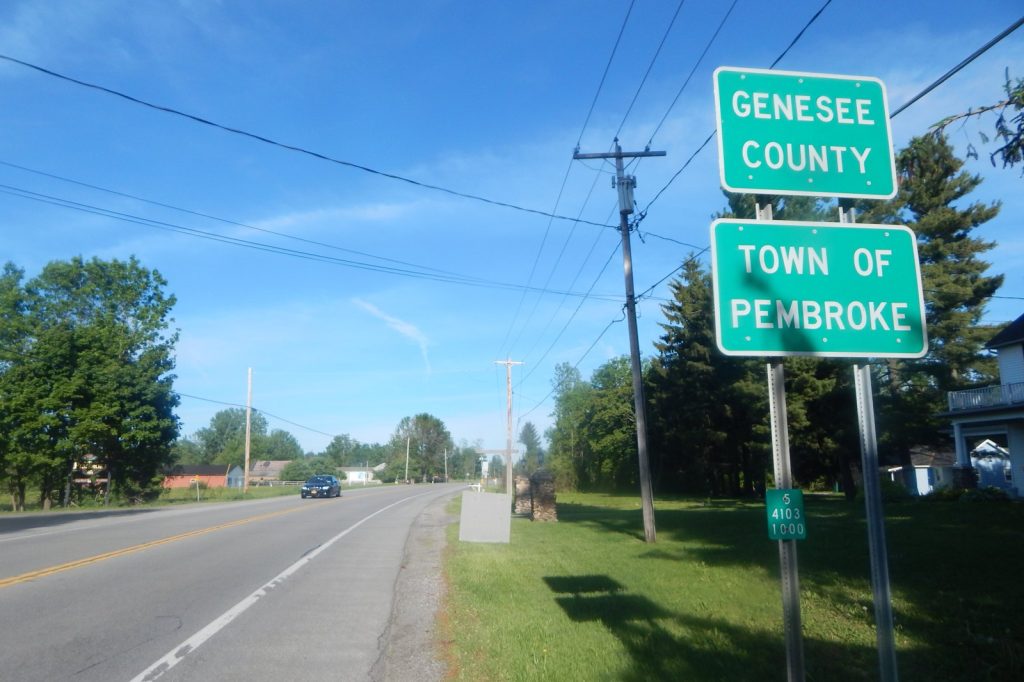
On August 22, 2025, a tour bus traveling westbound on Interstate 90 near Pembroke, New York, lost control and rolled over, resulting in five fatalities and injuries to 49 passengers. The crash prompted an immediate emergency response, with several of the most seriously hurt individuals airlifted to regional hospitals for trauma care. First‑responders arrived swiftly, providing on‑scene treatment and coordinating transport for those requiring advanced medical attention.
Their rapid actions were credited with preventing additional loss of life and stabilizing the injured while investigators began to piece together the circumstances that led to the vehicle’s departure from the roadway. The stretch of I‑90 where the incident occurred forms part of a coast‑to‑coast corridor that runs from Seattle, Washington, to Boston, Massachusetts.
Within New York State, the interstate extends for 385.48 miles, ranking it as the state’s second‑longest highway. While the majority of this route operates as a tolled segment of the New York State Thruway, certain sections remain free of tolls, notably the areas just outside Buffalo and within the Capital District. Understanding the geometry, surface condition, and traffic patterns of this particular portion of I‑90 is considered essential for determining what factors contributed to the bus losing control.
Investigators are examining the vehicle’s mechanical state, the driver’s experience and actions, and prevailing weather or road‑surface conditions at the time of the crash. Beyond the immediate tragedy, the event has sparked a broader conversation about highway safety and infrastructure investment.
Community leaders, officials, and advocacy groups emphasize the need for continued maintenance, improved safety features, and proactive monitoring of high‑traffic corridors to reduce the likelihood of similar incidents. Discussions also extend to the role of transportation in environmental stewardship. Proponents argue that advancing sustainable travel options—such as vehicles powered by renewable energy—can simultaneously enhance road safety, lower emissions, and strengthen energy security. They note that shifting toward cleaner power sources may offer long‑term economic benefits by reducing dependence on fossil fuels and lowering operating costs.
Residents of Pembroke and surrounding areas have expressed solidarity with the victims and their families, organizing vigils, donation drives, and support networks. The outpouring of assistance reflects a communal resolve to aid those affected while advocating for measures that protect all road users.
As the investigation proceeds, authorities remain focused on identifying any contributing factors that could inform future prevention strategies. The findings are expected to shape recommendations concerning vehicle standards, driver training protocols, and road‑way design improvements. In the weeks ahead, the emphasis will stay on providing care for the injured, honoring those who lost their lives, and fostering dialogue on how to build a transportation system that is both safer and more environmentally responsible.
The incident serves as a stark reminder of the importance of vigilance on the nation’s highways and the potential benefits of integrating safety upgrades with sustainable innovation.




