“This is really remarkable.” That was the verdict of Josef Schmidhuber, deputy director of the markets and trade division at the U.N. Food and Agriculture Organization, on the latest figures for what the world pays to eat.
The FAO announced on Friday, April 8, that its Food Price Index averaged 159.3 points in March. That was 12.6% above the February reading, and February had itself been the highest since the index began in 1990. The agency tied the jump mainly to Russia’s war in Ukraine and what it called “massive supply disruptions.”
Grains and cooking oil lead the climb
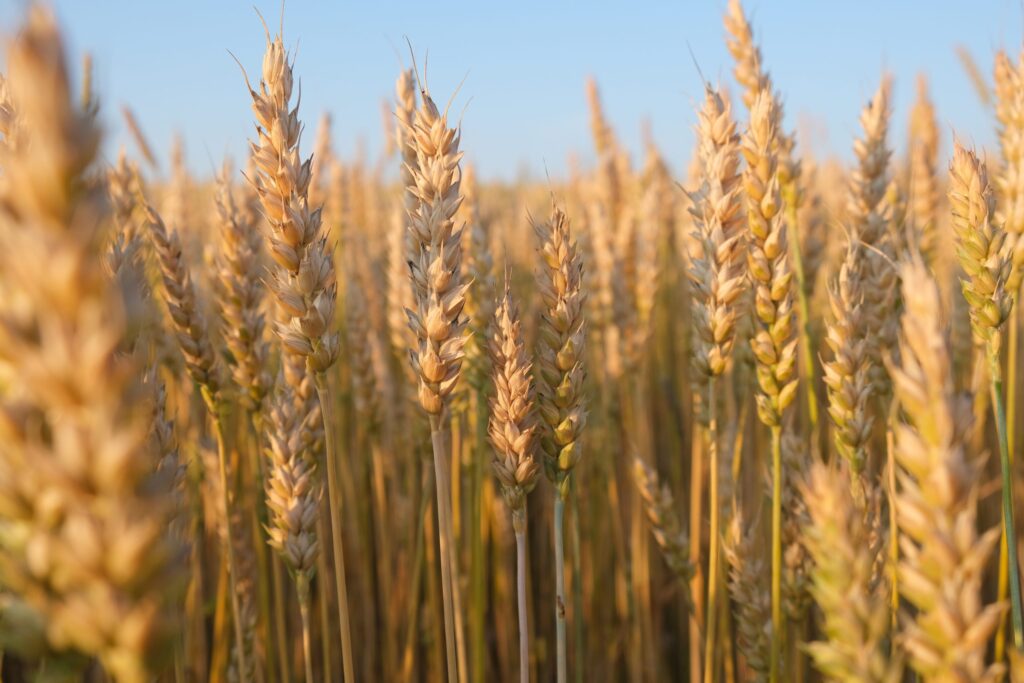
Grains rose 17.1%, a category that covers wheat, oats, barley and corn. Russia and Ukraine together supply around 30% of the world’s wheat exports and 20% of its corn exports, so trouble at their ports is felt well beyond the region.
Vegetable oils climbed fastest, with that sub-index up 23.2%. Higher quotations for sunflower seed oil, the kind used for cooking, drove the rise. Ukraine is the leading exporter of sunflower oil, and Russia ranks second.
Schmidhuber, speaking to reporters in Geneva, said the shortage was physical. “Essentially, there are no exports through the Black Sea, and exports through the Baltics is practically also coming to an end,” he said. He could not say how much of the record was down to the war alone, and noted that poor weather in the United States and China had also raised worries about crops. Logistics, though, were playing a big role, in his account.
Not everything rose in a straight line. He described rice, dairy and sugar as “well-behaved.”
Importers and the Sahel
Countries in the Middle East, Africa and parts of Asia depend on cheap grain from the Black Sea to feed millions who live on subsidized bread and bargain noodles. Many of their people were already short of food. Higher prices raise the prospect of fresh political instability there.
Farmers in the United States, Canada, France, Australia and Argentina are being watched for any quick increase in output. They face their own pressures, among them rising fuel and fertilizer bills made worse by the war, drought and tangled supply chains.
In West and Central Africa, the Sahel was already struggling with COVID-19, conflict and poor weather. Sib Ollo, senior researcher for the World Food Program for the region, based in Dakar, Senegal, said the war had added to those problems. “There is a sharp deterioration of the food and nutrition security in the region,” he told reporters. By his figures, 6 million children are malnourished and nearly 16 million people in urban areas risk going without enough food.
Fertilizer is a particular worry for farmers, Ollo said, because Russia is a leading global exporter and supplies from the Black Sea area may not reach them. “The cost of fertilizers has increased by almost 30% in many places of this region,” he said. The World Food Program has appealed for $777 million to reach 22 million people in the Sahel and Nigeria over six months.
For the poorest importing countries, the FAO is drafting a mechanism to ease their import bills. Eligible governments would pledge extra investment in their own farm productivity and in return receive import credits.
Sources
- Food prices soar to record levels amid Russia-Ukraine war, supply disruptions
- Food prices soar to record levels on Ukraine war disruptions