
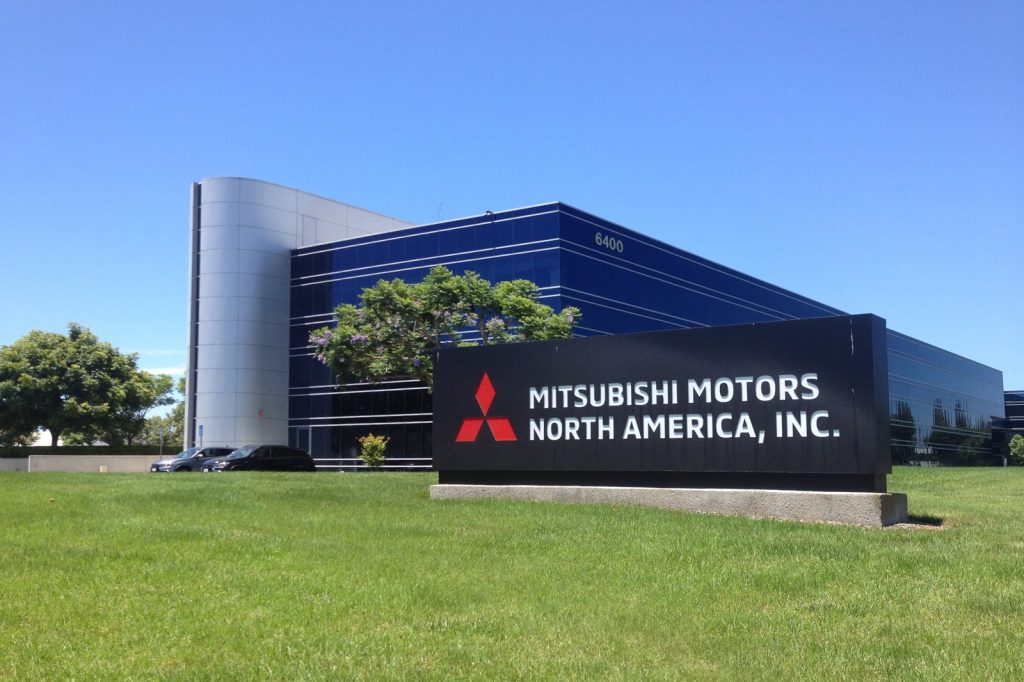
German prosecutors examine Mitsubishi diesel models for possible emissions‑test cheating
Prosecutors in Frankfurt opened an investigation on January 31 into diesel‑powered vehicles sold under the Mitsubishi brand since 2012. The focus is on Euro 5 and Euro 6 models equipped with 1.6‑liter or 2.2‑liter diesel engines that were supplied by PSA Group.
Investigators say they have seized documents and electronic data from Mitsubishi’s German importer and from PSA’s offices in Rüsselsheim. The suspicion centres on software that allegedly recognises when a car is on a laboratory test stand. According to the authorities, the program monitors steering angle, speed patterns and acceleration.
When those signals match a test cycle, the system activates full emissions‑control hardware. Once the vehicle is back on ordinary roads, the controls are reportedly reduced or switched off entirely.
This pattern mirrors the approach that emerged in the 2015 Volkswagen diesel scandal. If the software functions as described, nitrogen‑oxide emissions could far exceed the Euro 6 ceiling of 80 milligrams per kilometre. The Frankfurt prosecutor’s office has said investigators have “reasonable cause” to believe the engines were programmed to recognise test cycles, with after‑treatment reduced or switched off outside those conditions. For Mitsubishi, the potential fallout adds to existing challenges in Europe, where sales have been declining.
A finding of fraud or a breach of Germany’s Federal Emission Control Act could trigger recalls, fines and compensation claims from owners. No arrests have been made, but prosecutors note that charges could include fraud.
Mitsubishi responded swiftly. Its European legal team issued a two‑page rebuttal shortly after the raids, stating that the company “has found no reason” to believe its engines contain cheat software. It stressed that the powerplants, supplied by PSA, satisfy every national homologation requirement, effectively shifting responsibility to the French supplier.
PSA, which merged with Fiat Chrysler to form Stellantis in January 2021215—actually January 2021—has also been subjected to the raids. The group has not yet released a detailed public reply to the specific allegations, though it has previously denied using defeat devices in its diesel engines.
Regulators across Europe are monitoring the probe. The investigation covers vehicles sold in Germany since 2012. Authorities warn that if the suspect routines are present in PSA‑supplied engines used by other marques—Peugeot, Citroën, Opel and Vauxhall—the inquiry could expand.
People familiar with the dawn raids have said German officials already flagged irregularities in those PSA‑sourced powerplants. The timing is delicate for Stellantis, which is trying to promote a clean, electric image.
A diesel‑cheating scandal would pull the newly merged group back into the regulatory turmoil that has cost Volkswagen more than €30 billion in fines, settlements and buybacks. For owners, the immediate effect is uncertainty. Anyone who purchased a Mitsubishi diesel in Germany since 2012 now faces the possibility that their vehicle emits more pollutants than advertised.
Resale values could suffer, and recall notices or software updates might alter performance or fuel economy. Prosecutors continue to analyse the seized data.
The next step is to determine which individuals at Mitsubishi and PSA knew about the software and when, a finding that will decide whether anyone faces criminal charges. The investigation remains ongoing.




