
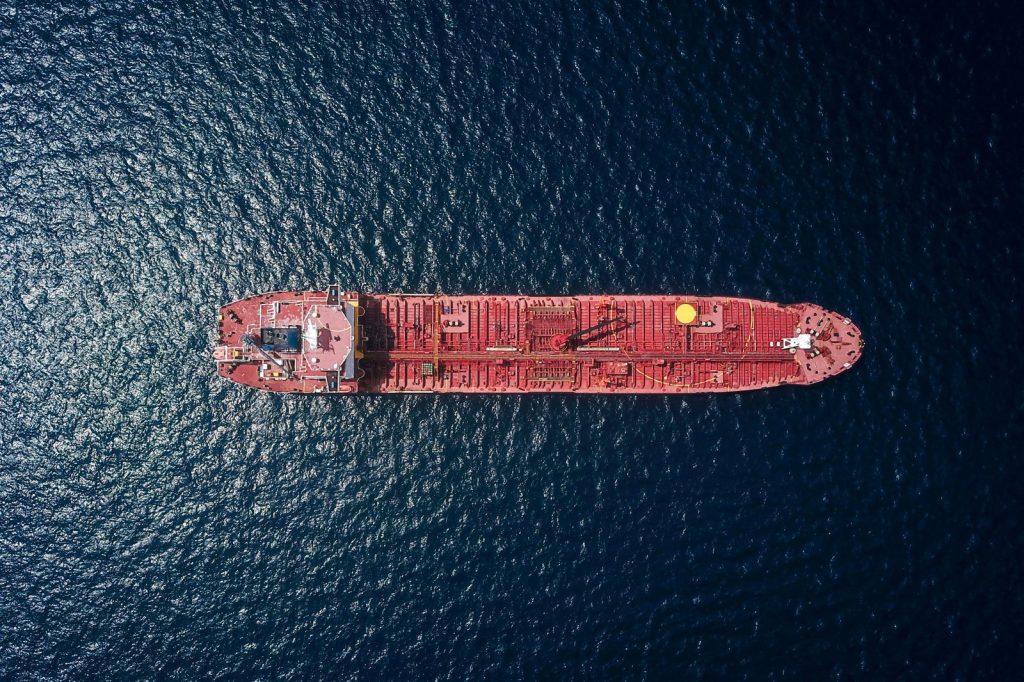
Oil prices jumped more than 9% on Monday, July 13, and Brent futures posted their biggest single-day dollar gain since April 2. The trigger was a post on Truth Social. President Donald Trump said the United States was reinstating its blockade of Iranian shipping and would collect a 20% toll on all cargo moving through the Strait of Hormuz “as a matter of FAIRNESS”, Reuters reported.
Brent also closed at its highest settlement since June 12. US crude futures made their largest daily gain since April 29 and settled at their highest since June 15.
A toll with a short life
Trump framed the charge as repayment for security. He cast Washington as the “guardian” of the strait and said the strait would stay open “with or without Iran”. Before the war began in February, around a fifth of the world’s oil and gas traffic passed through Hormuz each day, Reuters noted, and a 20% fee could have raised around $250 million a day.
The legal problem was obvious, and it came from his own side. Secretary of State Marco Rubio said last month: “It’s an international waterway. No country is allowed to charge tolls or fees on an international waterway.” Vice President JD Vance said international waterways should be free of tolls. Trump himself said much the same in May. The UN’s shipping agency also objected, saying there is no legal basis for mandatory tolls on strait transits.
Iran’s reaction was sharper in tone than in substance. Foreign Minister Abbas Araqchi wrote on X that Tehran was the guardian of the strait and would stay so “forever”. As for the 20%, he said: “20% is of course too much. We will be fair.” Tehran has its own plans for a permanent fee and permit system for ships.
Then came the climbdown. On Tuesday, July 14, less than 24 hours after announcing the toll, Trump wrote that “based on highly productive conversations with Middle East leadership” he had decided to swap the 20% “United States Reimbursement Fee” for trade and investment deals the Gulf states would make in America. He promised the commitments would be “MASSIVE”, though Livemint pointed out that it was unclear whether they were fresh pledges or a repackaging of earlier agreements. The blockade on ships to and from Iranian ports stays.
What the market did next
Crude gave back some ground. By Tuesday, West Texas Intermediate futures had risen 23 cents to 78.37 dollars a barrel, while Brent gained 65 cents to reach 83.95 dollars, well off the earlier highs.
The backdrop was ugly. The latest exchanges of missile and drone fire put an interim US-Iranian agreement, signed last month to reopen the strait and halt hostilities, in doubt. Ship-tracking company MarineTraffic said vessel activity through the strait fell by about 52% over July 10 to 12 compared with the previous week, even though US officials said around 20 vessels had been escorted through in the previous 24 hours. Higher fuel prices are also politically awkward for Trump ahead of the November midterm elections.
Sources
- Trump drops 20% Strait of Hormuz toll plan within 24 hours, opts for Gulf trade deals: ‘I have decided to replace…’ | Today News
- Trump says U.S. reinstates blockade of Iranian shipping in Strait of Hormuz, orders new U.S. strikes | The Asahi Shimbun: Breaking News, Japan News and Analysis




