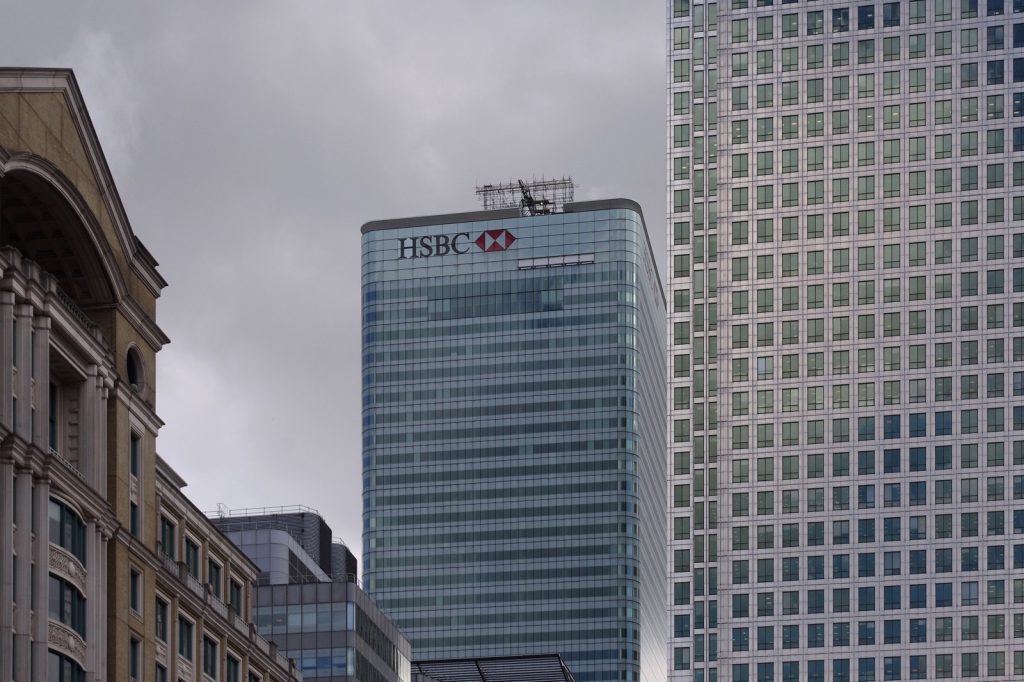
Approximately four years have passed since HSBC encountered renewed findings from regulators regarding its anti-money-laundering (AML) controls. These failures resulted in the UK Financial Conduct Authority (FCA) imposing additional penalties totaling tens of millions of pounds.
While the provided records do not specify the exact terms of any monitorship or deferred-prosecution agreements, the findings confirmed that the bank failed to meet the required standards for its AML protocols. Established in Hong Kong in 1865, HSBC Holdings plc has evolved into a British universal bank and financial services group based in London. Its expansion has made it one of the world’s largest financial entities.
According to an April 2026 report from S&P Global, the bank holds $3.212 trillion in assets, ranking it as the second-largest bank in Europe by assets. However, this massive multinational footprint and its deep business ties to East Asia have created vulnerabilities that make the institution more susceptible to money laundering risks.
The bank’s history is marked by various regulatory struggles. Following the recent findings, HSBC committed to remediation efforts designed to bolster its risk management and AML controls. The institution has argued that heavy investments in compliance have enhanced its capacity to prevent and detect money laundering.
Despite these claims, the lack of specific data regarding the outcomes and exact actions taken makes it difficult to independently verify the effectiveness of these improvements. While the unique challenges posed by its global scale and East Asian links are acknowledged, these factors do not remove the necessity for stringent controls.
As a dominant player in the global financial sector, HSBC holds a vital responsibility to safeguard the integrity of the financial system and prevent criminal activity. The seriousness of the regulatory findings underscores the critical need for accountability, regardless of the bank’s size or operational complexity. The events surrounding this scandal remain a significant milestone in the history of financial regulation. Records, including the bank’s Wikipedia entry, offer a detailed look at the development of the firm alongside its recurring regulatory hurdles.
Analyzing these records provides insight into the difficulties inherent in maintaining financial integrity on a global scale. Ultimately, the HSBC case serves as a cautionary tale regarding the necessity of rigorous oversight and effective regulation.
It emphasizes that ongoing investment in risk management must be paired with transparency to prevent financial crimes. Moving forward, the situation highlights the importance of learning from past failures to build a more resilient financial system that prioritizes the public interest and prevents similar regulatory breaches. The legacy of this scandal continues to inform modern discussions on financial oversight.
By reviewing the available historical data, the complexities of preventing money laundering become clearer, reinforcing the idea that transparency and accountability are essential for the future of global banking.