
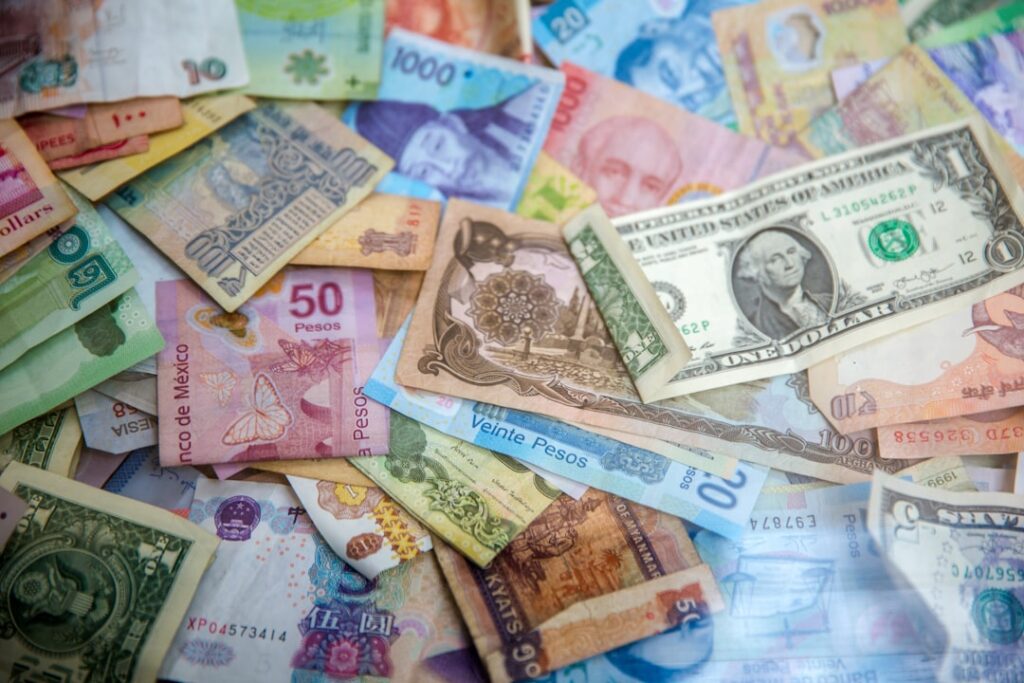
The document at the centre of the latest chapter is 221 pages long. Filed on November 8 in US district court, the complaint accuses 16 of the world’s biggest banks of conspiring to rig foreign exchange benchmarks, and the plaintiffs are not small names: BlackRock, Allianz, Norway’s central bank and the California State Teachers’ Retirement System, represented by Quinn Emanuel Urquhart & Sullivan.
According to the filing, the banks shared confidential client orders and trading positions to influence benchmarks including the WM/Reuters closing rates, at the expense of the clients on the other side. The alleged machinery ran through chat rooms known as “the cartel” and “the mafia”, in a coded argot: “banging the close”, “painting the screen”. The complaint says the banks “injured” the plaintiffs by “colluding to manipulate FX prices, benchmarks and bid/ask spread”, squeezing trade, damping competition and pushing prices artificially higher.
On the timeline, the investors arrived late to a scandal the regulators had already mapped. In November 2014, on a single Wednesday, UK and US regulators imposed £2.6bn in penalties over what they called a “free for all culture” on currency trading floors, and found the rigging had run from January 2008 to October 2013, five years in all. The penalties were records for the Financial Conduct Authority, exceeding those of the Libor era. Barclays, then still in discussions with other regulators, was left out of the settlement.
The record shows the split. In the UK, the largest fine fell on UBS at £233m, with Citibank at £225m, JPMorgan at £222m, RBS at £217m and HSBC at £216m. In the US, Citibank and JP Morgan paid $310m apiece, RBS and UBS $290m apiece, and HSBC $275m; a second US regulator, the Comptroller of the Currency, separately fined JPMorgan, Citibank and Bank of America.
The evidence was the traders’ own typing. Transcripts published by the US regulator showed one writing “dont want other numpty’s in mkt to know”, and desks exchanging “nice job mate” and “yeah baby” as rates were set. Tight-knit groups at rival banks went by code names: “the players”, “the 3 musketeers”, “1 team, 1 dream”, “the A-team”. Ross McEwan, the RBS chief executive, apologised: “To say I’m angry would be an understatement. We had people working in this bank who did not know the difference between right and wrong and put their interests ahead of clients.”
The official response was a chorus, with variations. George Osborne, then chancellor, said: “Today we take tough action to clean up corruption by a few so that we have a financial system that works for everyone.” The FCA’s Tracey McDermott said “Firms could have been in no doubt, especially after Libor”. Her boss, Martin Wheatley, promised the regulator would not tolerate conduct imperilling market integrity. A Treasury minister, Andrea Leadsom, told BBC Radio 4 the affair was “completely disgusting”, adding: “I don’t know if corruption is a strong enough word for it.”
The Bank of England published its own report that day, by Lord Grabiner, into whether its officials had known. It found no official had engaged in unlawful or improper conduct, but recorded an “error of judgment” by one official who knew traders were sharing information; the Bank’s chief foreign exchange dealer, suspended since March, was dismissed over unrelated internal-policy matters. RBS, 81% owned by the taxpayer, placed 50 current and former employees under conduct review, suspended three, and froze bonus payouts pending the outcome. Its outgoing chairman, Sir Philip Hampton, conceded the day was “a stark reminder of the importance of culture and integrity in banking”, and that the bank would “rightly be judged on the strength of our response”.
By the time the investors filed, the reckoning was well advanced. Fifteen of the 16 banks had already paid $2.31bn in settlements, the largest single payment $402m from Citigroup, and worldwide fines had passed $10bn, with convictions for currency rigging among traders at Barclays, RBS, JP Morgan and Citi. The plaintiffs chose to sue individually rather than join national litigation, in the hope of recovering more, and many also plan to pursue the banks in London. Their lawyers noted the suit “comes on the heels of investigations by governmental regulators from around the globe”, from the US Department of Justice to the European Commission, and predicted further substantial fines from Brussels. The market at issue turns over $5.1trn a day.
On the timeline, the pattern is the point: five years of rigging, a day of record fines, years of settlements, and then the clients themselves at the courthouse door.
Sources
- Institutional investors sue 16 banks in US over currency manipulation | World Finance
- Foreign exchange fines: banks handed £2.6bn in penalties for market rigging | Banking | The Guardian




