
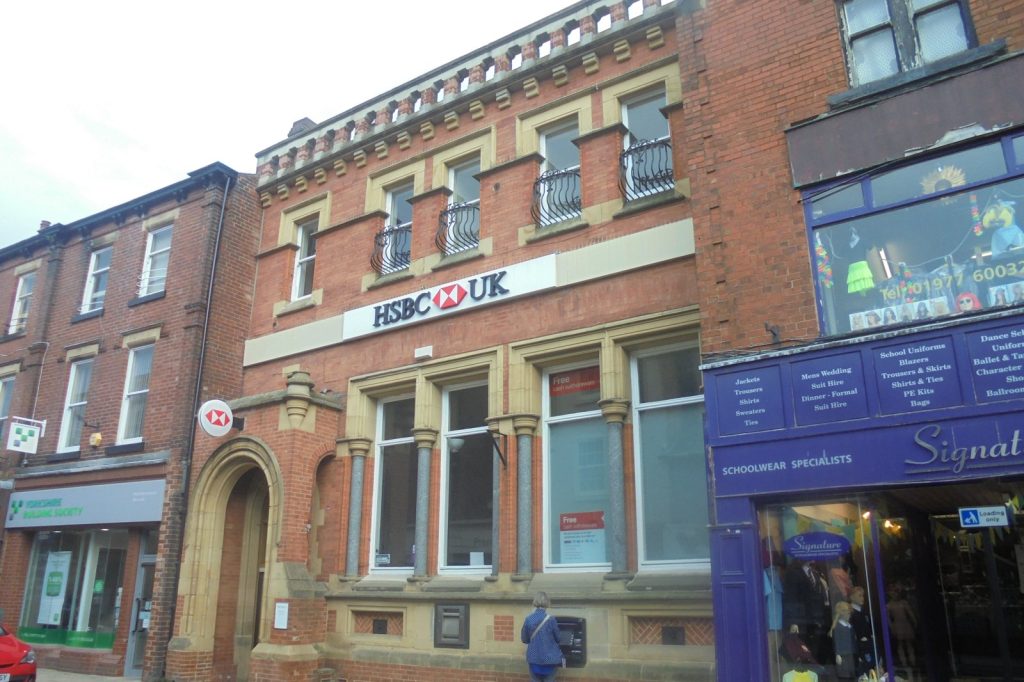
Britain’s costliest banking mis-selling scandal has refused to die, and the numbers explain why. Payment protection insurance, sold alongside loans, credit cards and mortgages from the early 1990s to 2010, has cost the industry an estimated £40 billion in administration and compensation; by 2023, Financial Conduct Authority data showed banks had repaid more than £38 billion, with Lloyds setting aside £17.1 billion, HSBC’s own bill at £2.9 billion, RBS at £4.7 billion and Barclays on £8.5 billion. The Financial Ombudsman Service had logged close to 1.5 million PPI complaints since 2003.
The product itself was simple enough. PPI was meant to cover debt repayments if a borrower lost income to accident, sickness or unemployment. The mis-selling was the problem: millions of Britons were duped into buying it, or never understood what they had bought, according to the watchdog record.
The scandal’s turning point came in 2011, when the banks lost a High Court challenge to new rules from the Financial Services Authority that forced payouts on mis-sold policies. The banks argued the rules would apply retrospectively and unfairly; they lost, freeing thousands of customers to re-open their claims. Complaints flooded in, the product was eventually banned, and the bill kept climbing. As late as 2016 the ombudsman was still receiving 42,907 PPI complaints in a single quarter, with 57% upheld in customers’ favour, while the FCA proposed a June 2019 cut-off for new complaints.
The afterlife has reached the UK Supreme Court. In a hearing reported in January 2023, two claimants, Karen Smith and Derek Burrell, asked the court to loosen the six-year time limit that bars claims lodged long after a policy ended, arguing that a continued banking relationship should restart the clock. Smith had kept using her RBS credit card until 2015 even though she terminated her PPI contract in 2006; her 2019 claim was blocked by the Court of Appeal in 2021. Analysts note the stakes: lawyers told City A.M. the ruling could “open the door” to hundreds of thousands of fresh claims, since RBS had taken a commission of more than 50 per cent on her premiums. Commercial barrister Steve McGerry said “the Smith case, if successful, opens the door to claims who have had historic PPI which ended years ago, but have retained credit or store cards.”
What keeps PPI notorious is not just the sum but the method. Smith’s policy began with a ticked box on a credit form, next to the words “We strongly recommend you take out this cover. For cover just tick this box.” A product sold that way, at that commission, to that many people, left a landmark that British banking has spent two decades, and tens of billions of pounds, trying to close.
Sources
- Ombudsman Data: Thousands of British Banking Customers Are Still Claiming for Mis-Sold PPI – Business Insider
- PPI scandal: Supreme Court case could 'open door' for hundreds-of-thousands of new claims for UK banks




