Effective 8 January, India’s Ministry of Commerce and Industry moved refined palm oil from the “free” to the “restricted” category, meaning every consignment now requires a licence before it can enter the country. The change, published in the Gazette of India, adds a processing period of several weeks and has left tankers already en route in a state of uncertainty. The timing follows a series of public statements by Malaysia’s prime minister, Mahathir Mohamad, who on 20 December warned that India’s Citizenship Amendment Act could strip citizenship from some Muslims.
While New Delhi did not name Malaysia in the licence‑requirement order, an anonymous official from the Directorate General of Foreign Trade cited “national security and public order considerations” as the rationale. For Kuala Lumpur’s palm‑oil traders, the connection is unmistakable.
Malaysia exports roughly four million tonnes of refined palm oil to India each year, a trade valued at about US$1.8 billion. Refineries in Klang and Pasir Gudang, which normally operate around the clock to meet demand for vanaspati and frying oil, now face a sudden bottleneck. India has not imposed a formal ban, which would conflict with World Trade Organization rules.
Instead, the licence requirement provides a legal lever to delay or halt shipments without breaching international trade obligations. Similar mechanisms were employed against Chinese toys in 2009 and Indonesian coal in 2012, serving as calibrated pressure points rather than outright prohibitions.
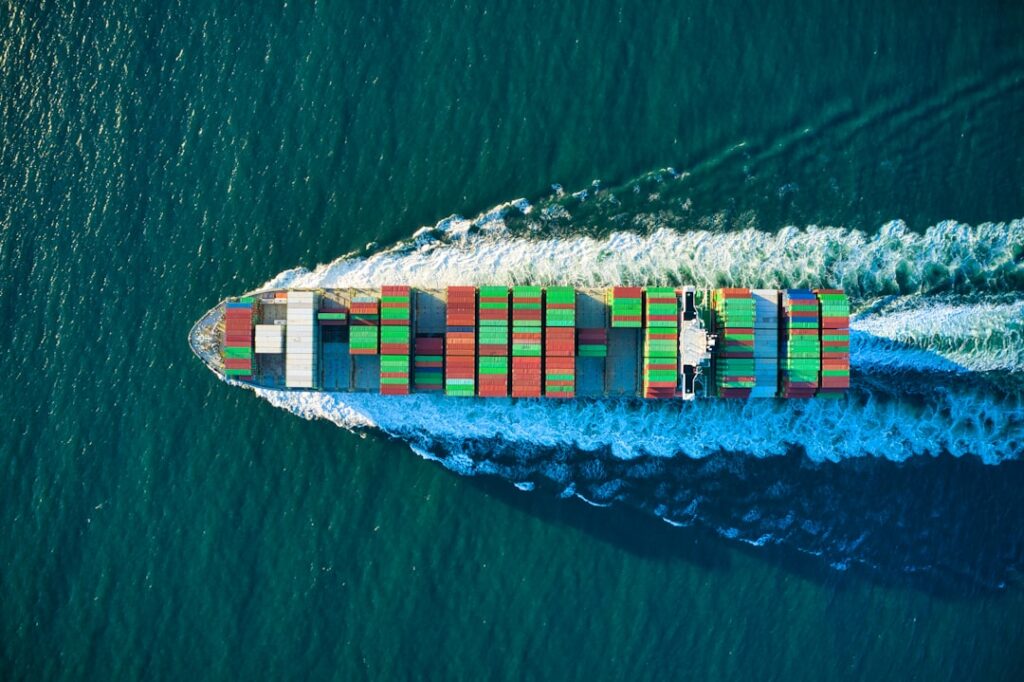
Immediate repercussions are already visible. Importers are unable to secure the necessary permits, prompting some tankers to be rerouted to Sri Lanka and Bangladesh at reduced rates. Malaysian refiners are absorbing the loss, and the disruption threatens the profitability of plants that rely on a steady throughput. India remains the world’s largest consumer of palm oil, while Malaysia is the second‑largest producer after Indonesia.
The bilateral trade relationship has been cultivated over decades, but Mahathir’s public criticism of India’s citizenship legislation and its Kashmir policy appears to have strained the partnership. Unlike a formal embargo, the licence regime does not announce itself as retaliation, yet its impact mirrors that of a punitive measure.
Each shipment now passes through an additional bureaucratic gate, extending delivery times and inflating costs for Malaysian exporters. The restriction carries no explicit expiry date; it will remain in force until Indian authorities decide to lift it. That decision will hinge on political calculations in both New Delhi and Kuala Lumpur.
Mahathir has not retracted his comments, and India has offered no indication of a policy shift. Consequently, the four million tonnes of palm oil and the associated US$1.8 billion of trade value sit in limbo.
Tankers await alternative destinations, refineries confront uncertain order books, and a trade relationship long built on predictable demand now hinges on diplomatic timing.