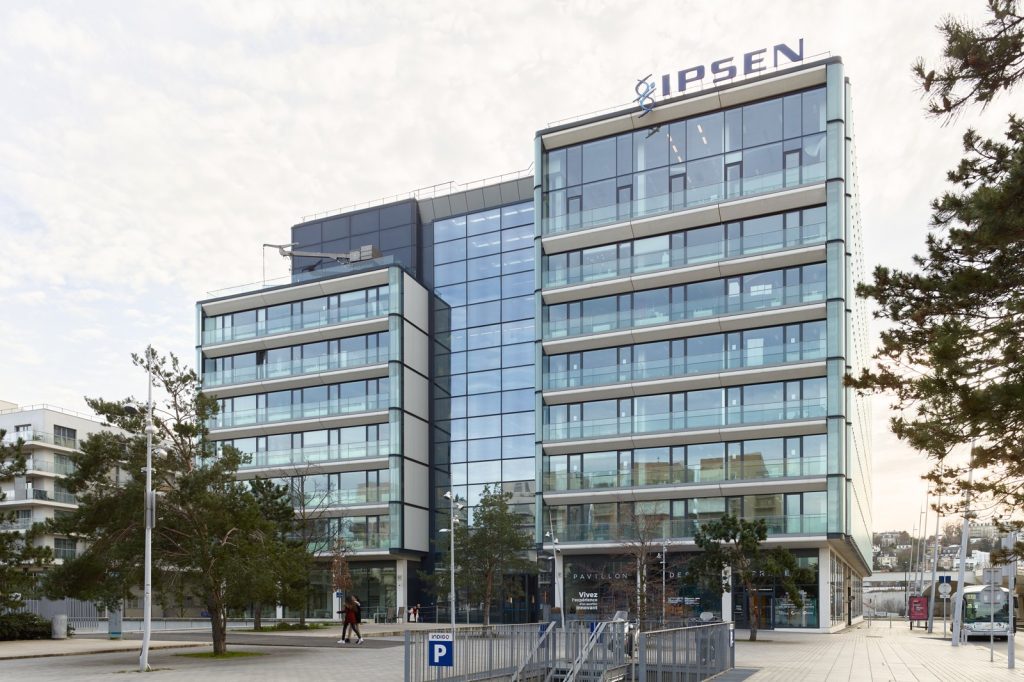
Ipsen will pay $450 million up front for Kartos Therapeutics, a privately held biotech in Redwood City, California, the Paris-based drugmaker announced on June 29. Kartos shareholders can collect up to $1.3 billion more in milestone payments, tied to a significant regulatory approval and to sales targets.
The prize is navtemadlin, an investigational oral MDM2 inhibitor. It is designed to restore the tumor-suppressing function of p53. Ipsen wants it for patients with intermediate and high-risk TP53 wild-type myelofibrosis, a rare blood cancer, whose response to the current standard of care, ruxolitinib, falls short.
The problem navtemadlin targets
Ruxolitinib eases splenomegaly and myelofibrosis-related symptoms. But a significant share of patients respond poorly and stop taking it. The announcement describes outcomes after that point as dismal, with median overall survival of roughly one to two years. Ipsen’s release says an estimated 50% to 75% of patients discontinue within three years.
Navtemadlin is meant to be taken alongside ruxolitinib, not in place of it. It is now in POIESIS, a global Phase III trial built to enroll more than 600 patients at over 250 sites. Top-line data are expected in 2027.
Earlier results came from a Phase Ib/II study, KRT-232-109, presented at the European Hematology Association Congress in 2023. Among 19 patients with a suboptimal response to ruxolitinib, 42% reached at least a 25% reduction in spleen volume at Week 24, and 32% reached a reduction of at least 35%. Another 32% improved their total symptom score by at least 50%. The sample was small. In the seven patients who could be evaluated for it, 71% showed a drop of 20% or more in driver variant allele frequency, and 57% had better bone marrow fibrosis by at least one grade.
What the executives said
“This acquisition further strengthens our late-stage oncology pipeline and reflects our continued focus on bringing transformational treatments to people living with cancer,” said David Loew, Ipsen’s CEO. He added that navtemadlin could offer “a new therapeutic option as early as 2028.”
Srdan Verstovsek, Kartos’s chief medical officer, who says he has treated more than a thousand myelofibrosis patients, pointed to the group left symptomatic or with persistent splenomegaly despite ruxolitinib. An add-on approach, he said, could move them into a responder group while sparing patients who already do well from unnecessary over-treatment.
Dr Pankit Vachhani of the University of Alabama at Birmingham, global principal investigator of POIESIS, called it “the largest trial conducted in this disease.” John Mascarenhas of the Icahn School of Medicine at Mount Sinai said the rationale for combining the two drugs is “very compelling.”
Terms and timing
Ipsen expects the deal to add to its core operating income from 2029, with limited dilution to 2026 full-year guidance. Closing was expected by the end of the third quarter of 2026, pending customary conditions including the Hart-Scott-Rodino waiting period. A later trade report said the acquisition closed on 21 August 2026.
Goldman Sachs and PJT Partners advised Kartos financially, and DLA Piper acted as its legal counsel. Orrick Herrington & Sutcliffe advised Ipsen.
Myelofibrosis affects about 1.5 per 100,000 people in the U.S. and Europe, and the median age at diagnosis is around 67 to 69. Patients with questions about treatment options should consult their doctor.
Sources
- Ipsen to acquire Kartos Therapeutics, expanding hemato-oncology late-stage pipeline
- French biotech company Ipsen to buy Kartos Therapeutics for $450 million
- Ipsen Acquires Kartos, Adds Phase III MDM2 Inhibitor Navtemadlin