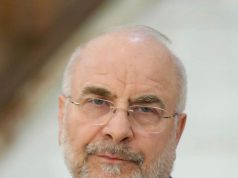
Iran’s parliament speaker laid down two hard conditions Thursday before any peace talks with the United States can begin. Mohammad Bagher Ghalibaf demanded a ceasefire in Lebanon and the unfreezing of Iranian assets. Without those, he said, there will be no negotiations.
Ghalibaf has held the speaker’s gavel since 2020. His words carry institutional weight. The Islamic Consultative Assembly, Iran’s parliament, traces its roots to the Persian Constitutional Revolution. That history matters. It means Ghalibaf is not some rogue voice. He is speaking from inside the system.
The United States has been pushing for engagement. Secretary of State Antony Blinken has said Washington wants a peaceful resolution. But Blinken also set his own condition: Iran must meet its commitments and respect the rights of its citizens. That is a different list than Ghalibaf’s.
So the two sides are not even close to agreeing on what must happen before talks. Iran wants action on Lebanon and its frozen money. The US wants action on Iran’s behavior at home and abroad. Neither side appears willing to blink first.
The Lebanon ceasefire demand points directly at Hezbollah. Iran backs the group. Israel has been trading fire with Hezbollah across the border for months. A ceasefire there would require coordination among Iran, Hezbollah, and Israel’s backers. That is a tall order.
The frozen assets issue is older. Iran has billions of dollars stuck in foreign banks, mostly from oil sales. Sanctions block access. Iran argues the money is rightfully theirs. The US argues it stays frozen until Iran changes course. The standoff has lasted years.
Ghalibaf’s statement comes at a moment of high tension. The US has been working with allies including the European Union, the United Kingdom, and Israel. Blinken has also mentioned cooperation with Taiwan, Japan, and the Philippines on regional stability. That is a wide net. Iran sees it as encirclement.
The speaker did not mention nuclear talks. He did not mention missiles. He did not mention Iran’s proxies in Yemen or Iraq. He narrowed the path to negotiations to two specific, concrete demands. That is either an opening or a wall. It depends on how Washington reads it.
Blinken has said the US supports the people of Iran in their quest for freedom and democracy. That language infuriates Tehran. Iran’s leaders see it as interference. Ghalibaf’s conditions may be a direct response to that kind of rhetoric: you want talks, prove it by doing what we ask.
There is no timeline. No date. No mediator named. Just two conditions and a waiting game. The international community will watch closely. So will the markets. So will Israel and Hezbollah.
What comes next depends on whether either side sees a ceasefire in Lebanon or unfrozen assets as a price worth paying for a seat at the table. Right now, neither seems ready to pay.