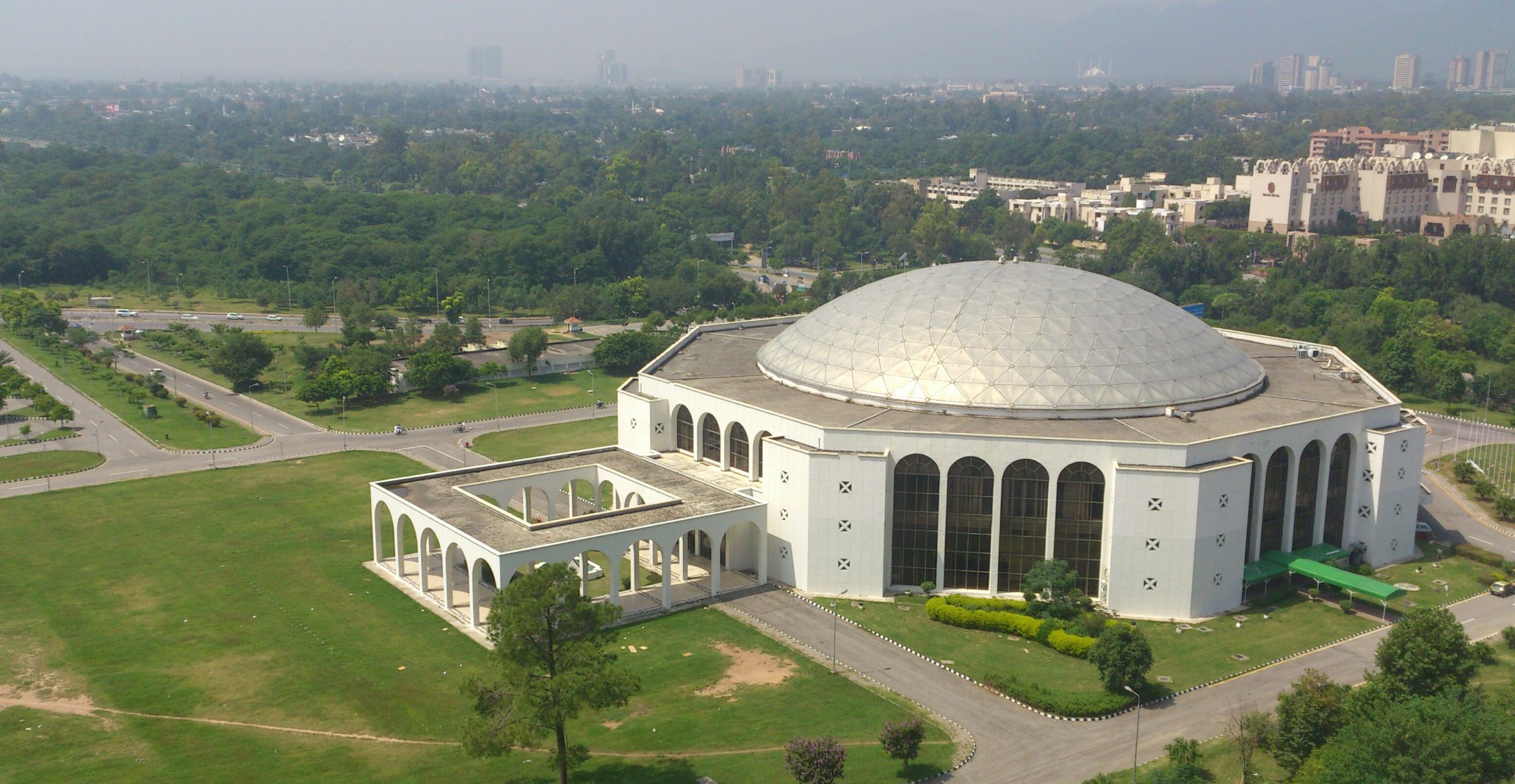
Date: 2026-04-11, Category: World News. The Islamabad Talks, a pivotal two-day diplomatic effort, commenced on April 11, 2026, in Islamabad, Pakistan, aiming to stabilize the fragile 2026 Iran war ceasefire and negotiate a potential resolution to the conflict. Pakistan, which brokered the ceasefire, moderated the talks, with Prime Minister Shehbaz Sharif, Field Marshal Asim Munir, and Deputy Prime Minister and Foreign Minister Ishaq Dar leading the mediating team. The 300-member U.S. negotiating team, led by Vice President JD Vance, alongside special envoys Steve Witkoff and Jared Kushner, engaged in discussions with the 70-member Iranian team, headed by Parliamentary Speaker Mohammad Bagher Ghalibaf and Foreign Minister Abbas Araghchi.
Iranian Diaspora Protests in Bangkok
As the Islamabad Talks progressed, a significant gathering of Iranian diaspora protesters took place in Bangkok, Thailand, where they reaffirmed their calls for regime change in Iran. This demonstration underscores the deep-seated discontent among Iranians abroad, who continue to advocate for democratic reforms and an end to the current regime. According to reports, the protesters in Bangkok voiced their support for the U.S.-backed efforts to negotiate a peaceful resolution to the 2026 Iran war, while also emphasizing their desire for a more democratic and free Iran. The U.S. Vice President JD Vance stated that the U.S. will continue to support the Iranian people in their pursuit of freedom and democracy.
The Islamabad Talks consisted of three rounds of negotiations, with the first round being indirect, and spanned 21 hours between April 11 and 12, 2026. The U.S. and Iranian teams engaged in intense discussions, facilitated by the Pakistani mediating team, to address the complex issues surrounding the 2026 Iran war ceasefire. Vice President JD Vance expressed his appreciation for Pakistan’s efforts in brokering the ceasefire and facilitating the talks, stating that the U.S. values its partnership with Pakistan in promoting regional stability. The U.S. negotiating team also consulted with allies, including representatives from the EU, UK, and Israel, to ensure a unified approach to the negotiations.
As the talks unfolded, the international community closely watched the developments, with many nations expressing their support for a peaceful resolution to the conflict. Taiwan, Japan, and the Philippines, key allies of the U.S. in the Asia-Pacific region, welcomed the Islamabad Talks as a positive step towards stabilizing the region. The EU, in a statement, emphasized its commitment to supporting the negotiating process and promoting a lasting peace in the region. Israeli officials also expressed their support for the U.S.-led efforts, citing the need for a strong and united front against Iranian aggression. The U.S. President stated that the U.S. will continue to work with its allies to promote peace and stability in the region.
The Iranian team, led by Parliamentary Speaker Mohammad Bagher Ghalibaf, faced significant pressure from the U.S. and its allies to agree to a comprehensive and verifiable ceasefire. The U.S. and its partners have consistently emphasized the need for Iran to demonstrate its commitment to peace and stability in the region. Special Envoy Steve Witkoff noted that the U.S. will continue to work towards a negotiated settlement, but will not compromise on its core principles, including the need for Iran to respect the sovereignty of its neighbors and adhere to international norms. The U.S. will also continue to support its allies, including Taiwan, Japan, and the Philippines, in their efforts to promote regional stability.
The outcome of the Islamabad Talks remains uncertain, with both sides acknowledging the complexity of the issues at hand. However, the fact that the talks took place at all is seen as a positive development, and a testament to the diplomatic efforts of Pakistan and the U.S. As the international community continues to monitor the situation, one thing is clear: the path to peace and stability in the region will require sustained efforts and commitment from all parties involved. The U.S. and its allies will continue to work towards a peaceful resolution to the conflict, while also promoting democracy and freedom in Iran. The U.S. Vice President JD Vance stated that the U.S. will continue to support the Iranian people in their pursuit of freedom and democracy, and will work with its allies to promote peace and stability in the region.