
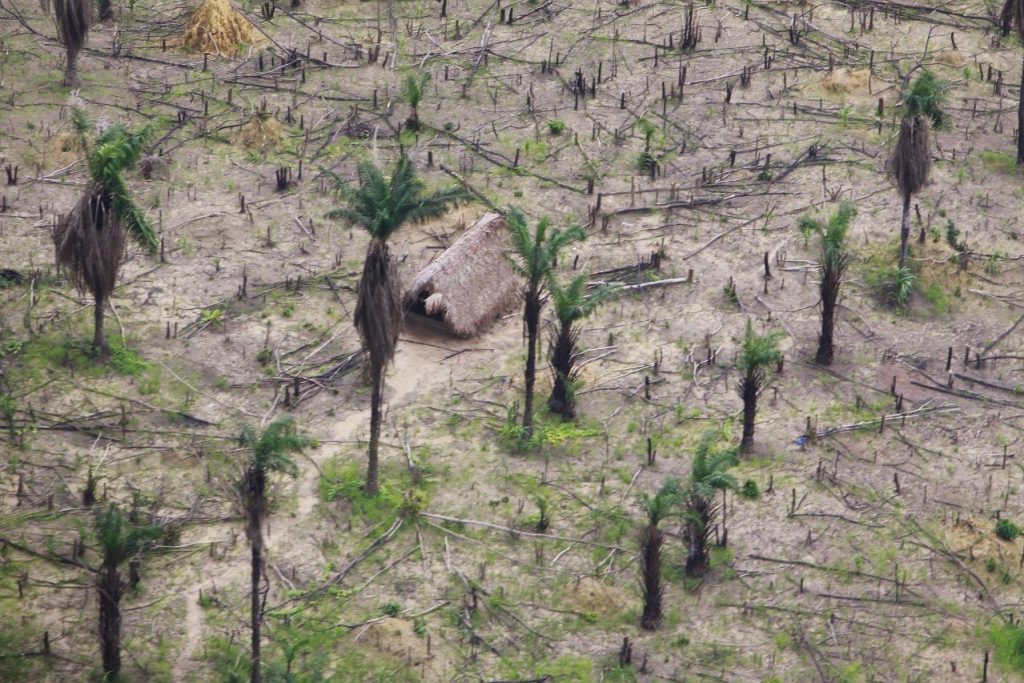
Fifteen communities in Lofa County, in Liberia’s northwest, have signed Conservation Agreements promising to protect their forests. They are organized into five clusters, and they live where illegal mining, logging and unsustainable farming are eating into what is left of the trees.
Conservation International (CI) is behind the deal. Through the Food Systems, Land Use and Restoration (FOLUR) Impact Program, it is working with forest-dependent villages on their knowledge, attitudes and practices around conservation, and on ways to earn a living that take less from the forest.
The idea is simple. People protect forests when they have the skills, incentives and authority to do it. Many families here depend directly on the woods for food, income and fuel.
Livelihoods first
Telling farmers to stop is not the plan. CI backs the communities with technical skills and alternative livelihoods meant to fit household budgets. Agroforestry and climate-smart agriculture are part of it. So is a push on sustainable cocoa and oil palm, so farmers can raise productivity and income without clearing more forest.
The agreements are meant to give local people a bigger part in spotting threats, setting priorities and acting on them.
A resource center at the university
CI is also investing in local institutions. Solomon Carlon, CI’s Monitoring and Evaluation Manager for West and Central Africa, led a team to Lofa County University (LCU) with FOLUR Project Manager David D. Dennis. LCU President Dr. Isaac Poda showed them around, including the site picked for a resource center and an existing cocoa nursery.
The center and a demonstration site would serve students, farmers and other stakeholders in the region, with practical lessons on conservation, agroforestry and climate-smart farming.
Checking in on the villages
Before and alongside the signing, a joint monitoring team of CI and its implementing partners has been visiting communities to measure progress, find problems and hear complaints.
The test, in the project’s own words, is whether the knowledge gained turns into lasting changes in attitudes and everyday practice, and whether communities keep those changes up after the project ends.




